At the turn of the century, declaring a movement “in-house” guaranteed reverence. Today, it commands fewer oohs and aahs—some genuine, while most are polite and calculated. In recent years, following the global democratization of watchmaking knowledge, a wave of new brands has proven that third-party movements can now command four- and five-figure prices without collector pushback.
"In-house" is barely thirty years old as a badge of honor — born from a 2002 supply squeeze and a marketing opportunity, not centuries of tradition. Rolex didn't build its own chronograph caliber until 2000; Patek Philippe waited until 2006. The smarter way to judge a watch was never who cast the baseplate — it's who finished it, regulated it, and stands behind it when it eventually needs work.
My local grocer doesn’t build his own shelves or code his own checkout software, but that doesn’t make his fruit any less sweet. Even the world’s luxury automakers and tech giants have laid extensive outsourcing networks. Yet, late-20th-century horology elevated total self-reliance into a universal barometer of luxury—a modern marketing pivot, born from industry disruption, masquerading as ancient tradition.
The Era of Collaboration
The Swiss watch industry was built on interdependence. When the Protestant Reformation banned decorative jewelry, goldsmiths teamed up with the Genevan countryside’s labor force, inadvertently turning horology into Switzerland’s lifeblood—and giving alpine farmers vital winter work.
For centuries, self-reliance was neither expected nor desired; even the most exalted Swiss maisons routinely relied on master movement specialists (ébauchistes) like Lemania, Valjoux, Jaeger-LeCoultre, and ETA. Relying on a specialist was never viewed as a compromise; it was respected as a logical division of labor that guaranteed performance and reliability. In fact, many of horology’s most legendary icons were built on these établissage foundations.
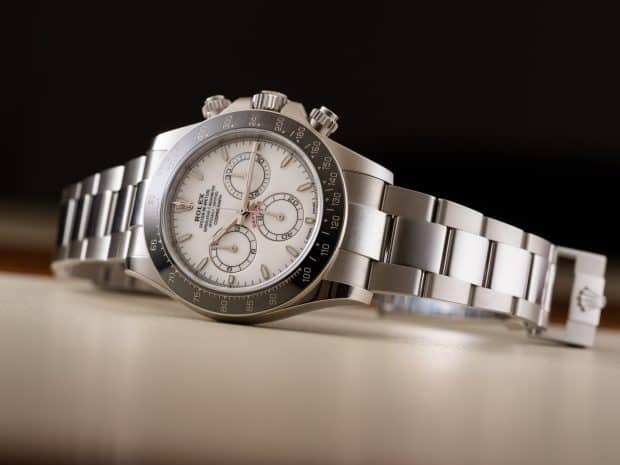
For over three decades, the Rolex Daytona relied on third-party architecture—first utilizing hand-wound Valjoux calibers, and later, heavily modified Zenith El Primero automatic movements. Rolex did not introduce its own fully proprietary chronograph caliber (Calibre 4130) until 2000.
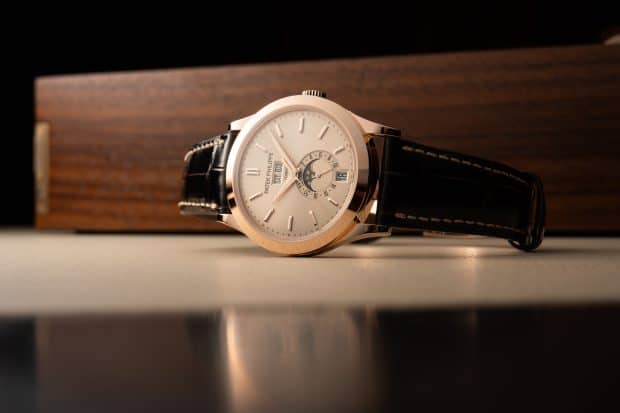
Similarly, Patek Philippe—long regarded as the pinnacle of haute horlogerie—powered grand complications like its legendary perpetual calendar chronographs with modified ébauches from Lemania and Valjoux for decades. Patek did not debut its first fully in-house automatic chronograph caliber (CH 28-520) until 2006.
Following the recent passing of patriarch Philippe Stern, the market saw notable volatility: Philippe Stern-era timepieces (which mostly house third-party bases) surged in secondary market appreciation past their Thierry Stern-era counterparts. It is an ironic phenomenon driven by period aesthetics and historical prestige, proving that “in-house” provenance is hardly a dealbreaker for discerning collectors. Simultaneously, this market shift underscores a compelling truth: while Philippe built the modern brand legend, it was his son Thierry who spearheaded the vertical integration of Switzerland’s top artisans under one roof to forge a true modern manufacture.
Historically, true luxury lay in hand-finishing, regulation, and casing, rather than the raw casting of baseplates. But over the last few decades, a series of watershed moments dramatically shifted the paradigm.
Early Precursors to Vertical Integration
While collaboration was the traditional Swiss standard, two distinct forces laid the groundwork for the modern “in-house” ideal long before it became a mainstream benchmark.
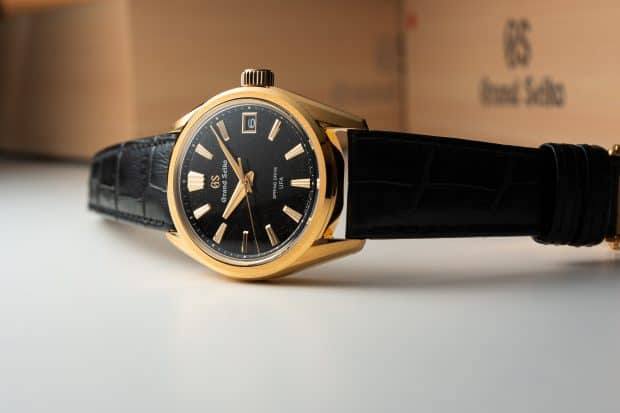
In Japan, Seiko pioneered complete vertical integration out of practical necessity and an obsession with precision. Manufacturing everything from customized screws to proprietary synthetic lubricants under one roof, Seiko achieved true manufacture status decades before its European counterparts. Seiko marketed this capability around technical innovation rather than status symbols, yet half a century later, the magnitude of this achievement is no less staggering.
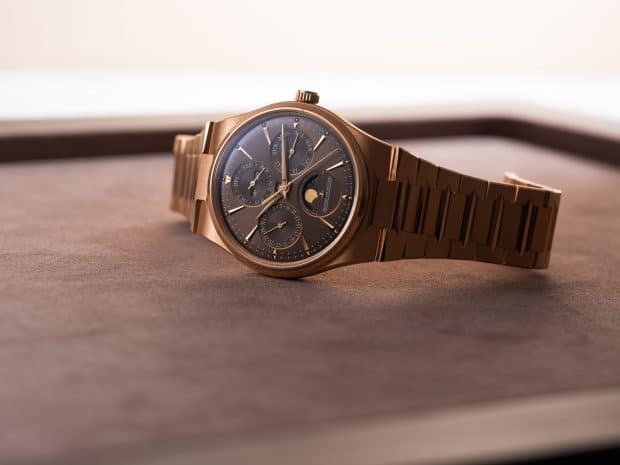
Meanwhile, in Switzerland, Jaeger-LeCoultre carved out a unique position. By designing and fabricating complete movements from scratch—both for themselves and as the master supplier to the broader market, including the “holy trinity” (Patek Philippe, Audemars Piguet, and Vacheron Constantin)—JLC earned the moniker “The Watchmaker’s Watchmaker,” establishing an early benchmark for what a true Swiss manufacture could be.
Two Implied Ultimata
The modern obsession with total self-reliance exploded due to two pivotal moments in the 1990s and 2000s.
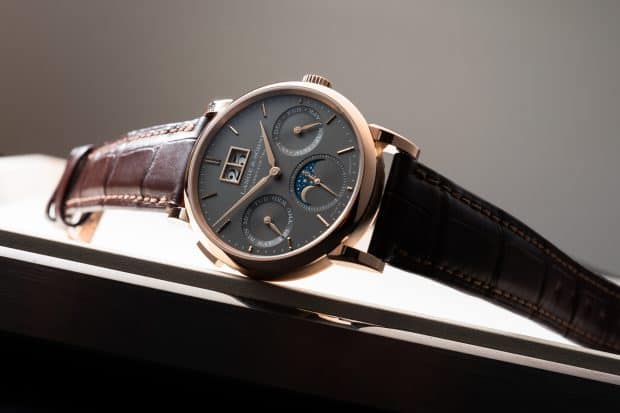
First came the rebirth of A. Lange & Söhne in 1994. Restored after the fall of the Berlin Wall, the Saxon brand made an aggressive strategic statement: every single Lange timepiece would feature a bespoke, proprietary movement engineered and hand-finished from the ground up. The immediate critical acclaim and aesthetic brilliance of Lange’s calibers sent shockwaves through Switzerland. A gauntlet had been thrown down, which forced traditional heavyweights to reconsider their partnerships with generic movement suppliers.
Second, and most decisively, was the Swatch Group ultimatum of 2002. Nicolas Hayek, head of the Swatch Group, announced that its subsidiary ETA, which supplied the raw movement blanks powering the majority of the Swiss industry, would phase out sales to external competitors.
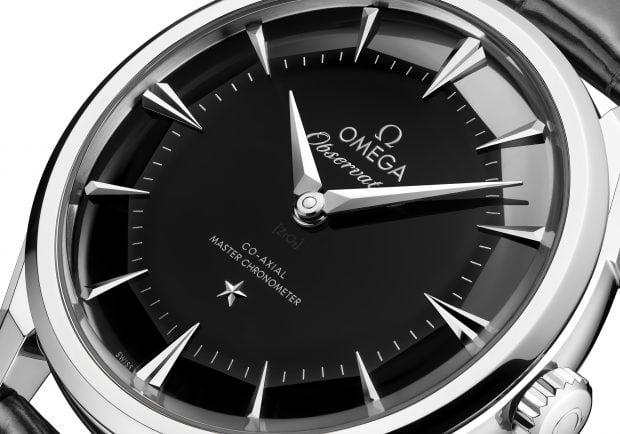
Almost overnight, major brands faced an existential threat. To survive, houses like Breitling, TAG Heuer, and IWC were forced to invest millions in internal R&D and manufacturing infrastructure. To justify these massive capital expenditures (and the accompanying surge in retail prices), the industry launched a massive marketing shift: “in-house” was repositioned as the definitive sign of horological superiority.
Shades of Gray
Earlier this year, a prominent independent brand presented to me their new “in-house” movement, developed with the help of movement specialist Chronode.
“But you describe it as ‘in-house’?” I asked the brand manager.
His brow quivered under the weight of a glaring industry loophole: there is no legal requirement governing the term “in-house.”
As a result, the industry operates across varying shades of vertical integration and embellishment.
Companies like Rolex, Grand Seiko, and A. Lange & Söhne are considered “true manufactures” because they make virtually every core component internally, including hairsprings, escapements, and mainsprings.
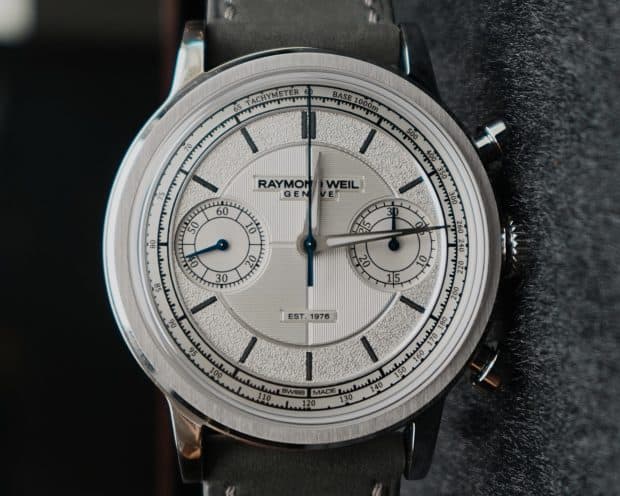
Some Breitling, TAG Heuer, and Tudor watches use modified calibers—these companies buy proven base movements from third parties (like Sellita or La Joux-Perret) and customize them with proprietary rotors, modules, or decorative finishes.
Even houses that design 90% of their caliber components internally often source their balance springs from specialized suppliers like Nivarox (a subsidiary of Swatch Group). Furthermore, many group-owned brands use movements engineered by central conglomerate hubs and market them under proprietary names—a practice that blurs the line between a bespoke caliber and shared resources.
Romance versus Reality
While an in-house caliber offers brand romance and exclusivity, it introduces distinct real-world trade-offs in servicing speed, cost, and long-term reliability.
A classic ETA 2824 or Valjoux 7750 can be serviced by virtually any competent independent watchmaker using easily sourced parts. Proprietary movements, by contrast, often force owners to return the watch to the brand’s official service center, resulting in multi-month wait times and steep maintenance fees. You might have heard anecdotes of how this problem gets worse with small-batch watchmakers and one-man shows.
Furthermore, standardized supplier movements have been field-tested across millions of wrists for over half a century. A newly debuted in-house caliber, despite its marketing prestige, can suffer from early engineering flaws and teething issues that take years of iterations to resolve. Collectors are reluctant to grapple with that issue, as are watchmakers.
Shared Expertise over Isolation
Take nothing away from entities that are successful in consolidating elite artisans from a scarce talent pool—there is no AI or push-button solution for accomplishing this feat.
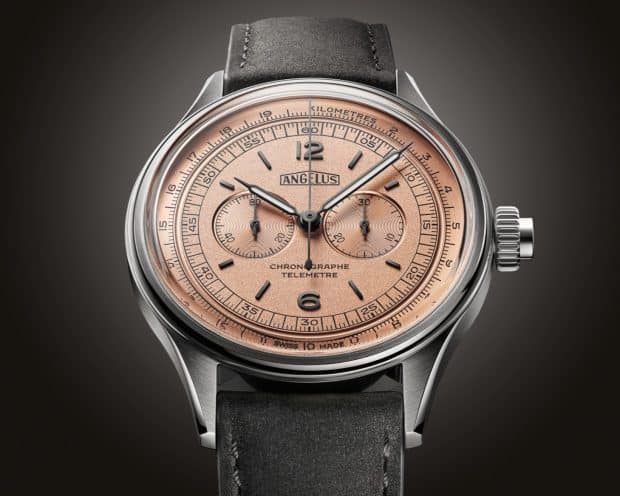
Citizen Group, for one, was built on accessibility and quartz, but recently sought to advance its mechanical caliber engineering and fine watchmaking capabilities by acquiring vaunted movement specialist La Joux-Perret, alongside haute horlogerie marques like Angelus, Arnold & Son and Frédérique Constant.
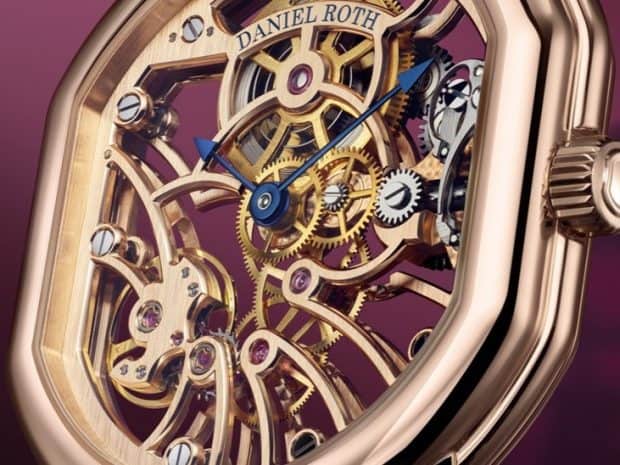
Also growing rapidly, LVMH’s watch division has accumulated world-class expertise through La Fabrique du Temps, best embodied by the unassailable internal angles and black polishing of recent Daniel Roth revivals, as well as Louis Vuitton’s museum-worthy pocket watches.
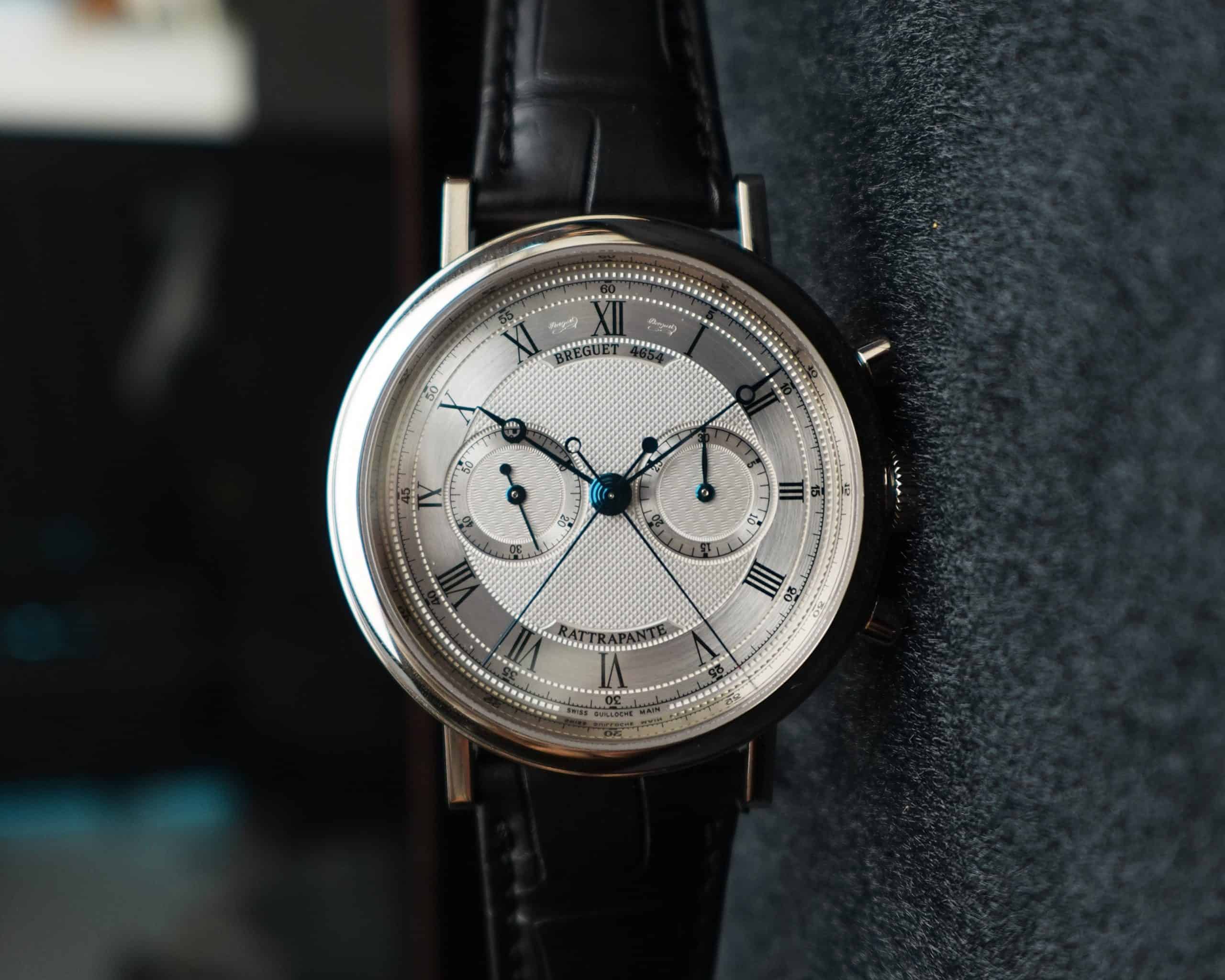
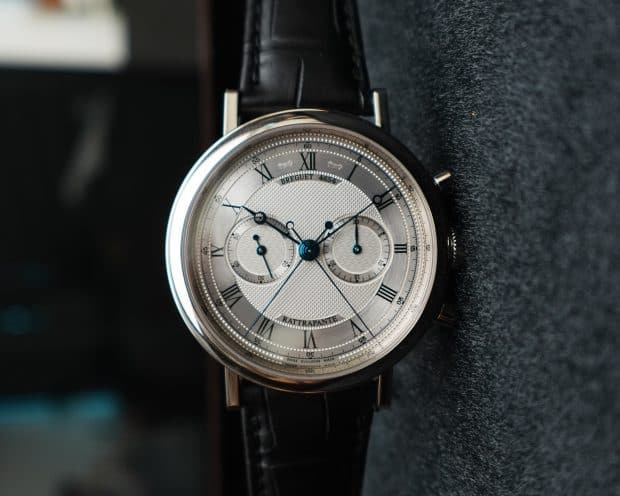
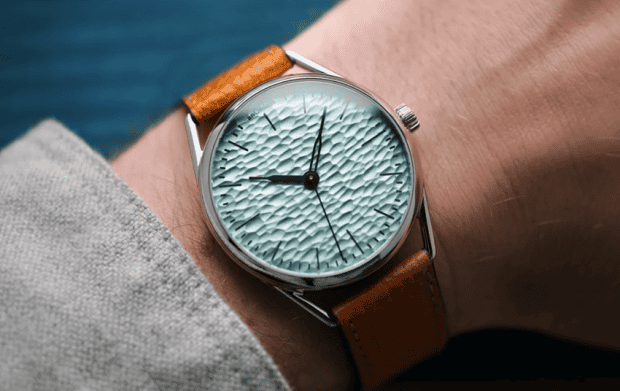
Established houses like Breguet regularly use specialized components from parent-group subsidiaries without compromising their prestige. Meanwhile, independent brands like anOrdain focus on their mastery of rare vitreous enameling, wisely relying on third-party movements rather than breaking the bank to reinvent the wheel.
On the opposite end of the spectrum, young creators like J.N. Shapiro and initiatives like Naissance d’Une Montre are striving to master every aspect of horological handcraftsmanship within a lean outfit—an impressive endeavor that cannot be overstated.
Whether through corporate synergy or pure handcraft, these approaches demonstrate that greatness comes from devotion, not marketing buzzwords.
Seeing Beyond the Buzz
Recognizing “in-house” for what it truly is—a modern response to supply shortages turned into a brilliant marketing campaign—allows collectors on either side of the debate to evaluate timepieces by what actually matters: design, reliability, finishing, and engineering integrity.
As collectors, we ought to look past the promotional narratives. As “in-house” is neither legally binding nor audited, much of the surrounding media coverage simply echoes corporate press releases. As a prominent watch industry investor once told me: “During a guided tour of a brand’s manufacture, an employee demonstrated how to make a hairspring, but I certainly didn’t assume the manufacture makes all of its hairsprings.”