We heard your feedback on our independent watch brands story. Clearly, 64 brands weren’t enough. You requested it, so here’s a fresh roster of fearless watchmakers and ateliers, whose otherworldly feats of precision, complication, and decoration deserve a little more attention. Some work alone from tiny workshops, others assemble teams of industry veterans, but all share an obsessive commitment to doing things their own way. If you enjoyed our discussion of what it truly means to be “in-house,” you’ll be pleasantly surprised that some of these watchmakers below craft their components themselves without the aid of computers or automated machinery.
By popular demand, we're shedding light on more small-batch watchmakers who are making big impressions.
A.Birchall
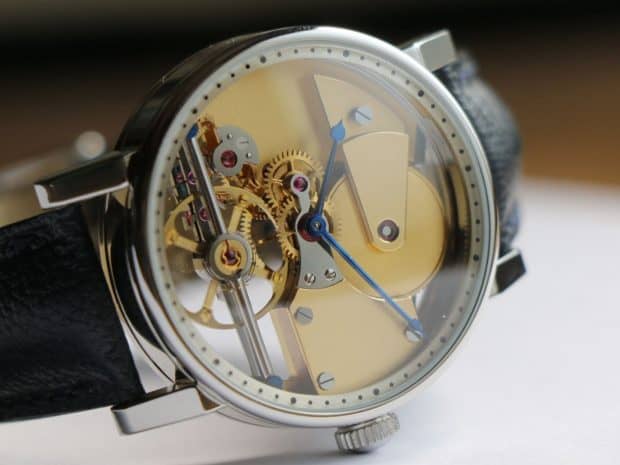
After spending over 16 years repairing and restoring timepieces across Britain and Australia, French-English watchmaker Alan Birchall relocated to Tajimi in Japan’s Gifu Prefecture to launch his independent atelier, A.Birchall. Drawing heavy inspiration from historical English and French horological traditions, Birchall designs his timepieces around the very tools used to build them. His debut Pièce d’Essai prototype is housed in a compact 35.4mm stainless steel case, and achieves an astounding 80% handmade fabrication rate entirely in-house. From heating hand-blued hands and German silver dials to frosting gold-plated mainplates and executing mirror-polished bridges, Birchall exemplifies the pure spirit of modern artisan watchmaking.
Artime
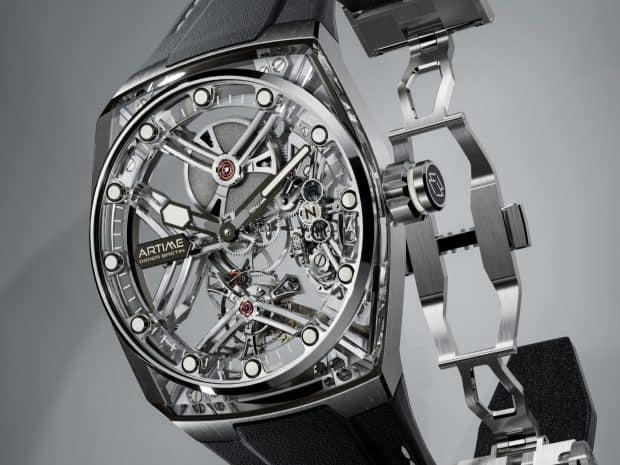
Founded in Les Brenets, Switzerland, Artime is an elite collective formed by heavyweights with deep roots across Audemars Piguet, Renaud & Papi, Greubel Forsey, and F.P. Journe. Key figures including movement designer Didier Bretin, former APRP manager Fabrice Deschanel, and former AP creative director Claude Emmenegger have joined forces to build timepieces without corporate constraints. Their debut ART01 Tourbillon features a tourbillon with a double balance spring, floating within an architectural frame of Grade 5 titanium and transparent sapphire, establishing a ravishing standard-bearer for transparent, independent horology.
ArtyA
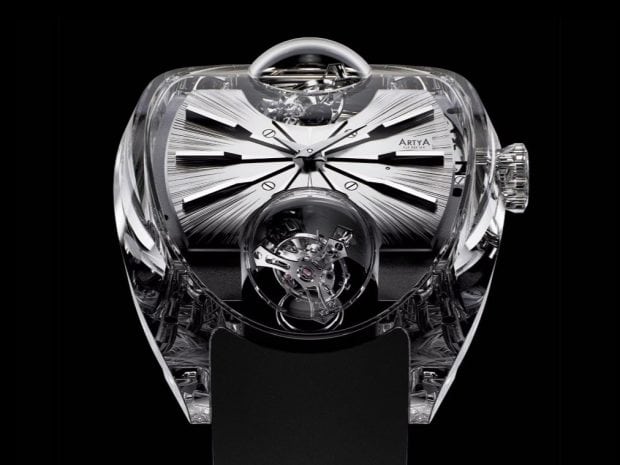
Spearheaded by industry iconoclast Yvan Arpa, ArtyA has spent over fifteen years redefining expressive watch design. Famous for using unconventional materials, ranging from real bullet casings and dinosaur fossils to meteorite and color-changing synthetic sapphire cases, ArtyA marries avant-garde aesthetics with serious mechanics, including flying tourbillons and minute repeaters.

Atelier de Chronométrie
Founded in 2014 by creative director Santiago Martínez and master watchmakers Eduard Mercadé and Moebius Rassmann in Barcelona, Atelier de Chronométrie (AdC) champions a vintage aesthetic inspired by the golden era of 1930s and 40s watchmaking. AdC put Spanish independent horology on the map when its debut AdC1 model earned a chronometer certification from the prestigious Besançon Observatory in France. Known for bespoke one-of-one creations, traditional cloisonné enamel dials, and meticulous hand-finishing of vintage movement blanks (such as the GPHG-nominated AdC8 split-seconds chronograph powered by a heavily modified vintage Omega caliber), the team recently unveiled their first fully in-house caliber, the M284, inside the AdC22.
Haldimann
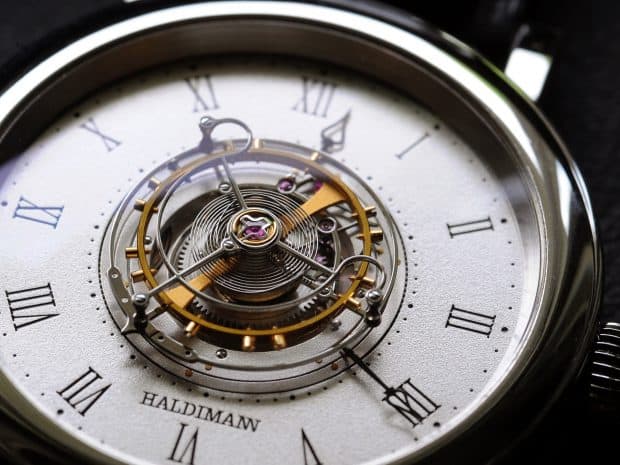
Operating out of a historic villa in Thun, Switzerland, Beat Haldimann is a master watchmaker who anticipated the modern independent renaissance. Long before central tourbillons became a trend, Haldimann shocked the watchmaking world in 2002 with the H1 Flying Central Tourbillon, where he reconfigured his gear train in order to relocate the escapement to the center of the dial. His creations, such as the H2 Flying Resonance and H12 with central balance, are built by hand using traditional tools and unpowered machinery.
Cédric Johner
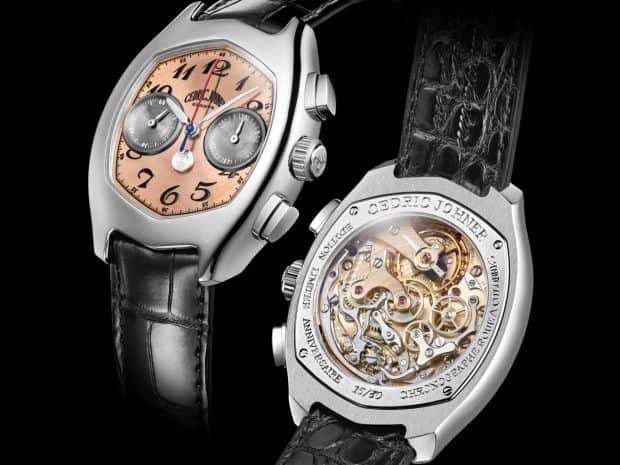
A former Chopard jeweler and master watchmaker based in Geneva, Cédric Johner crafts bespoke and small-batch timepieces characterized by his signature Abyss case—a cushion-shaped, hexagonal-curved design. Johner builds and decorates his movements component-by-component by hand without CAD or automated CNC processes, resulting in micro-production numbers and distinct personal artistry on every dial and plate.
D. Dornblüth & Sohn
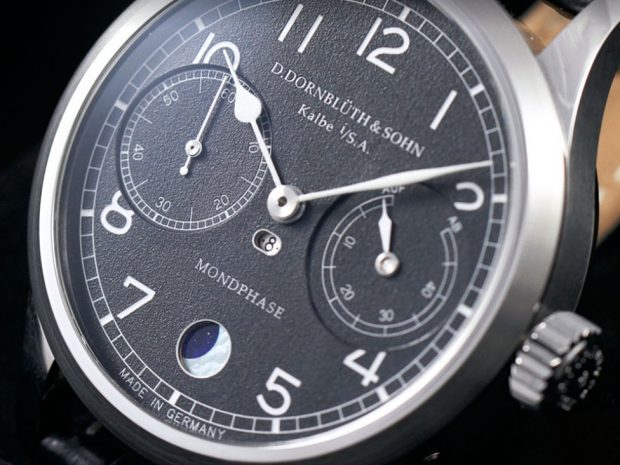
Nestled in Kalbe (Milde), Germany, Dieter Dornblüth and his son Dirk have spent over two decades preserving traditional Saxon watchmaking. Celebrated for their warm personal relationship with collectors, the brand manufactures many of its movement components, dials and hands in-house using traditional machinery. Their pocket watch-inspired marine chronometer wristwatches represent bench watchmaking at an accessible price point.
David Candaux
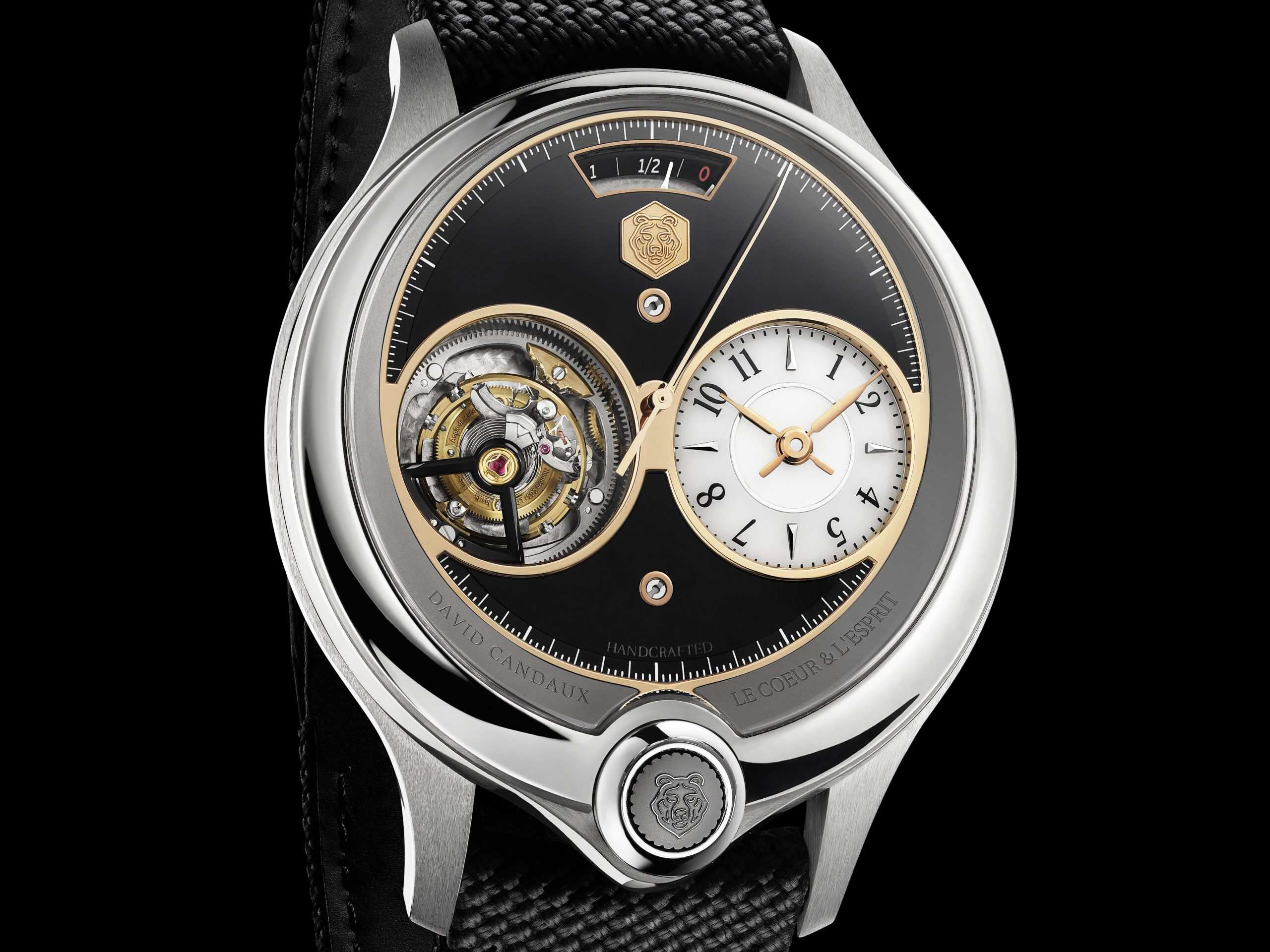
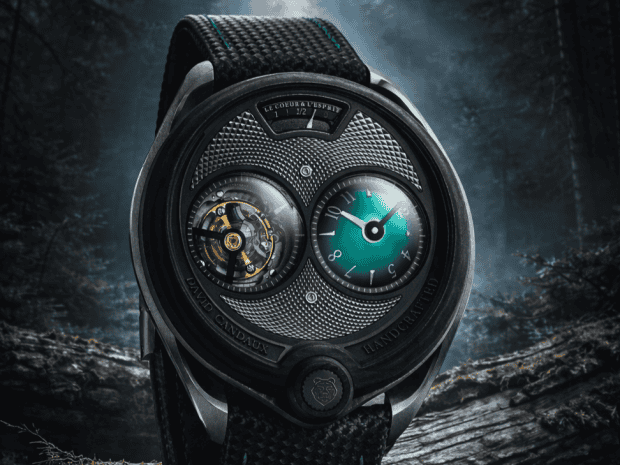
After a 17-year career at Jaeger-LeCoultre, where he worked on high complications, Candaux established his own atelier. Mentored by Philippe Dufour, he subsequently became a member of the AHCI (Académie Horlogère des Créateurs Indépendants). Candaux is renowned for his DC1 First Edition, DC6 Solstis, and the DC1 First Edition / DC7 Genesis. His timepieces feature asymmetric, inclined movement construction, a secret crown mechanism positioned at 12 o’clock, and hand-finished Côtes du Solliat striping.
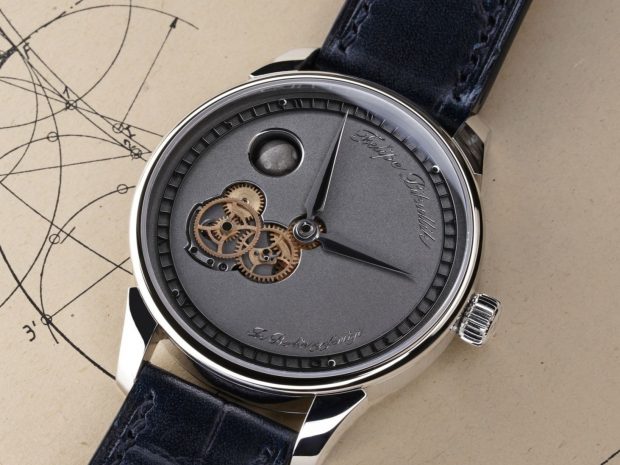
Felipe Pikullik
Operating from his workshop in Berlin, young watchmaker Felipe Pikullik brings traditional hand-skeletonization and engraving to a modern generation of enthusiasts. Pikullik hand-carves, bevels, and frost-finishes every bridge and dial component himself, producing limited runs of three-handers, skeletonized dress watches, and tourbillons that highlight raw hand-finishing at accessible tiers.
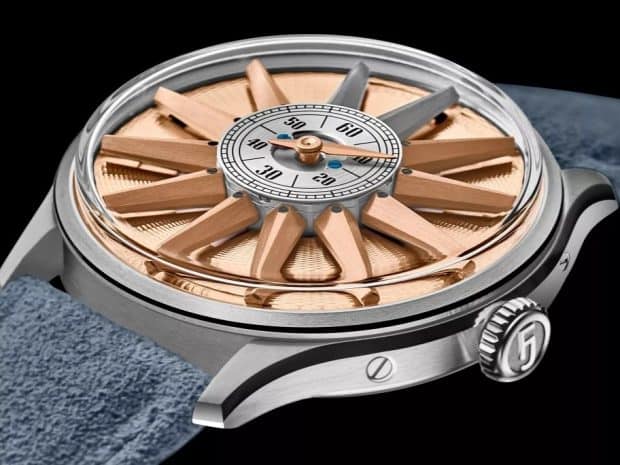
Frédéric Jouvenot
Geneva-based watchmaker Frédéric Jouvenot made a name for himself by reimagining how time is displayed. Famous for his Solar Deity and Helios collections, Jouvenot eliminated traditional watch hands in favor of twelve rotating radial beams that flip 180 degrees to indicate day and night, powered by a patented mechanical jumping display.
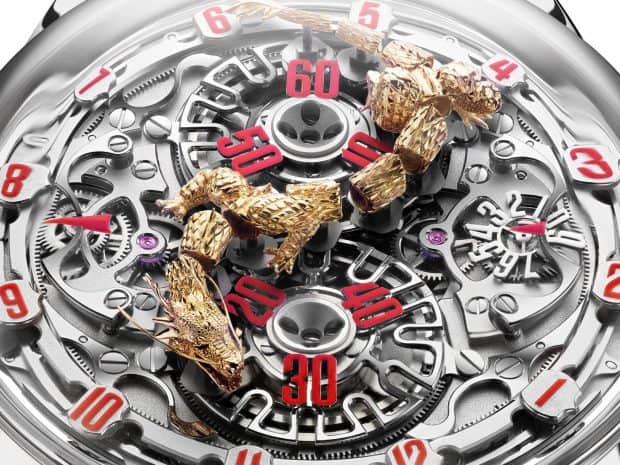
Genus
Co-founded by master watchmaker Sébastien Billières and Catherine Henry, Genus captured the 2019 GPHG Mechanical Exception Prize with its debut GNS1. The brand invented an entirely new mechanical display where a free-circulating element (resembling a mechanical centipede or “genus”) crawls along an analemma-shaped track to display the tens of minutes, driven by an in-house caliber built with meticulous hand-beveled angles.
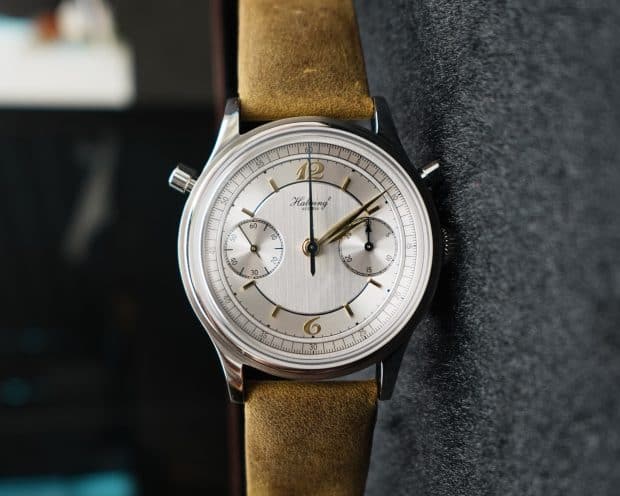
Habring²
Founded in Völkermarkt, Austria, by husband-and-wife duo Richard and Maria Habring, Habring² represents the gold standard of honest, value-driven independent watchmaking. Richard Habring, who previously developed the split-seconds chronograph (doppelchronograph) module for IWC, uses modular movement architectures to produce split-seconds chronographs, deadbeat seconds, and perpetual calendars at modest prices, clinching the GPHG Petite Aiguille prize in 2013, 2015, and 2018.
Interimlamb
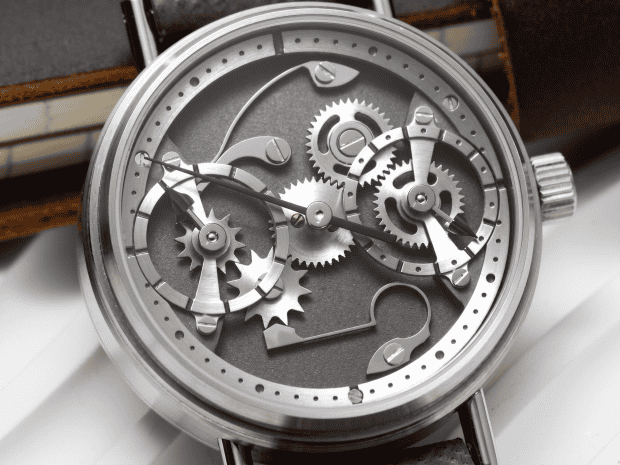
Working in Yamaguchi, Japan, Kenkichi Kumada carries on a three-generation family tradition of watch repair. After learning the craft from his father and through self-study, Kumada established his own workshop, Interimlambwatch, in 2012, where he began creating watches of his own design. His creations include the single-hand Idler and watches fitted with handmade jumping-hour modules, with much of the work performed by hand in tiny quantities. Eschewing the computerized manufacturing techniques he believes have come to dominate modern watchmaking, Kumada instead emphasizes the judgement of the eye and fingertips, producing highly individualistic timepieces in exceptionally small numbers.
Jochen Benzinger
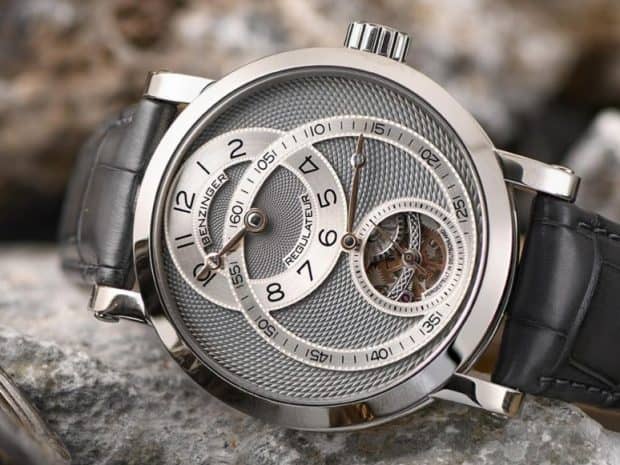
Based in Pforzheim, Germany, Jochen Benzinger is a master of engine-turning, hand-engraving, and skeletonization. Utilizing antique rose engine machines, Benzinger crafts fully hand-guilloché and skeletonized timepieces under his own name while decorating movements for other high-end brands. His collaborative projects with Habring² (the “GAP” series) combine Austrian mechanical engineering with Benzinger’s German handcraft.
Julien Coudray 1518
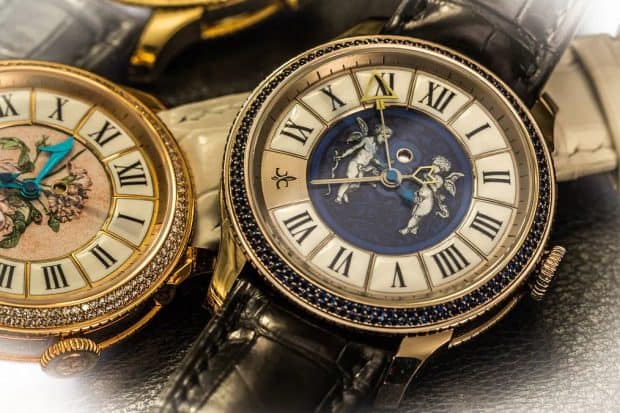
The name Julien Coudray pays homage to the French master clockmaker who served King Louis XII and King François I in the early 16th century. In 1518, the original Coudray made history by miniaturizing clockwork and embedding spring-driven mechanical movements into the handles of two royal daggers—effectively inventing one of the world’s earliest “portable” timepieces. In 2012, master watchmaker and industry veteran Fabien Lamarche founded the modern Manufacture Julien Coudray 1518 in Le Locle, Switzerland. Having previously served as head of prototypes and production for brands like Breguet, Roger Dubuis, and Zenith, Lamarche sought to build an uncompromising manufacture that prioritized Renaissance craftsmanship over industrial scale. Julien Coudray 1518 set a rare standard: almost the entire watch—including the movement plates, gear train components, dial, case, and crown—is crafted from solid precious metals (gold or platinum). They avoid chemical plating, lacquers, or steel. The manufacture operates with virtually all watchmaking métiers under one roof: from making micro-screws and wheels to Grand Feu enameling, hand-engraving, and miniature painting. Dials feature multi-part Grand Feu enamel, hand-engraved motifs inspired by Renaissance gardens, and elegant service indicators. Signature models include the Competentia 1515, which is a complex masterpiece featuring a one-minute tourbillon, power reserve indicator, and a 4-year service indicator, as well as the Classica 1548 / Manufactura 1528 references, which showcase lovingly crafted dials, and hand-finished movements through see-through casebacks. Now defunct, a precious few Julien Coudray 1518 creations circulate in the secondary market and are highly sought after.
Kallinich Claeys
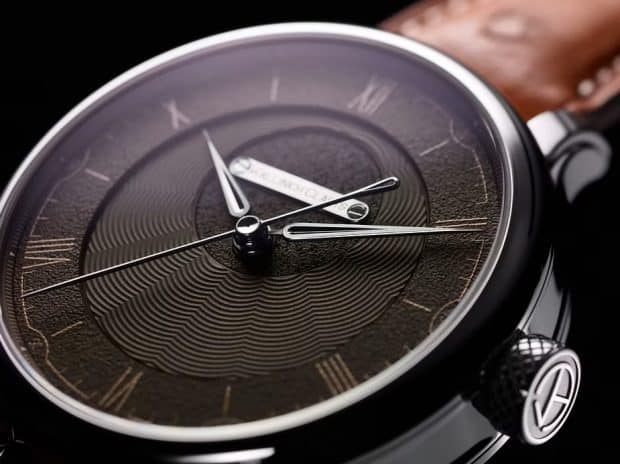
Founded in Glashütte, Germany, by former A. Lange & Söhne watchmakers Johannes Kallinich and Thibault Claeys, Kallinich Claeys debuted with the Einser Zentralsekunde (“Einser Central Seconds”), featuring an angular, hand-finished movement inspired by classic pocket watches. Following Claeys’ departure, Johannes Kallinich continues to helm the atelier, carrying forward its signature blend of traditional Saxon hand-finishing, tremblage dials, and modern movement architecture.
Kees Engelbarts
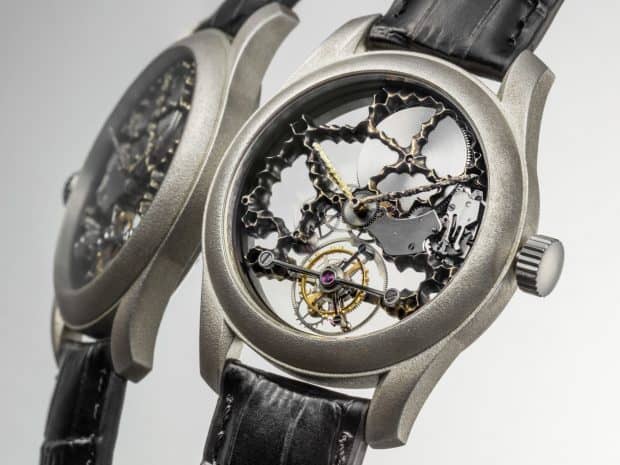
Long before the modern wave of independent watchmaking, there was the lauded artisan Kees Engelbarts, who remains a little lesser known than his fellow Dutchmen the Grönefeld brothers and Christiaan van der Klaauw. Based in Switzerland, Engelbarts is an undisputed master of Mokume-gane (a Japanese metal-lamination technique) and hand-engraving, carving skeletonized movements and dials into wearable sculptural art.
Luca Soprana
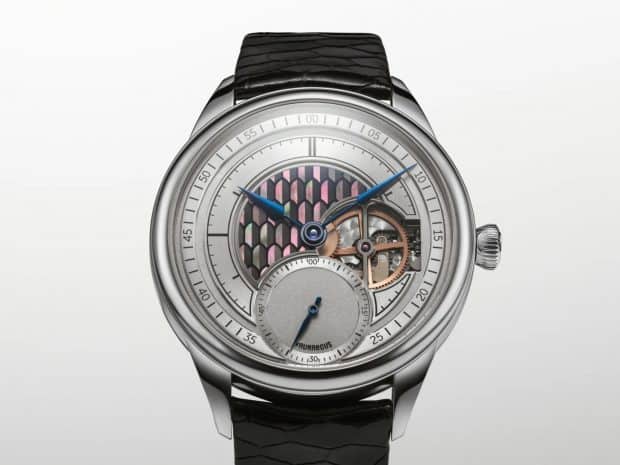
Operating from his workshop Atelier 7h38 inside the historic Castle of Vaumarcus near Neuchâtel, Italian-born watchmaker Luca Soprana is widely regarded as one of high horology’s most brilliant behind-the-scenes masterminds. An alumnus and former instructor of WOSTEP (where he studied alongside Kari Voutilainen), Soprana cut his teeth at Vianney Halter, Patek Philippe, and Rolex before going independent. He is the mechanical genius behind Jacob & Co.’s multi-axis Astronomia Tourbillon, Massena LAB’s Old School projects, and the legendary reconstruction of the late Derek Pratt’s unfinished water-driven remontoire tourbillon. While long serving as an uncredited constructor for top luxury houses, Soprana has recently begun releasing ultra-exclusive, hand-finished timepieces under his own name.
Marco Lang
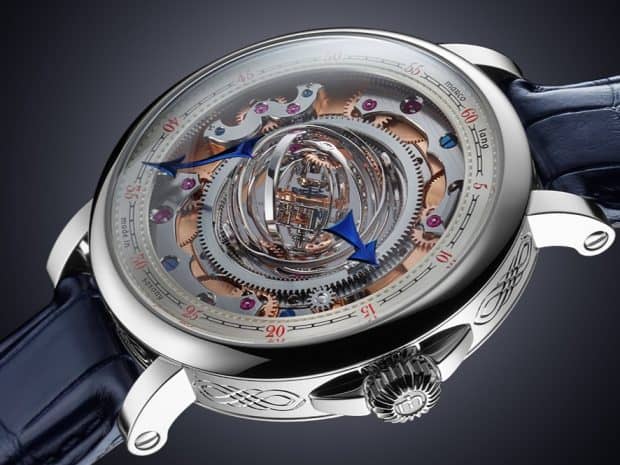
After co-founding Lang & Heyne, fifth-generation master watchmaker Marco Lang launched his independent workshop in Dresden to push his personal creative vision. His debut release, the Zweigesicht I (Two-Faced), features a dual-dial case that can be flipped to reveal either a grand feu enamel time display or an exposed shock-mounted movement equipped with a free-sprung balance and a proprietary balance-stop mechanism.
Mauron Musy
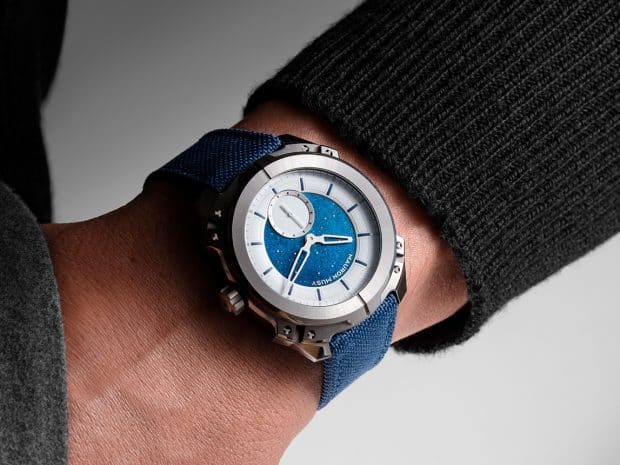
Based in St-Imier, Switzerland, Mauron Musy tackled a fundamental vulnerability in watchmaking: degrading rubber O-ring gaskets. They developed and patented the nRF (No Rubber Gasket) technology, a mechanical clamping system that seals the watch case against water ingress using metal-on-metal compression alone, safeguarding their proprietary in-house calibers even under high pressure.
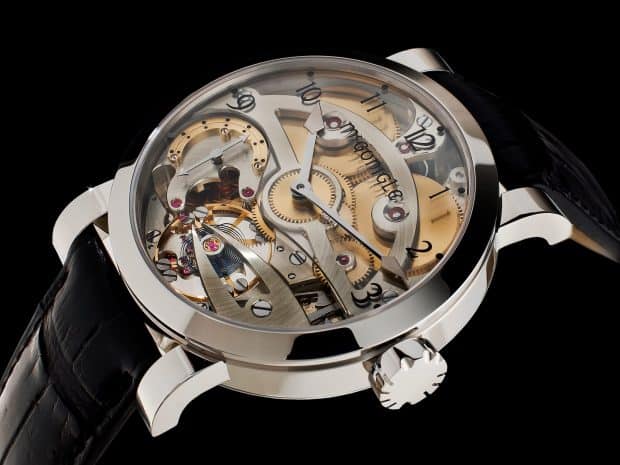
McGonigle Tourbillon Skeleton / Photo credit: McGonigle
McGonigle
Founded by Irish brothers Stephen and John McGonigle, this atelier brings Celtic design and intricate Swiss-style finishing together. Trained at top Swiss movement restoration workshops and complication specialist Renaud & Papi, the McGonigle brothers created celebrated models like the Tuscar and Tuscar Banana, featuring exposed balance wheels, free-sprung balances, and hand-engraved Celtic knotwork.
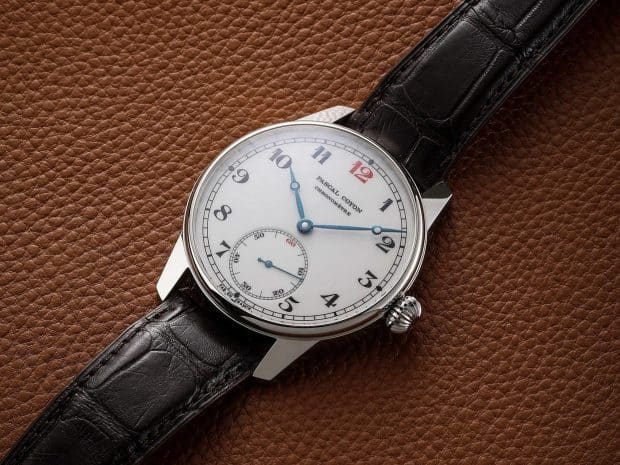
Pascal Coyon
Operating out of Bayonne, France, master watchmaker Pascal Coyon earned a dedicated following among collectors for his chronometer-grade timepieces. Coyon takes historic pocket watch movements and extensively reworks and decorates them with frosted 18k gold-plated mainplates, hand-beveled bridges, and raised chatons. His small-batch Chronomètre series represents classic 19th-century French chronometry brought to the wrist.
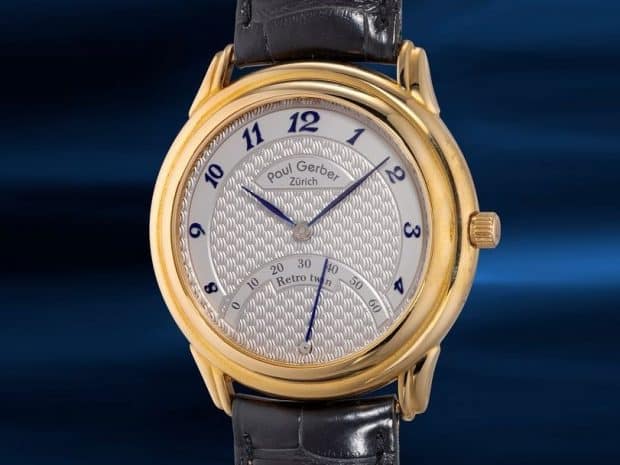
Paul Gerber
A legendary Zurich-based master watchmaker and former AHCI President, Paul Gerber created one of the world’s most complicated wristwatches by adding a flying tourbillon, split-seconds chronograph, and minute repeater to an existing Piguet caliber. Gerber is also famous for designing the proprietary three-rotor automatic movement for MIH (Musée International d’Horlogerie) and continues to craft limited-production timepieces with twin or triple synchronized rotors from his personal workshop.
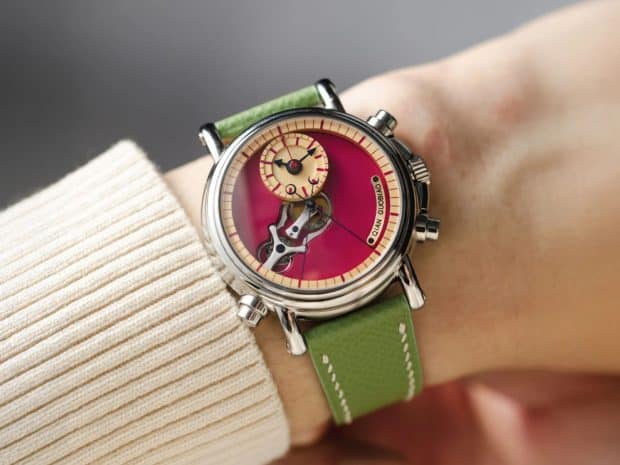
Qian Guobiao
Known to collectors as the “Tourbillon Doctor,” Dongguan-based Qian Guobiao is a figure in independent Chinese horology. After years as a master restorer of high complications, Qian launched his own atelier centered on an architectural and utilitarian philosophy. His signature models, like the AB-02 “Facing the Sky” and the AB-03 “Double Balance Wheel,” feature dial-side exposed balances, twin co-axial balance assemblies, and hand-finishing done entirely in-house. By a pleasant coincidence, his given name, ‘Guobiao,’ translates to ‘national standard’ but can also be interpreted as ‘a watch that represents the country.’
Renaud Tixier
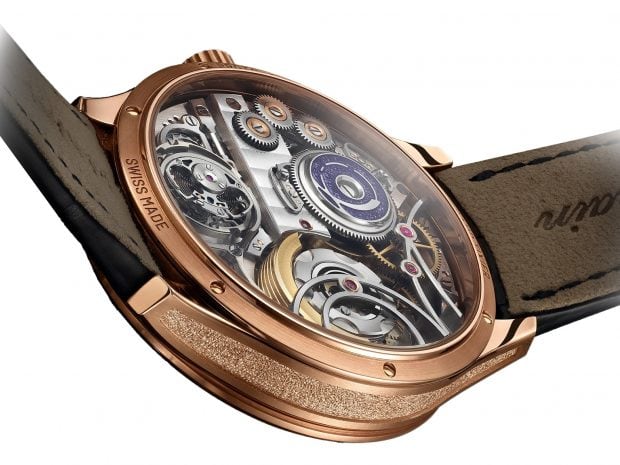
Co-founded by legendary movement constructor Dominique Renaud and watchmaker Julien Tixier, Renaud Tixier focuses on solving mechanical energy loss in wristwatches. Their debut timepiece, the Monday, features a patented micro-rotor auxiliary engine (the “Dancer”) that optimizes kinetic energy transfer to the mainspring barrel, merging thoughtful physics with traditional hand-finishing.
Rudis Sylva
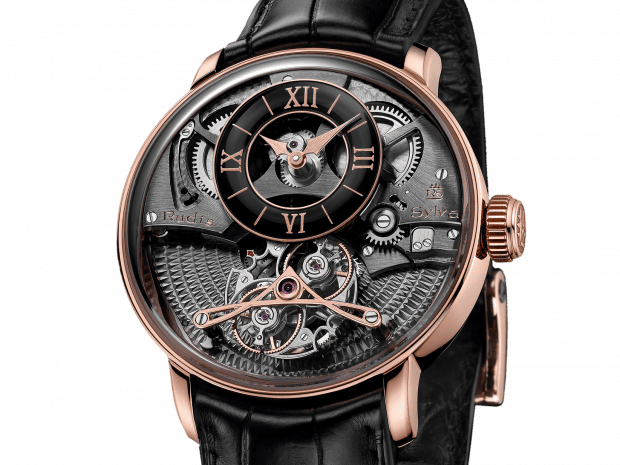
Hailing from Les Bois in the Swiss Jura, Rudis Sylva developed a patented complication designed to counteract the effects of gravity: the Harmonious Oscillator. Unlike a traditional tourbillon that rotates a single cage, the Harmonious Oscillator connects two geared balance wheels driven by a single escapement, instantly inter-linking their oscillations designed to counteract the effects of gravity on the regulating organ, particularly when the watch is held vertically.
Speake-Marin
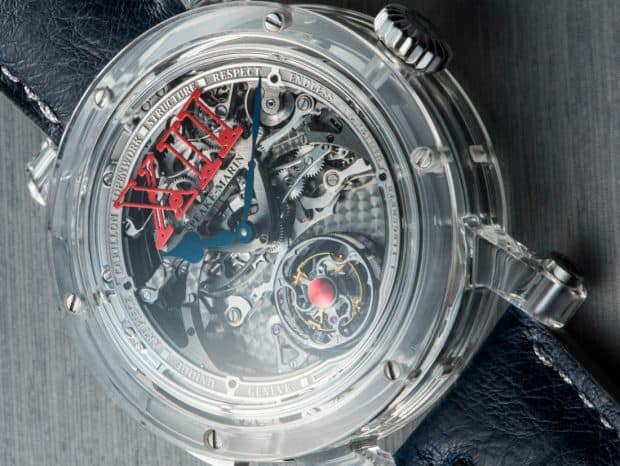
Founded in 2002 by English watchmaker Peter Speake-Marin and now led by CEO Nicole Chauvy, Speake-Marin pioneered distinctive design cues, including spade-shaped Foundation hands, drum-shaped Piccadilly cases, and open-worked micro-rotor movements. Even though Peter Speake-Marin parted ways with his namesake brand in 2017, it continues to expand its impressive high-complication offerings with dual-time indicators and flying tourbillons.
Thomas Prescher
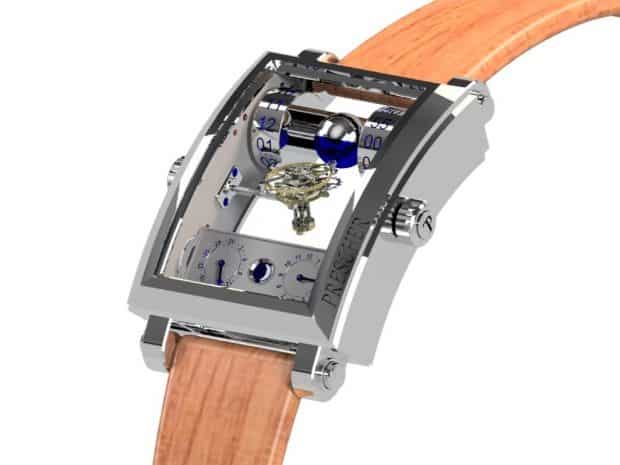
A former captain in the German Navy turned master watchmaker and AHCI member, Thomas Prescher garnered the watch industry’s attention and respect in 2003 when he unveiled what is widely regarded as the world’s first triple-axis tourbillon wristwatch. Working out of his Swiss workshop, Prescher crafts multi-axis tourbillons, retrograde calendar timepieces, and bespoke pocket watches that showcase complex three-dimensional escapement movement.
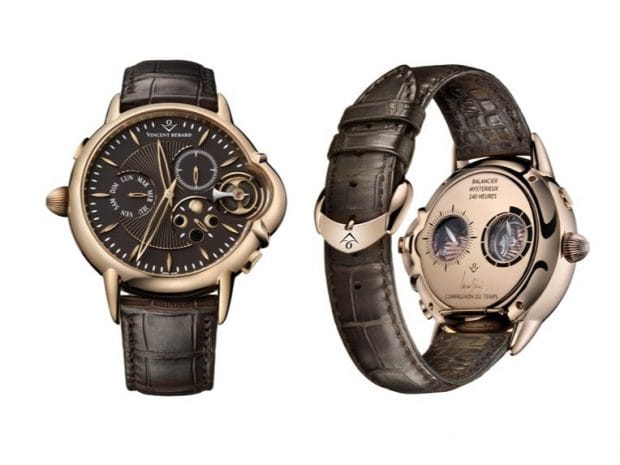
Vincent Bérard
Vincent Bérard is a watchmaker, restorer, and artist based out of La Chaux-de-Fonds, known for viewing watchmaking as an extension of nature, philosophy, and sculpture rather than just micro-engineering. He gained initial fame in high horology through his monumental pocket watch creation, the Quatre Saisons Carrosse (Four Seasons). Bérard’s design philosophy revolves around organic shapes, fluid movement, and the harmony between time and natural cycles. Movement designs by Bérard are immediately recognizable. Instead of flat plates or standard bridges, his calibers feature multi-tiered, spindle-shaped bridges arranged in three-dimensional, spiral-staircase patterns. Dial layouts and case shapes are often asymmetrical or oval, referencing the cycle of the seasons, infinite loops, and organic growth. To scale his vision, Bérard partnered with investors, and the brand was acquired by the Timex Group in 2006 to serve as a high-end luxury division. While the original ultra-luxury manufacture focused on high-complication timepieces, the brand name was later re-imagined by the group with an emphasis on sustainable, eco-conscious Swiss mechanical timepieces. His flagship model Luvorene 1 houses the hand-wound Caliber VB441, famous for its 5-level spiral movement architecture, hand-beveling, and an impressive 10-day power reserve. It features an open-worked window displaying the balance wheel oscillation, accompanied by moon phase and day-of-the-week displays.
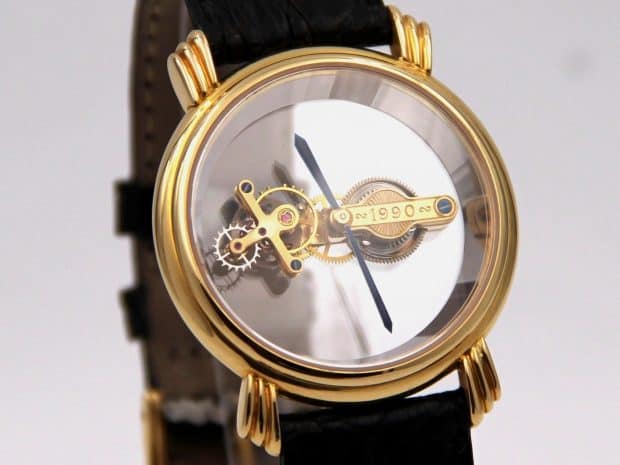
Vincent Calabrese
Co-founder of the AHCI alongside Svend Andersen, Italian-born master watchmaker Vincent Calabrese is a visionary in spatial movement design. Calabrese developed the baguette-style movement architecture that would become the Corum Golden Bridge, which was first introduced in 1980. Under his own name, he created tourbillons featuring wandering jump-hour indicators and “mysterious”-style transparent watches.
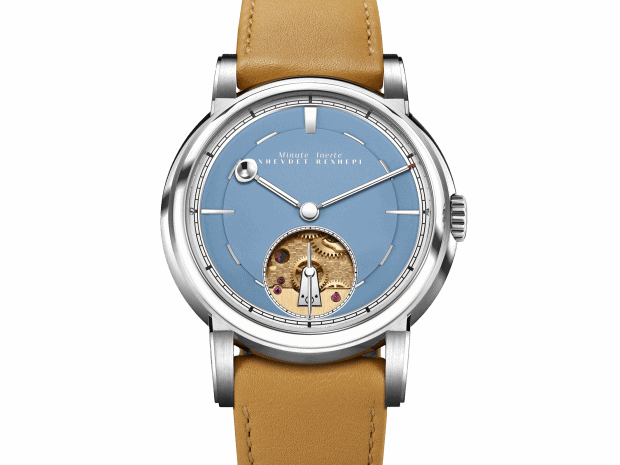
Xhevdet Rexhepi
Brother to Rexhep Rexhepi, Xhevdet Rexhepi launched his independent brand with the widely praised Minute Lineaire, after working at Akrivia from 2015 until 2022. Featuring a symmetrical, architectural movement layout, a jumping minute display, and an exposed balance wheel at 6 o’clock, Xhevdet’s debut release demonstrated a clear, independent design language—adhering to traditional hand-beveling and movement finishing standards, while favoring gentle pastels.