Every November, Geneva hands out the closest thing watchmaking has to an Academy Award. There is a red carpet, a host, a hall full of CEOs pretending not to be nervous, and, at the end of the night, a small gold trophy called the Aiguille d’Or. This year the 26th Grand Prix d’Horlogerie de Genève takes place on Saturday, November 7, 2026, at the Bâtiment des Forces Motrices, the old pumping station that sits in the middle of the Rhône.
The Grand Prix d'Horlogerie de Genève (GPHG) is an annual watchmaking competition founded in 2001. In 2026, 84 nominated watches across 14 categories compete for prizes including the top Aiguille d'Or, with winners announced at a ceremony in Geneva on November 7.
So, what is the GPHG, exactly? Created in 2001 and overseen since 2011 by a foundation recognized as a public interest organization, the Grand Prix d’Horlogerie de Genève describes its mission as celebrating and promoting the watchmaking art. In practice, it is the one competition in which an independent working out of a small atelier can stand on the same stage as the industry’s largest houses, judged on the same terms.
That is also what makes it fun to follow. When the GPHG revealed its 84 nominated timepieces in September, the list read less like a sales chart and more like a collector’s wish list, mixing household names with makers whose annual output fits in a single display case. The winners stay sealed until the envelopes open on stage.
How the GPHG Works
Entry is open to every watch brand, irrespective of nationality, and each may submit up to six timepieces, with a given model allowed in only one category. To be eligible for 2026, a watch had to be commercialized after May 2025 and no later than the end of October 2026. The members of the GPHG Academy, a body of industry professionals, collectors and specialists, can also propose watches, which the brands then decide whether to confirm.
From there, the competition runs in two rounds. First, the Academy votes online, with each member ranking six timepieces per category. The top six in each of the 14 categories become the 84 nominated watches. Those categories run from Time Only and Essential through Complication, Chronograph, Tourbillon, and Calendar and Astronomy, to Gemset, Jewellery, Artistic Crafts, Sports and Mechanical Clock. Two price-capped categories keep the competition honest at the accessible end of the market: “Petite Aiguille,” for watches priced between CHF 4,500 and CHF 10,000, and Challenge, for watches at CHF 4,500 or less.
The second round is where the theater begins. A jury of 24 meets behind closed doors in Geneva a few days before the ceremony, in the presence of two public notaries, to handle every one of the 84 finalists in person before casting secret ballots. This year’s jury is chaired by Singapore-based media founder Wei Koh and includes collectors, watchmakers, retailers, and an automaton maker. By rule, the seat reserved for the previous year’s Aiguille d’Or winner goes to Gregory Kissling, CEO of Breguet, which took the top prize in 2025. That same rule makes Breguet ineligible to compete this year.
The Academy does not disappear after nominating. Its members vote again on the 84 finalists, and their average score counts for one third of the final result, the equivalent of 12 votes added to the jury’s 24. Beyond the category prizes and the Aiguille d’Or, the jury can also hand out discretionary awards, including the Audacity Prize, the Horological Revelation Prize for brands less than ten years old, the Chronometry Prize, the Iconic Watch Prize, and the Special Jury Prize. One more rule keeps the evening from becoming a sweep: no single brand can take home more than two awards. The GPHG itself never sees the individual votes, only the final results, which two notaries from two different law practices count and record.
The 2026 Finalists to Know
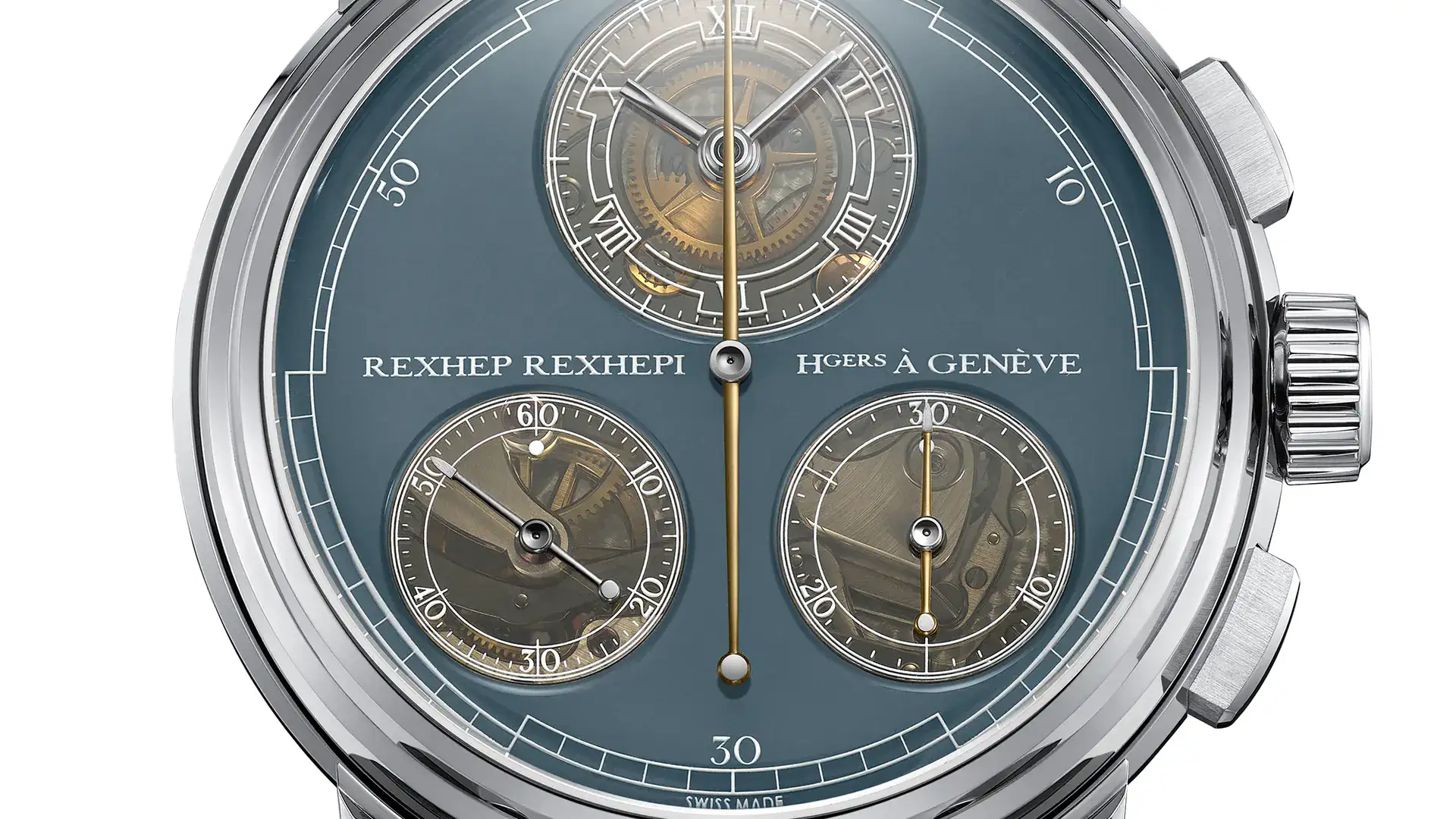
Start with the watch that may have the most collectors leaning toward the glass. Rexhep Rexhepi’s Chronograph Flyback, reference RRCHF, is the Geneva independent’s first flyback chronograph, built on an entirely new hand-wound movement with an integrated column-wheel chronograph and a jumping minute counter. Its 38.8mm platinum case is 9.7mm thick, and the storm blue grand feu enamel dial is made in-house. “For me, a watch is a performance,” Rexhepi writes in the watch’s GPHG entry, adding that everything, from the cases and dials to the hand-stitched straps, now passes through his own workshops. In our view, it is the strongest case in this year’s field for craft and engineering arriving in the same object.
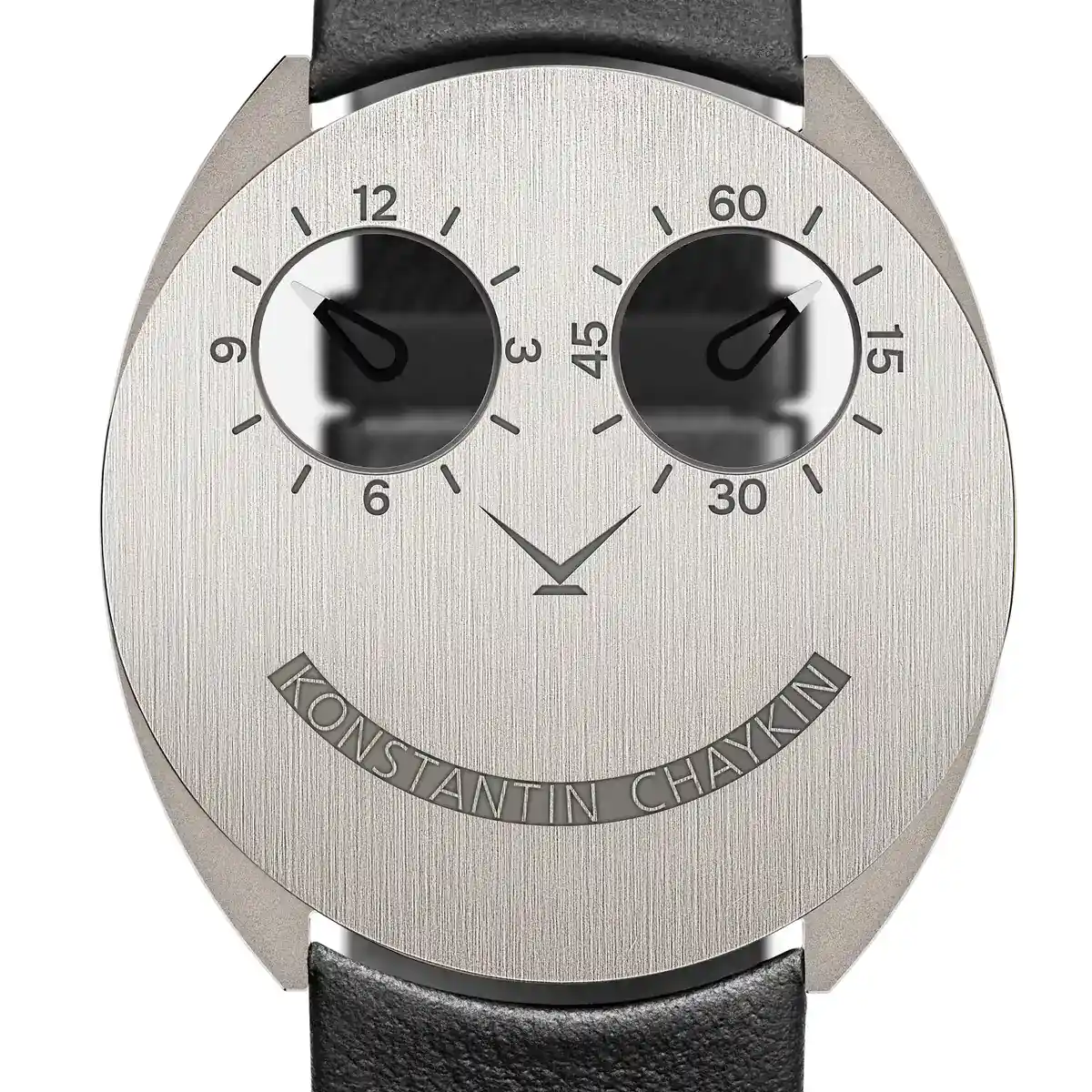
In the Mechanical Exception category, Konstantin Chaykin’s ThinKing Mystery is the record-chaser. The case measures just 1.65mm thick, and Chaykin describes it as the thinnest mechanical watch ever produced as an ultra-limited collection, in a series of 12 pieces. Rather than simply removing parts, Chaykin added a “mystery” display on two transparent sapphire discs, so the hands appear to float, and his patented double balance spreads the regulating organ across a single plane. The lower half of the case doubles as the movement’s mainplate.
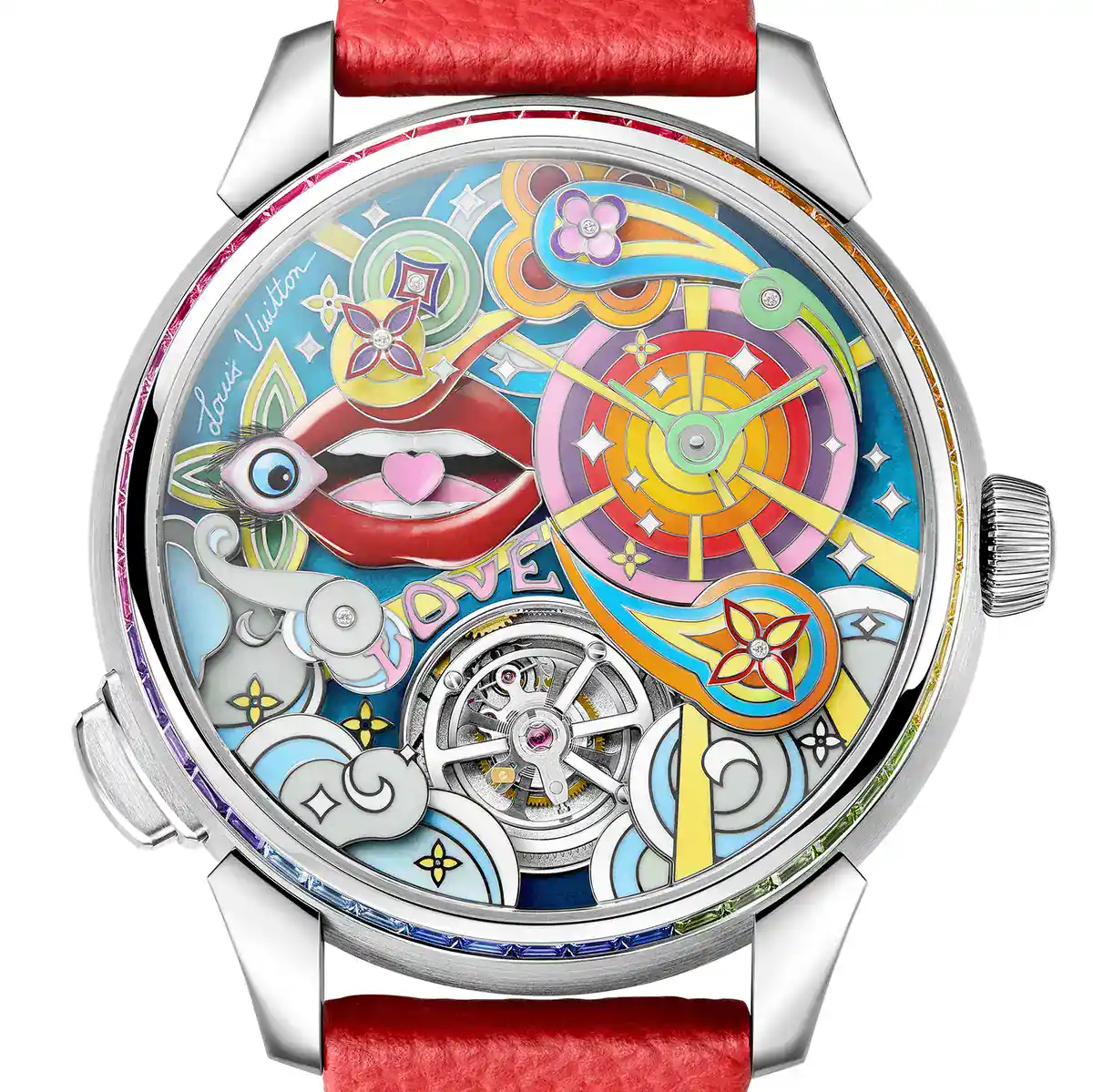
Louis Vuitton’s Tambour Taiko Arty Automata, nominated in Artistic Crafts, is the evening’s showstopper on paper. Its dial took more than 250 hours of handwork, uses 23 shades of champlevé enamel, and stacks 20 miniature elements across four levels. A press of the pusher at 8 o’clock sets off seven animations: Monogram Flowers spin, a heart and an eye flicker, and the word “LOVE” turns into “MOVE,” while a tourbillon shaped like a peace symbol completes one revolution every minute.
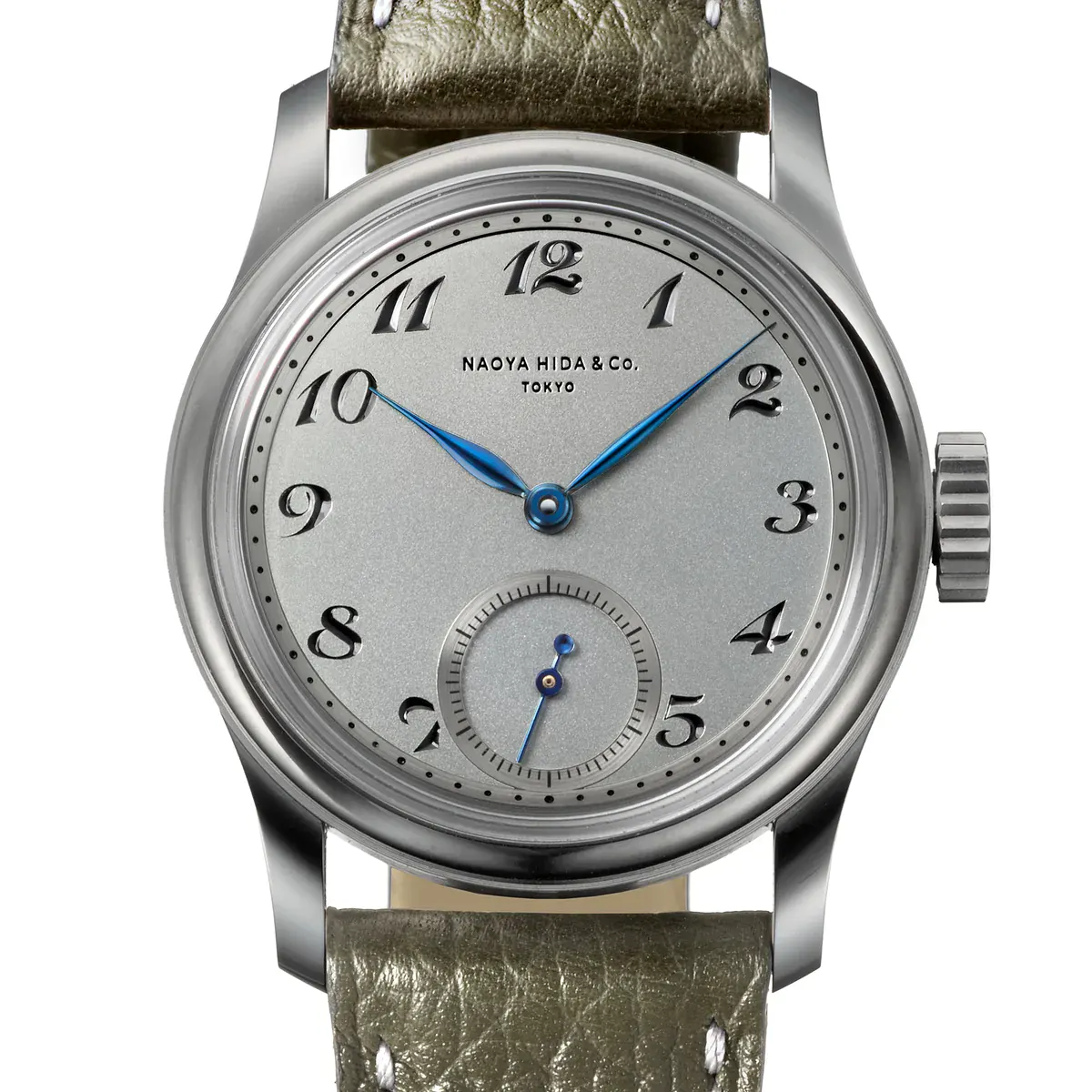
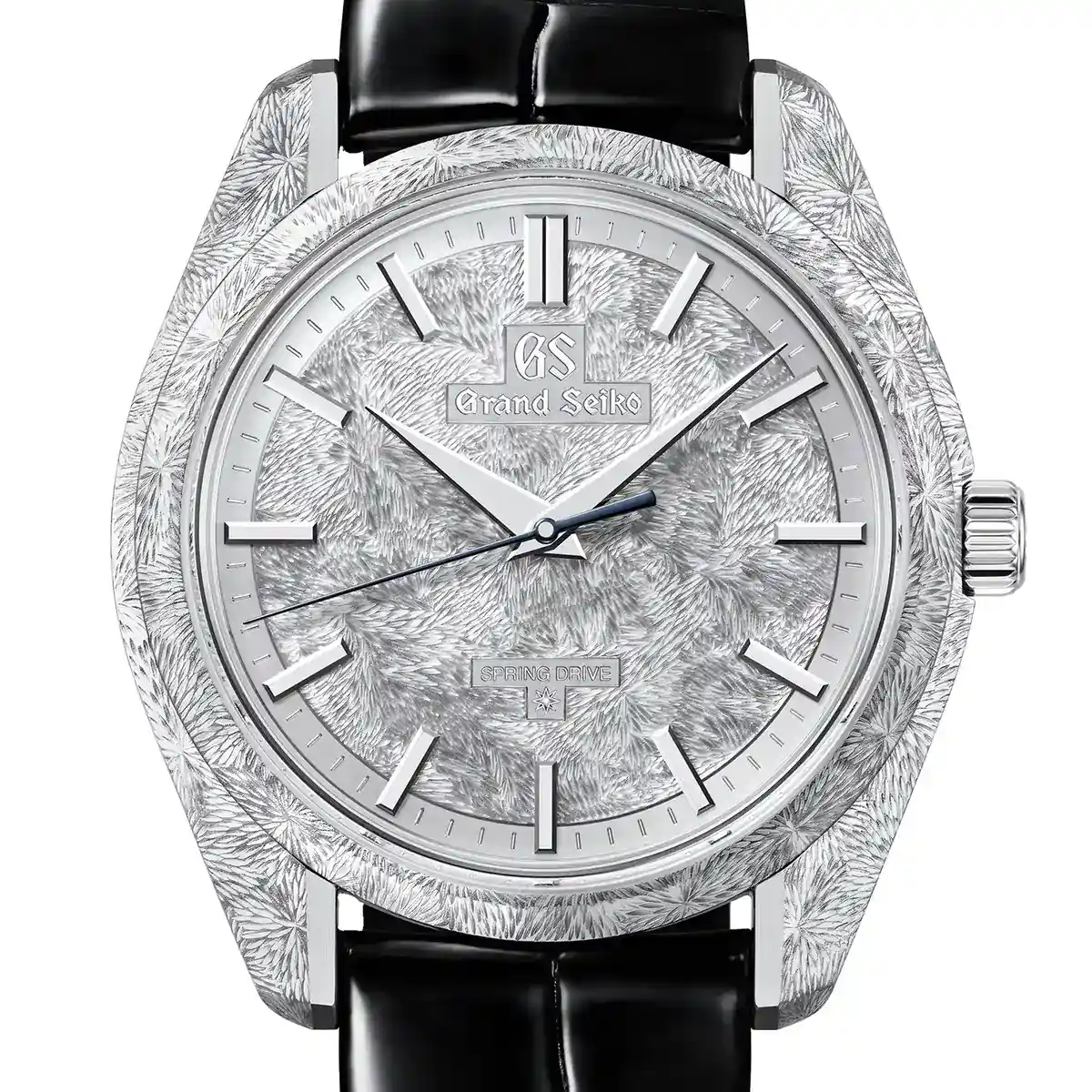
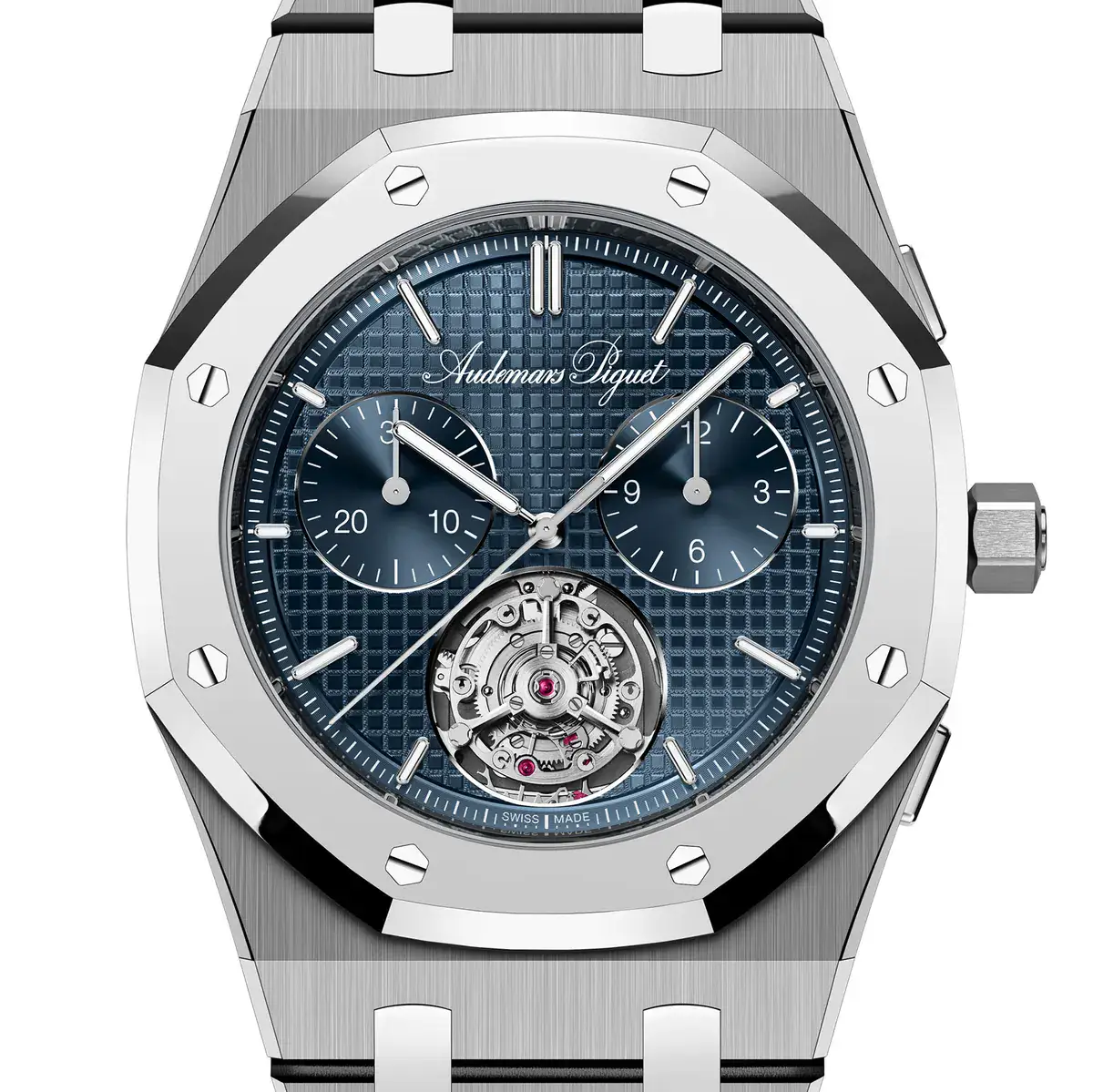
In the Chronograph category, Audemars Piguet arrives with the Royal Oak “Jumbo” Extra-thin Selfwinding Flying Tourbillon Chronograph RD#5 “150th Anniversary,” whose case pairs titanium with bulk metallic glass. Grand Seiko’s Hand-engraved Manual-winding Spring Drive competes in Essential, and Naoya Hida & Co.’s NH Type8A brings Japan’s small-workshop school into Time Only, where it faces Bvlgari’s new Octo Finissimo 37 in satin-polished titanium, a 6.45mm-thin, 37mm version of the house’s record-setting design powered by the new BVF 100 caliber.
Then there is the matter of sheer presence. Chopard has six nominated pieces, spread across Time Only, Mechanical Exception, Gemset, Sports, Jewelry and Mechanical Clock, and Parmigiani Fleurier has four, in Time Only, Essential, Chronograph, and Calendar and Astronomy. Under the two-award cap, neither can sweep the night, but both have unusually many ways to win.
If you would rather see the watches than read about them, all 84 nominated timepieces, including 78 wristwatches and six mechanical clocks, go on display at Geneva’s Musée d’Art et d’Histoire on Rue Charles-Galland from October 29 through November 15, 2026. The museum is closed on Mondays and operates a pay-what-you-wish admission policy. The ceremony itself is a professional event, but the prize list is published on gphg.org as the night unfolds.
Prizes, of course, settle nothing for good. A Kari Voutilainen Vingt-8 Inversé that took the GPHG’s Men’s Watch Prize in 2019 heads to Phillips’ Geneva sale this November, where its catalog note still opens with the award. That is the real power of the GPHG: a single Saturday in Geneva can follow a watch for the rest of its life.
Timely FAQs
What is the GPHG?
When are the GPHG 2026 winners announced?
How are GPHG winners chosen?
Where can I see the GPHG 2026 nominated watches?
