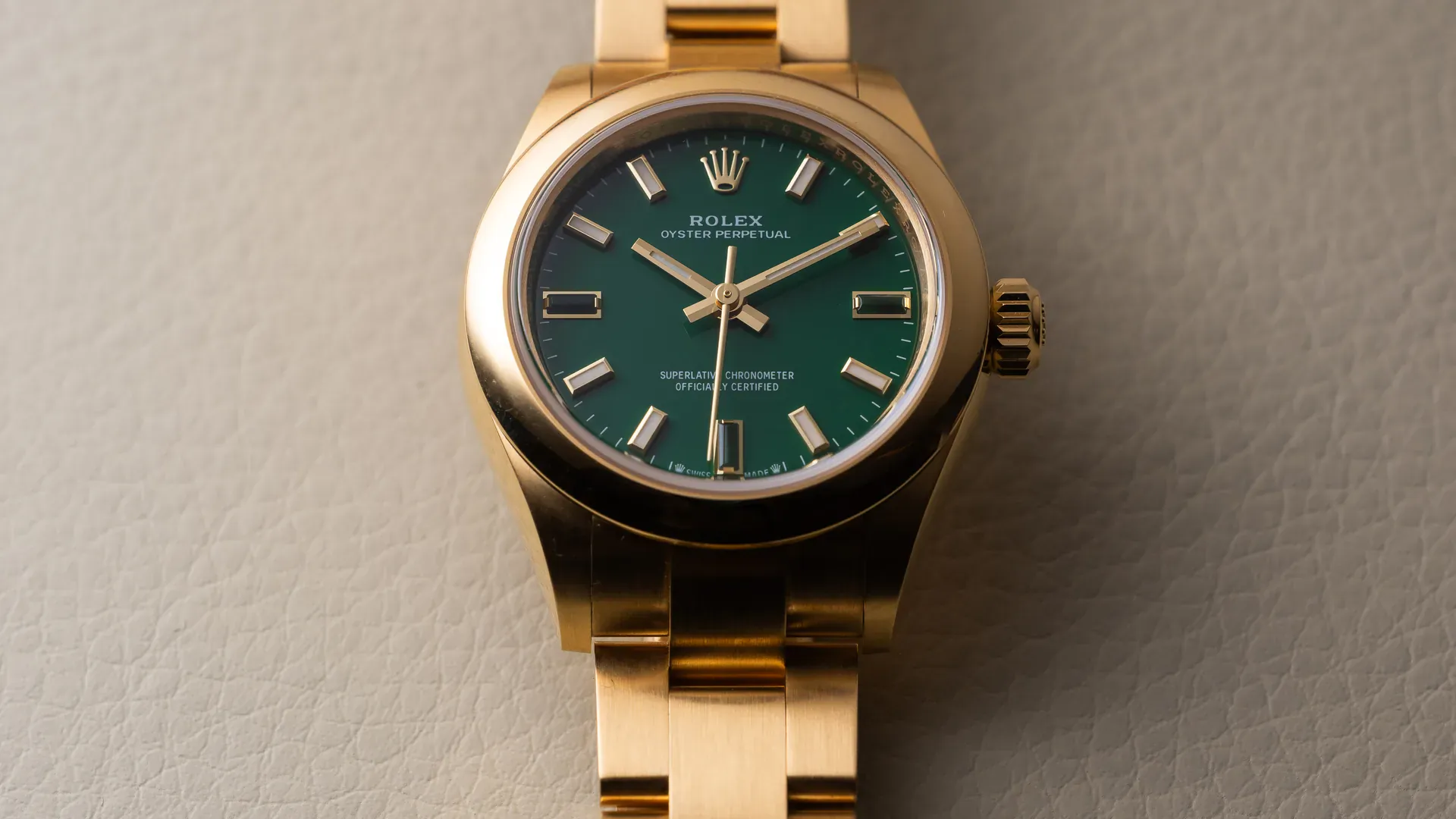
Gen Z watch buyers still spend more on Rolex than any other age group, about 34% of their watch spending in 2026 versus 27% for buyers over 60, according to Chrono24’s transaction data. But they are also pulling back the fastest. At the 2022 peak, buyers under 30 put roughly half of their watch money into Rolex, and that share has since fallen by about 30%.
Chrono24 data shows buyers under 30 put about 34% of their watch spending into Rolex in 2026, more than any older group, but down roughly 30% since the 2022 peak. Dress watches were 12% of Gen Z purchases in H1 2025.
The numbers come from the Chrono24 Rolex Report 2026, published in August and built on several million completed transactions on the marketplace between 2018 and the second quarter of this year, with buyer age taken from account data. Chrono24 treats its under-30 group as predominantly Gen Z. Every age band has eased off Rolex since the boom, but no group has moved as far as the youngest.
Where that money went says more. Chrono24 says younger buyers have moved toward dressier models and a wider set of challenger brands. The report also notes that Patek Philippe and Vacheron Constantin picked up ground above $20,000, a tier where Audemars Piguet is also strong, as Rolex gave back between three and eight points of share across every price segment since 2023.
Where Gen Z Watch Buyers Are Spending
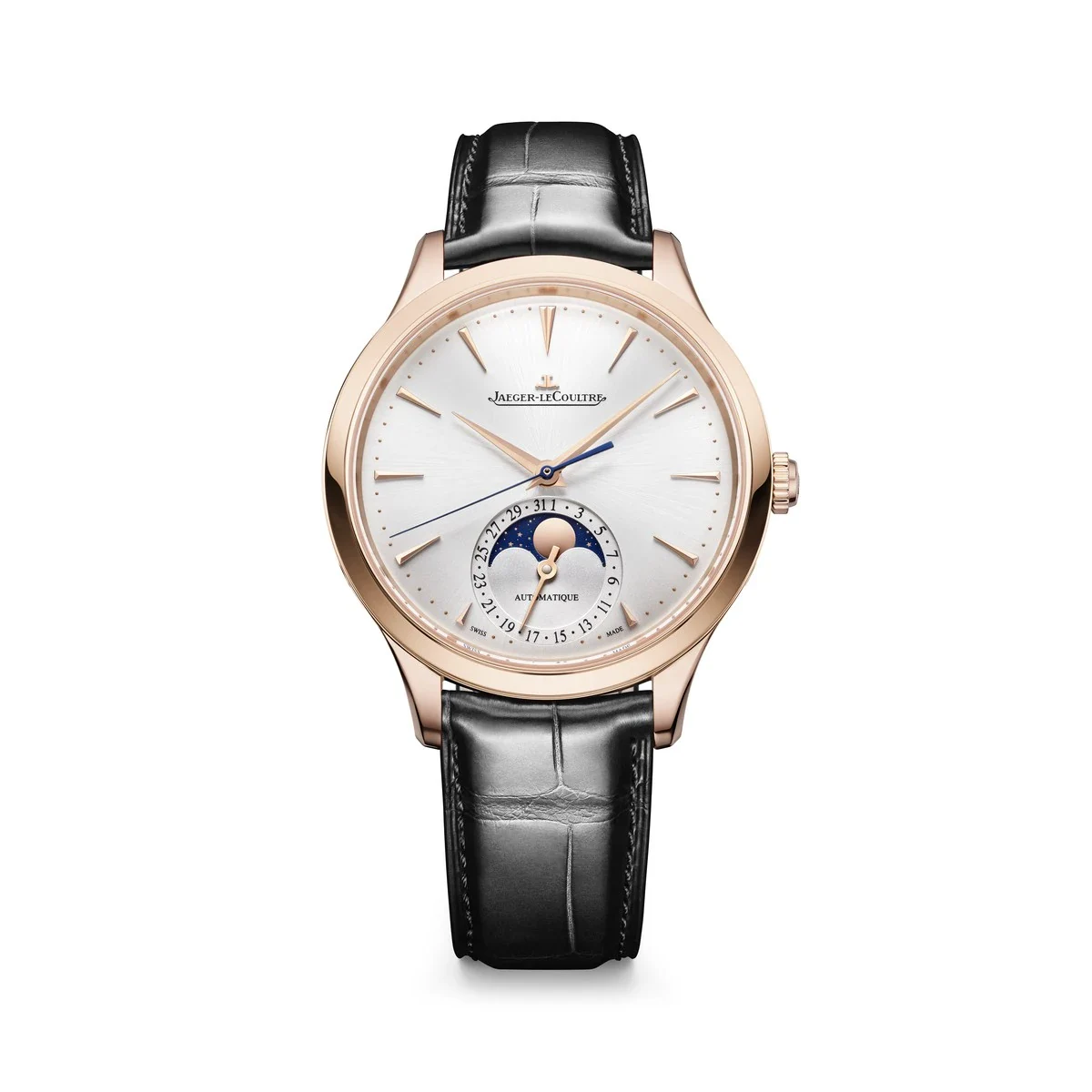
The clearest signal is the dress watch. In Chrono24’s H1 2025 market report, dress watches made up 12% of all Gen Z purchases, the highest share of any demographic, and their share of Gen Z transactions had grown 44% since 2018, against 29% for other age groups. Demand clustered at both ends, between €500 and €2,000 and above €20,000, with less movement in the middle.
Even within Rolex, the youngest buyers lean classic. Chrono24’s May 2025 age study found the Datejust was the model under-30s bought most often relative to other ages, and the 2026 report shows the Datejust has become Rolex’s largest earner on the platform, at about 28% of revenue, as demand rotates away from the sports icons. In my view, that is a generation choosing a watch to wear rather than one to flip.
The same study found that among the ten models under-30s bought at above-average rates, four were Rolex, three were Omega, and two were Cartier, with a Grand Seiko Heritage model rounding out the list. The over-60s, by contrast, lean toward the high end, with three Patek Philippe models in their top ten and the Calatrava as the watch they bought at the most above-average rate.
A Taste for Classic Shapes
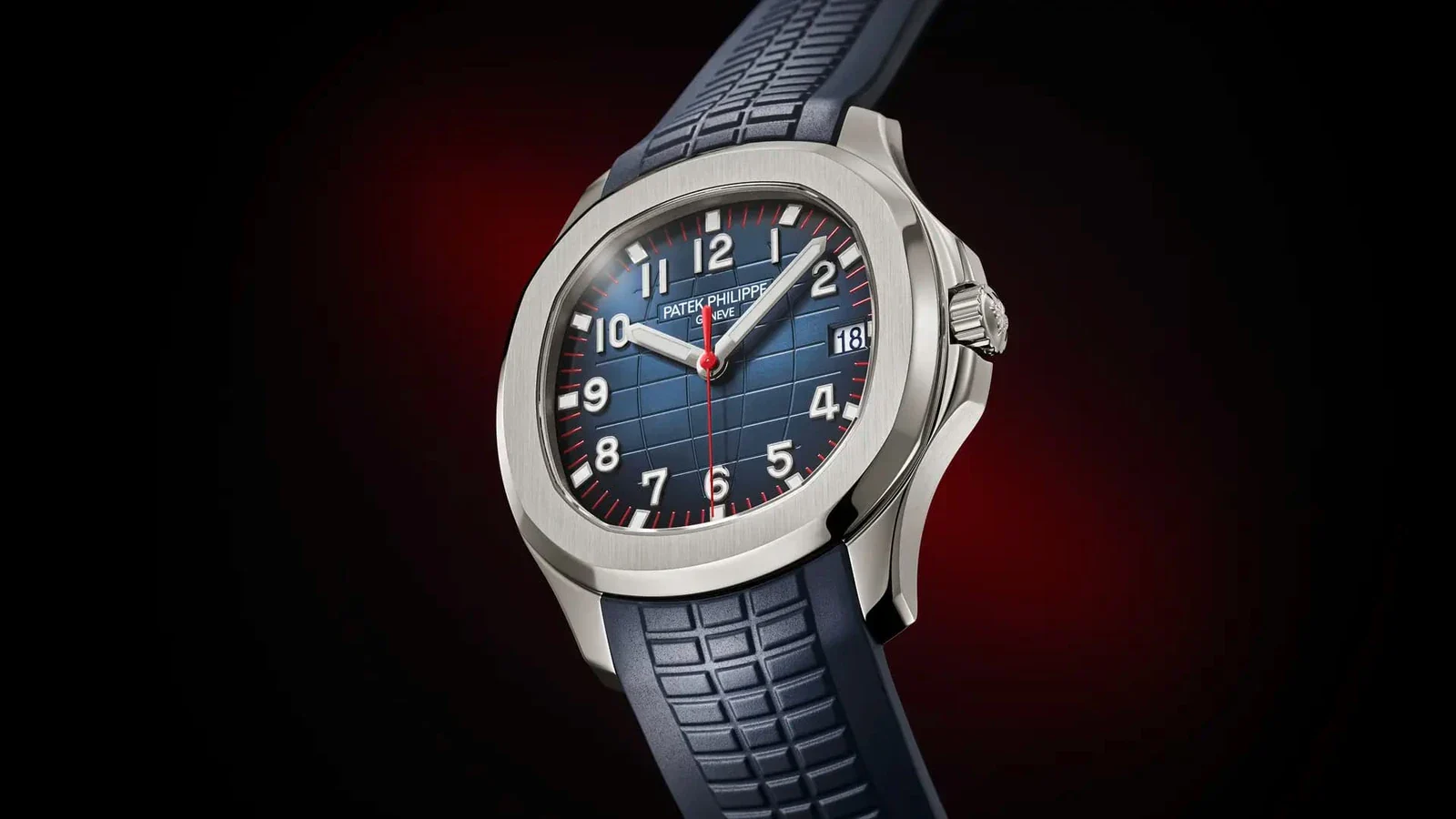
The shift shows up in prices, too. In its Q3 2026 Quarterly Dial, Chrono24 pointed to the Jaeger-LeCoultre Reverso as a standout tied to the broader resurgence of square cases, noting that four of the ten best-performing watches of the past year have one. The data stops short of saying younger buyers drove that, but the direction matches everything else in Chrono24’s age figures.
“Younger buyers drove the boom, and they are the ones now moving to other brands and to classic watches like the Datejust,” says Balazs Ferenczi, head of brand engagement at Chrono24. The full breakdown by age, region, and gender is in Chrono24’s Rolex Report 2026. The youngest collectors have not given up on the crown, but they are widening the field.
Timely FAQs
How much do Gen Z watch buyers spend on Rolex?
Do Gen Z buyers prefer dress watches?
Which Rolex do younger buyers buy most?
Where does Chrono24's buyer-age data come from?
