The Swiss watch industry exported about 14.6 million wristwatches in 2025, 43% fewer than in 2016, yet their value rose 34% to roughly CHF 24.4 billion. That is Deloitte’s reading of the Federation of the Swiss Watch Industry’s figures, and what connects those two numbers is price: the average export price climbed 133% over the same period, to CHF 1,672 per watch.
Switzerland exported 14.6 million wristwatches in 2025, 43% fewer than in 2016, but their value rose 34% to CHF 24.4 billion, Deloitte reports from FH data. The average export price climbed 133% to CHF 1,672 per watch.
The decade-long view is starker still. In 2015, according to the FH’s historical series, Switzerland shipped 28.1 million wristwatches worth CHF 20.2 billion. Ten years later it shipped barely half as many and earned about CHF 4.2 billion more. Any watchmaking country would take that trade, but Deloitte’s 2026 study warns that it masks a structural risk for the companies that supply the parts.
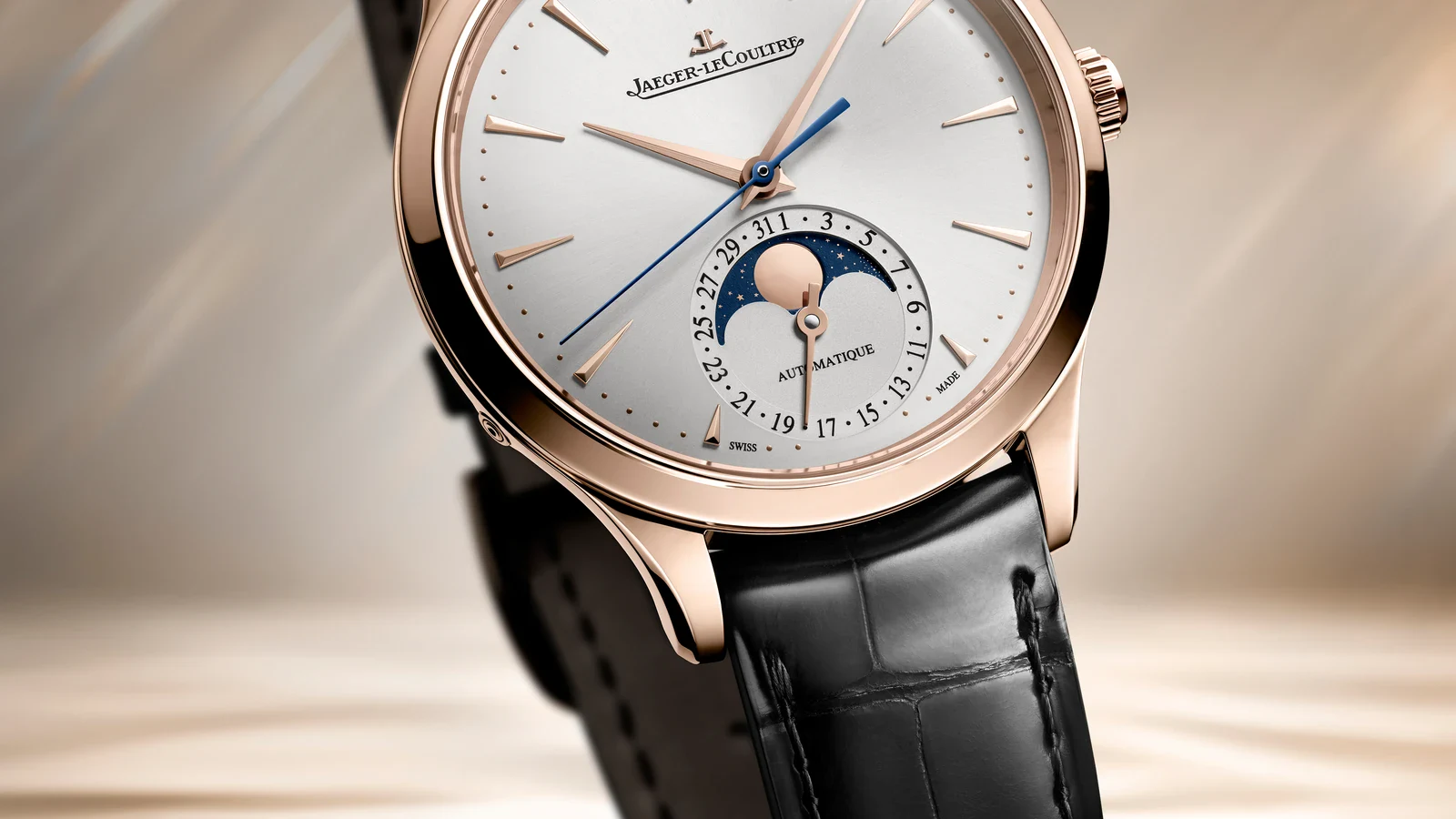
Inside the Swiss Watch Industry’s Price Shift
The FH’s price-point data shows where the value now sits. Watches with an export price above CHF 3,000 made up about 12.8% of the units Switzerland shipped in 2025, roughly 1.87 million pieces, but accounted for CHF 19.5 billion, or about 80% of total wristwatch value. In 2015 that same top tier made up about two-thirds of the value. Watches under CHF 200 still made up 57% of units, but less than 3% of value.
It is the bracket closest to the houses that anchor Haute Time’s coverage, from Rolex, Patek Philippe, and Audemars Piguet to Vacheron Constantin, Jaeger-LeCoultre, Richard Mille, and F.P. Journe. The FH cautions, though, that its figures are consolidated exports, not retail sales, and cannot reflect the results of any single company, so the statistics cannot rank one Maison against another.
Deloitte’s survey of 42 supplier and component executives shows the same split in sentiment. Some 90% were positive on the outlook for the most expensive high-end watches over the next twelve months, and 50% on luxury watches, while 71% were negative on entry-level watches and 52% on the mid-range. In my view, that gap is the clearest sign that the industry’s center of gravity has moved upmarket for good.
What 2026 Shows So Far
The squeeze is real for the people who make the parts. According to Deloitte, 43% of suppliers see the long-term fall in export volumes as a major structural risk, and another 36% say it creates pressure that must be offset with higher-value work and innovation. Weaker foreign demand was their most cited risk for the next year, at 43%, ahead of the strong Swiss franc at 38%.
This year has been kinder than 2025, when total Swiss watch exports fell 1.7% to CHF 25.6 billion. Through September, the FH counts 11.1 million wristwatches exported, up 5.5%, worth CHF 18.6 billion, up 2.8%. September alone rose 11.7%, the fourth straight month of growth, helped by an 85.7% jump to the United States that the FH attributes to a favorable base effect.
The monthly data is published on the Federation of the Swiss Watch Industry’s statistics page, with October figures due November 19. Even with volumes ticking up this year, the shape of the business is settled. Switzerland makes far fewer watches than it did a decade ago, and it is earning more from each one than ever before.
Timely FAQs
How many watches did Switzerland export in 2025?
Why is the Swiss watch industry making more money from fewer watches?
How are Swiss watch exports doing in 2026?
What share of Swiss watch exports are priced above CHF 3,000?
