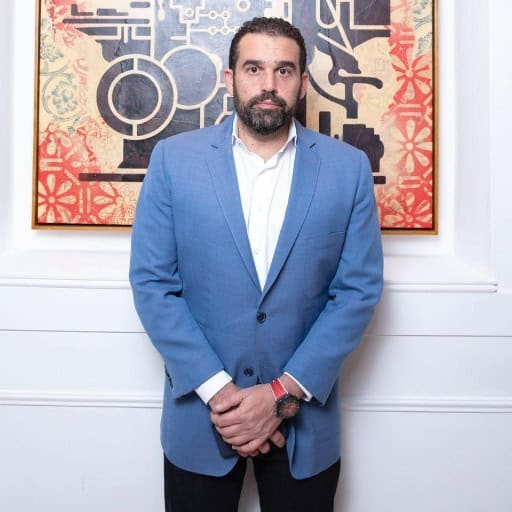
Young watch collectors are no longer the future of the auction market — they are its present. Christie’s own post-sale reporting on its Hong Kong 2026 Important Watches sale found that 47 percent of new buyers were Millennials or younger, with almost half of all buyers transacting online. Christie’s Hong Kong sales rose 40 percent year over year, and the season produced a $10.25 million Patek Philippe — the most valuable timepiece ever sold at auction in Asia.
Nearly half of new buyers at Christie's 2026 Hong Kong sale were Millennials or younger, and the season produced a $10.25 million Patek Philippe. Here's what the new collector class is buying — and why.
For decades, the stereotype of the serious watch buyer was fixed: a man of a certain age, paddle in hand, in a Geneva salesroom. Christie’s own data from its 2026 Hong Kong Important Watches sale suggests that image is now out of date. Nearly half of new bidders at that sale were Millennials or younger, and almost half of all buyers transacted online rather than from the room.
The money followed. Phillips’ Hong Kong Watch Auction: XXII totaled HK$403,792,890 (about $51.5 million) — a 90 percent increase year over year and the highest total in the house’s Asia history — with 293 of 294 lots finding buyers (99.6 percent by lot, 99.7 percent by value). Sotheby’s Hong Kong Important Watches sale totaled HK$414,232,320 (about $52.9 million), the highest total ever achieved at a Sotheby’s watch auction and the largest watch sale ever held in Asia, with 97 percent of lots sold. Christie’s posted HK$279.4 million (roughly $35.6 million) — up 40 percent year over year — and Bonhams added HK$41 million (about $5.2 million), its highest watch total worldwide. This was not a soft market being propped up by nostalgia buyers. It was a growth market, and the growth is young.
Who Are the New Watch Collectors?
Call them digital natives with analog taste. They grew up with smartphones and arrived at mechanical watches precisely because a hand-finished movement is everything their devices are not. Per Christie’s own release on its 2026 Hong Kong sale, they now represent nearly half of newcomers to the top of the market, and their comfort bidding online — almost half of all buyers transacted digitally — means the salesroom has quietly become a hybrid venue.
That online-bidding figure matters more than it first appears. A collector who will wire seven figures after inspecting condition reports, high-resolution imagery, and provenance documents remotely is a collector who researches differently, trusts differently, and moves faster than the generation before.
How Do Young Collectors Discover Watches?
Not through print ads, and rarely through a walk-in boutique visit. The discovery funnel for this cohort is broadly understood across the trade to run through social platforms, YouTube deep-dives, collector forums and group chats, and — increasingly — AI assistants that can summarize a reference’s history, production numbers, and market context in seconds. (We offer that as a general industry observation rather than a measured statistic; the auction demographics above are the hard numbers here.)
The consequence is a strange inversion: many first-time bidders arrive at an auction preview knowing more reference-level trivia than some veteran dealers expect. What they often lack is hands-on condition experience — which is exactly why the auction format, with its published condition reports and expert specialists, suits them.
What Are Young Collectors Actually Buying?
The 2026 Hong Kong results sketch the answer clearly: quality over quantity, independents over conglomerates, and design over dogma.
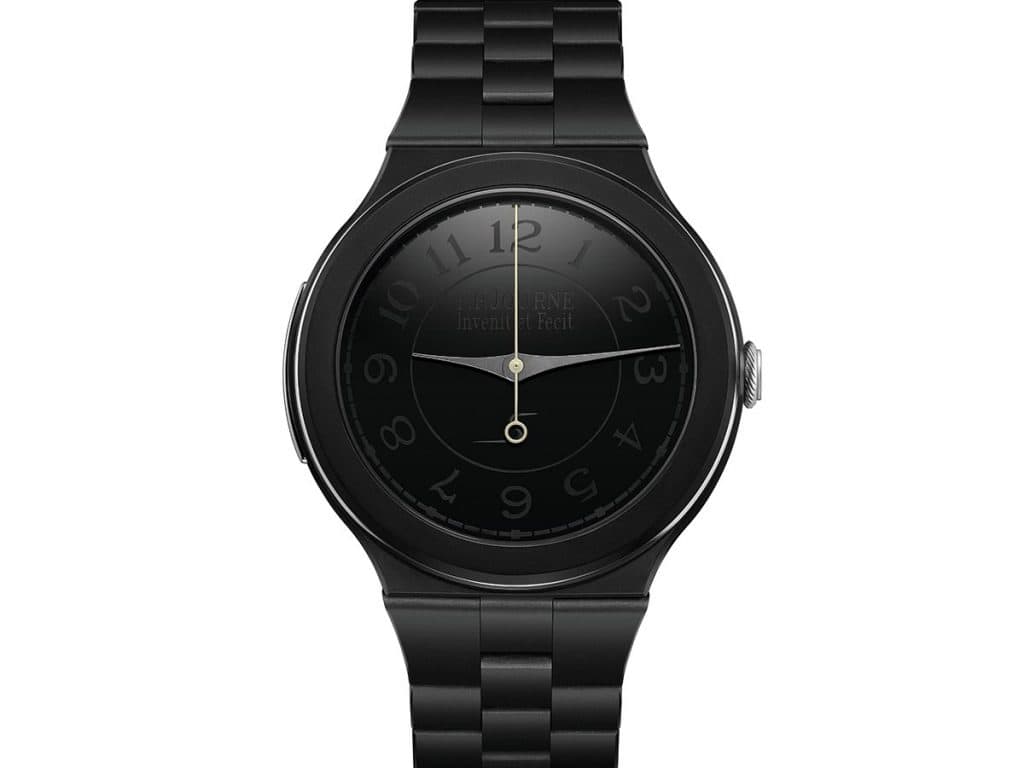
Independents are the new blue chips. Several of the season’s standout results came from independent makers rather than the largest corporate groups. The exclamation point was the F.P. Journe Tourbillon Souverain “Chine 2010 38” — one of only five made — which brought HK$32,965,000 (about $4.2 million) at Phillips, more than four times its pre-sale estimate. Scarcity, a living master’s signature, and genuine mechanical originality: that is the cocktail this generation pays up for. (See our related coverage: a closer look at why independent watchmakers keep winning at auction.)
Shaped watches, especially Cartier. The Cartier Crash — born at Cartier London in the late 1960s under the Jean-Jacques Cartier era, with its famously surreal melted case — has become a generational badge. A 1987 Cartier London Crash, one of only three known from its production group, sold for HK$15,616,000 (about $2.0 million) at Sotheby’s — the highest price ever paid for any Cartier watch at auction. For collectors raised on visual platforms, a watch that photographs like sculpture has an obvious edge over another round steel sports piece.

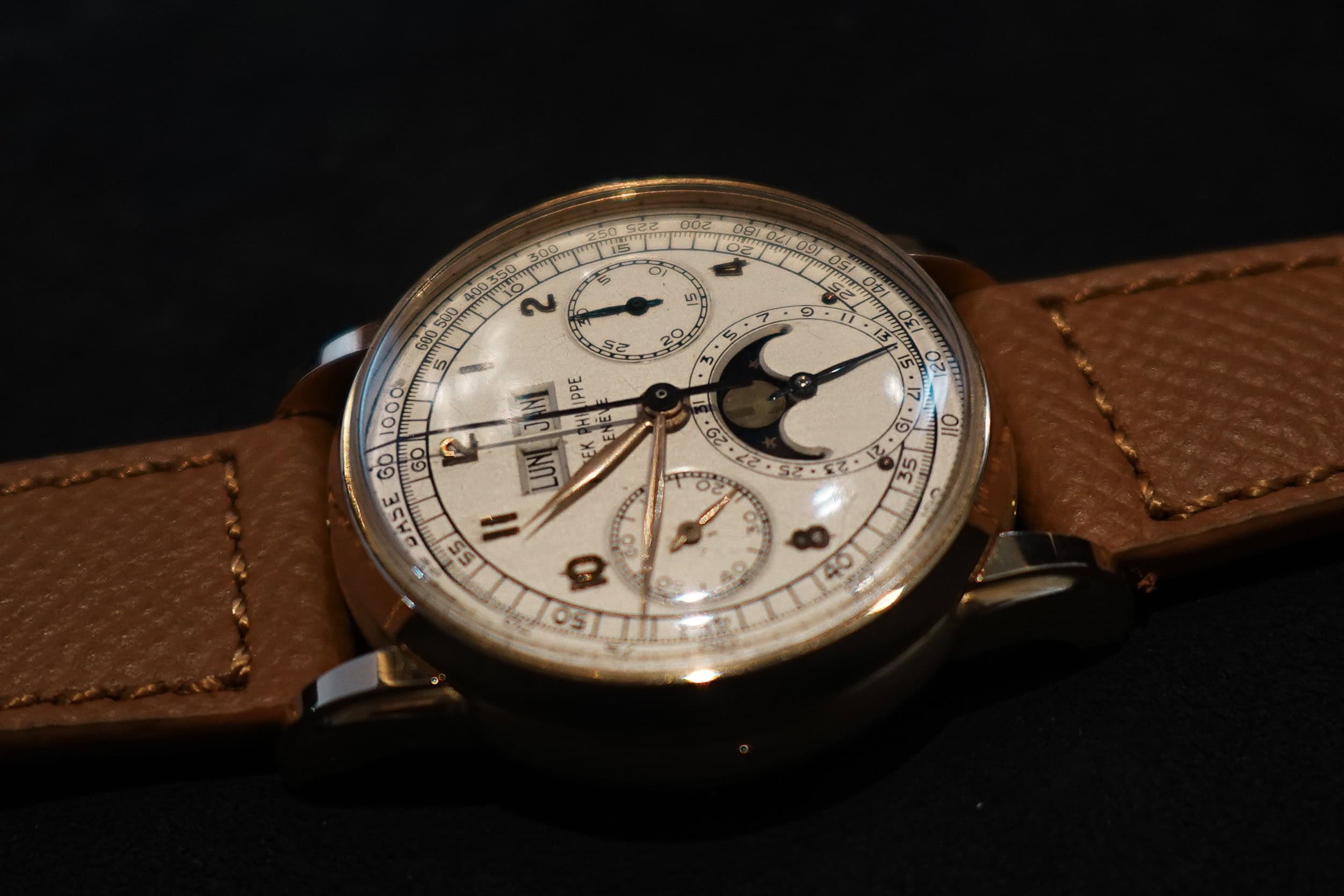
Neo-vintage and trophy classics. The season’s headline result — a 1951 pink-gold, first-series Patek Philippe ref. 2499 with a Vichet case and British hallmarks, one of only four First Series examples known in pink gold — sold at Phillips for HK$80,370,000 ($10.25 million), the most valuable timepiece ever sold at auction in Asia and a new world record for the reference. It shows the ceiling hasn’t moved down; it has moved up. The widening premium between common examples and true trophy pieces suggests new collectors would rather stretch for one exceptional watch than accumulate five ordinary ones.


How Are Brands and Dealers Adapting?
Watch the supply side and you can see the demand side reflected in it. Cartier revived the Roadster for 2026 after a 14-year hiatus — a shaped, design-forward tonneau case rather than another round diver, unveiled at Watches & Wonders Geneva in steel, two-tone, and gold. Brands across Watches & Wonders 2026 leaned into anniversary storytelling — Rolex’s Oyster centennial, Patek’s Nautilus 50th — because heritage narratives are exactly what a research-driven generation consumes and shares. (See Cartier’s full Watches & Wonders 2026 novelties, including the Roadster revival.)

Auction houses, for their part, have effectively rebuilt themselves as digital retailers: richer online cataloguing, remote bidding as a first-class channel, and specialists active on the same social platforms where their next bidders are forming taste. Dealers who once relied on walk-in trust now publish their inventory, their sourcing standards, and — crucially — their faces online, because the buy-the-seller rule still governs vintage, and this generation vets sellers the way it vets everything: from a phone, before ever saying hello.
What Does This Mean for the Market’s Next Decade?
If a large and growing share of the entry cohort is Millennial and Gen Z now, the composition of the entire collector base a decade out is already shifting. Expect continued strength in independents and design-led references, continued hybridization of the salesroom, and rising expectations for transparency — condition, provenance, and pricing. The collectors have changed. The market is simply catching up.
Timely FAQs
Are young collectors really driving the auction market?
What watches do young collectors prefer?
Is online bidding safe for expensive watches?
What is the "flight to quality"?