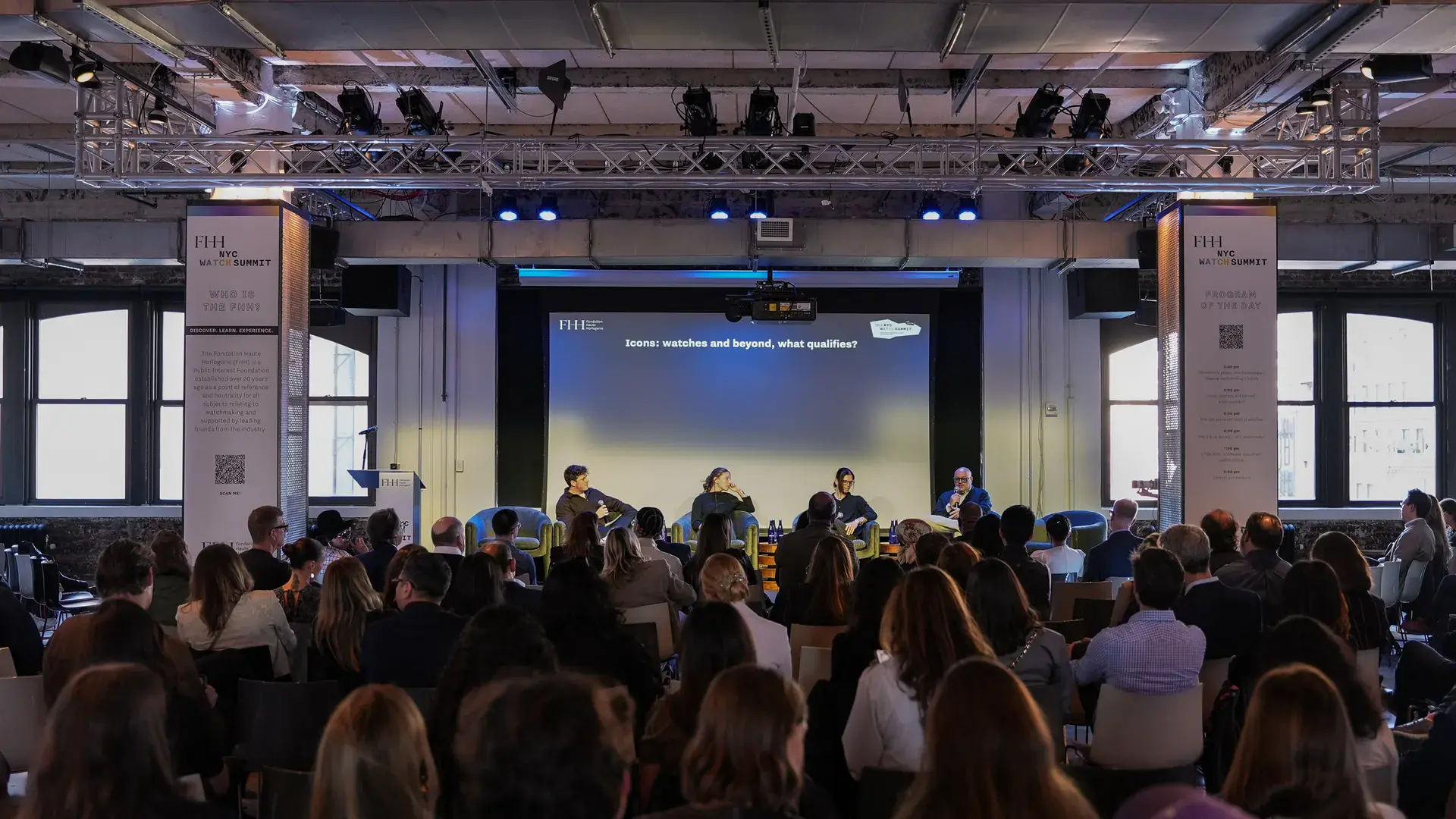
The United States is now the biggest stage in watchmaking, and the industry wants to know how long that lasts. That question framed the second Fondation Haute Horlogerie (FHH) US Watch Summit, which drew more than 400 attendees to NeueHouse Madison Square in New York on October 15. Across four panels and a closing conversation on the city’s own collecting culture, the FHH summit offered a useful read on the US watch market 2026 is shaping up to be: confident, culturally driven, and acutely aware of the pressures ahead.
The Fondation Haute Horlogerie held its second US Watch Summit at NeueHouse Madison Square in New York on October 15, 2026, drawing more than 400 attendees for panels on education, icons, value, and the sustainability of America's lead as a watch market.
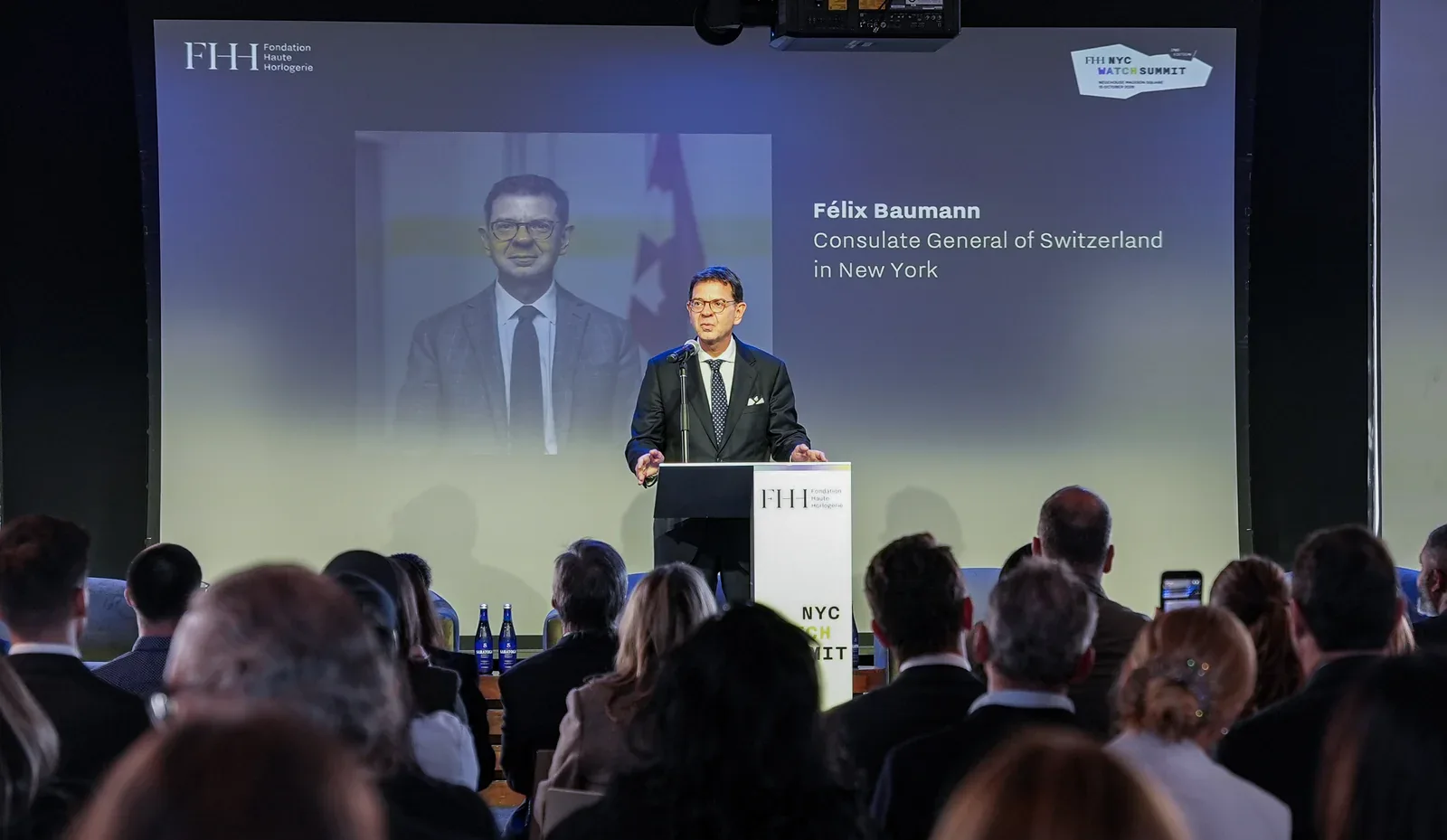
The day opened with remarks from Ambassador Felix Baumann, Consul General of Switzerland in New York, on the ties between Swiss watchmaking and its most important export market. Those numbers have been central to our own coverage this year, and our recent look at total Swiss watch exports showed just how much the industry now leans on American demand.
How Long the US Watch Market 2026 Lead Can Last
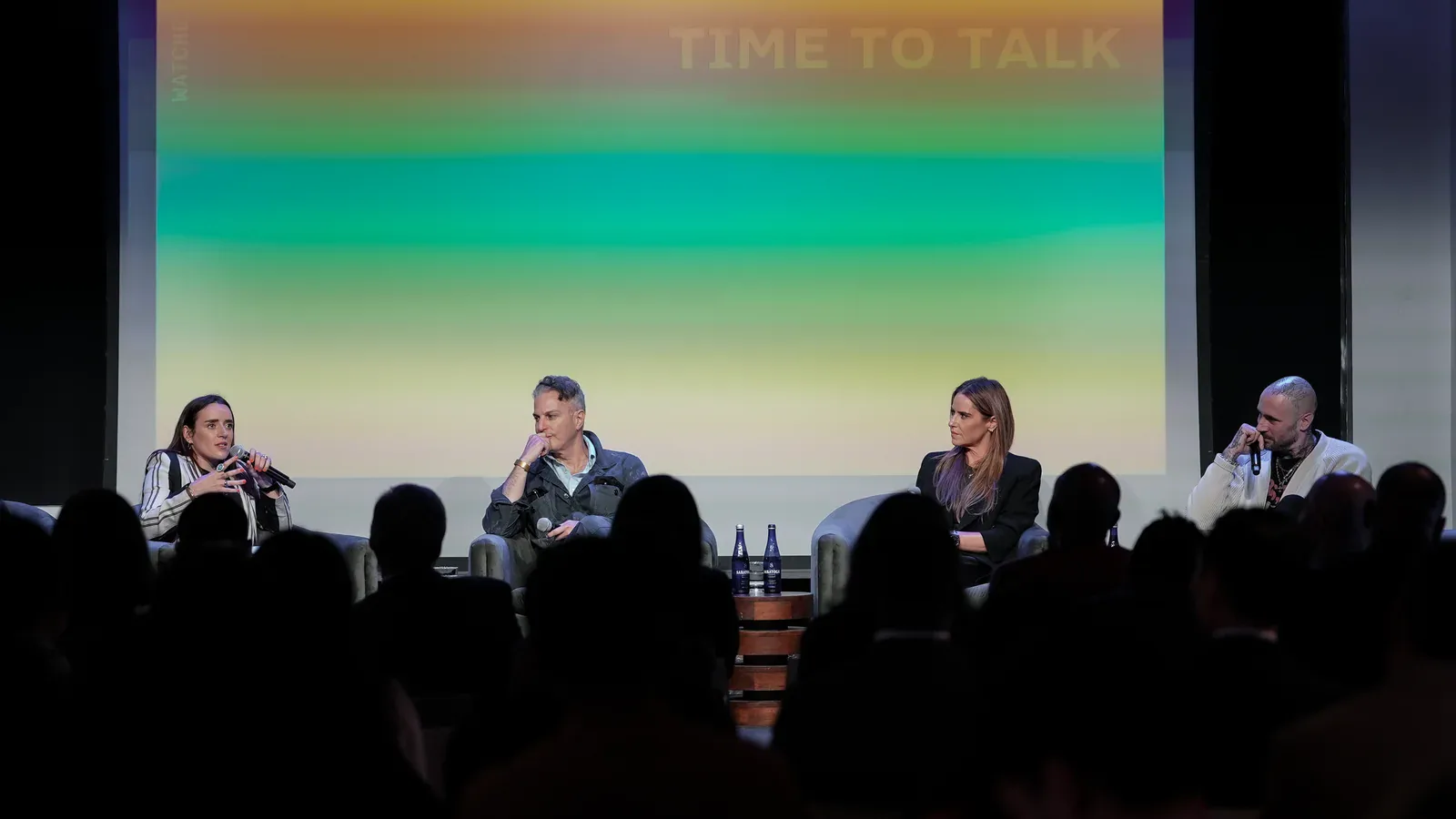
The evening’s headline panel, “The US at the Top: Is It Sustainable?,” was moderated by Stephen Pulvirent, a member of the FHH Cultural Council, with collector Fred Savage, editors James Stacey and Paige Reddinger, and Thierry Prissert, chairman of Breitling’s House of Brands North America. Savage, who founded Timepiece Grading Specialists, put it neatly: “The Swiss excel at making extraordinary watches. American collectors, meanwhile, excel at making them part of their culture.” The panel also stressed that the American market is not one market at all, with New York, Los Angeles, and Miami each running on its own collecting communities and tastes.
Value was the other recurring thread. A panel moderated by TanTan Wang, with Dimepiece founder Brynn Wallner, Mark Kauzlarich, and retailer Derek Mon of Carat & Co, asked what a watch is worth when rising prices are forcing buyers to rethink. “Price is what this item costs you, but the value could mean all the enjoyment you get,” Mon observed. The discussion touched on independent microbrands, the growing secondary market, and buyers’ rising expectations around transparency, all themes that echo what younger shoppers told researchers in our story on Gen Z watch buyers.
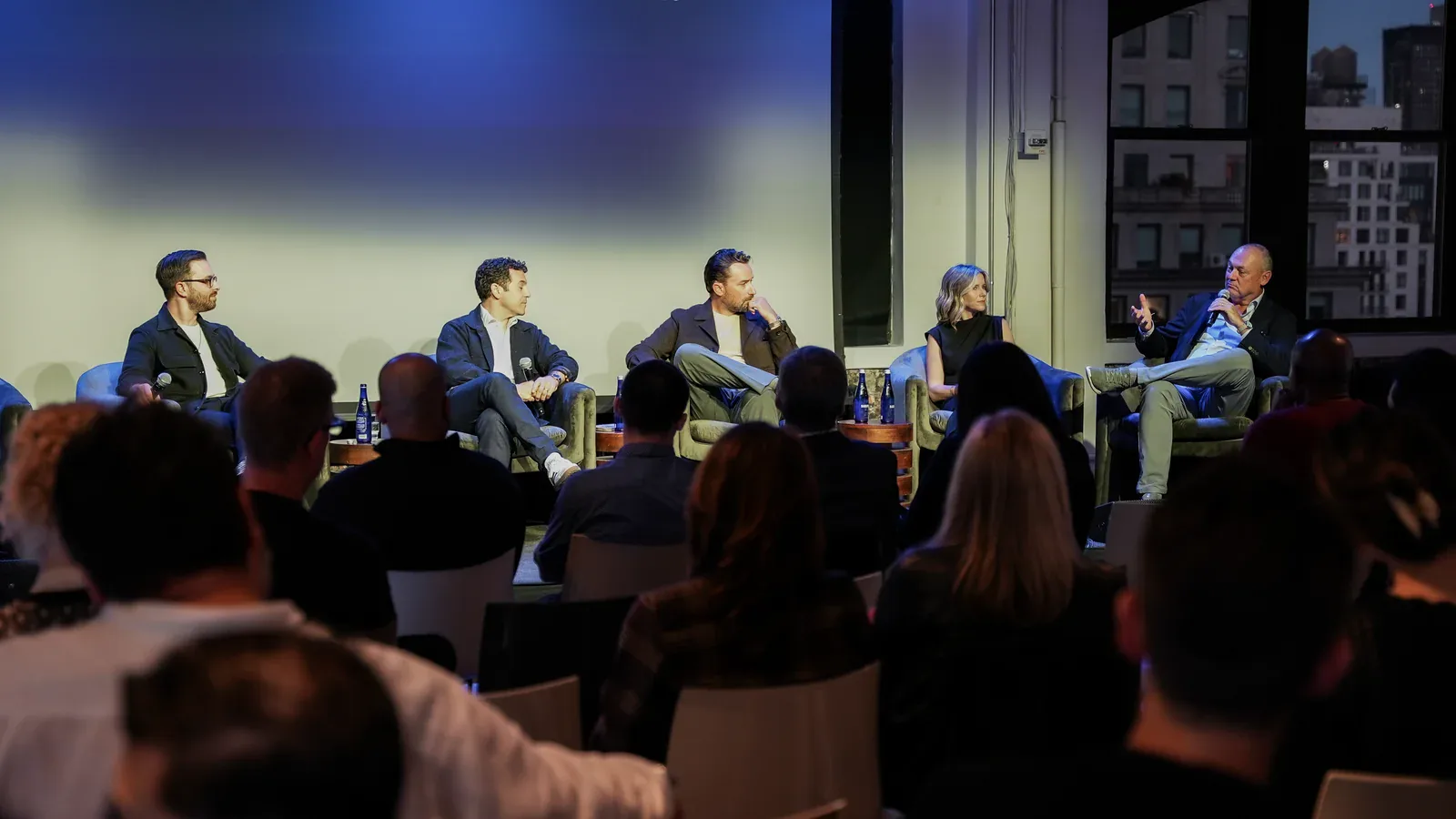
Education got its own spotlight. NYU Stern’s Thomaï Serdari led a session with Christophe Massoni, president and CEO of Richemont Americas, Johanna Levy of the Gemological Institute of America, and FHH vice president Pascal Ravessoud. “AI for us is an opportunity to amplify human talent, but not to replace it,” Massoni noted. The most concrete news of the day came from that panel: starting in March 2027, the FHH will offer watchmaking courses at the GIA campus in Carlsbad, California. A panel on icons, moderated by Cam Wolf with Malaika Crawford, Paul Heavener, and William Massena, and a closing talk led by Scarlett Baker with Courtney Bachrach, Maxime Plescia-Büchi, and artist Phil Toledano rounded out the program.
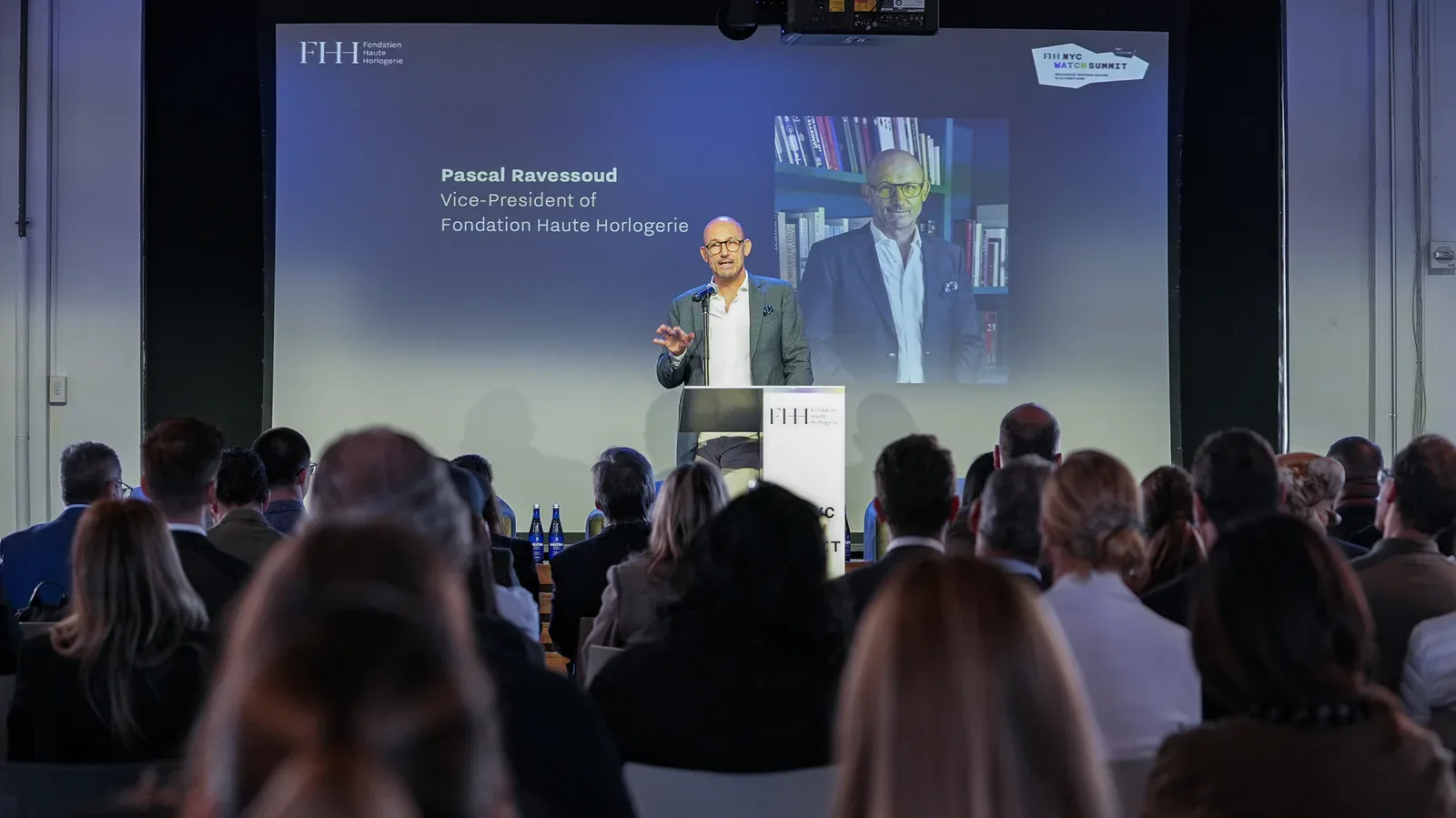
Ravessoud did not sugarcoat the backdrop, pointing to “significant headwinds, from the strong Swiss franc and rising gold prices to luxury fatigue and geopolitical tensions.” Our take: the summit’s real signal is that Swiss brands now see American collectors as cultural partners, not just customers. Brands including Breitling, Bulgari, Cartier, Chopard, IWC Schaffhausen, Jaeger-LeCoultre, Oris, and Van Cleef & Arpels sent teams to listen. In a year of headwinds, that may be the smartest investment the industry makes in its biggest market.
Timely FAQs
When and where was the FHH Watch Summit?
How many people attended?
What topics did the panels cover?
What is the Fondation Haute Horlogerie?
