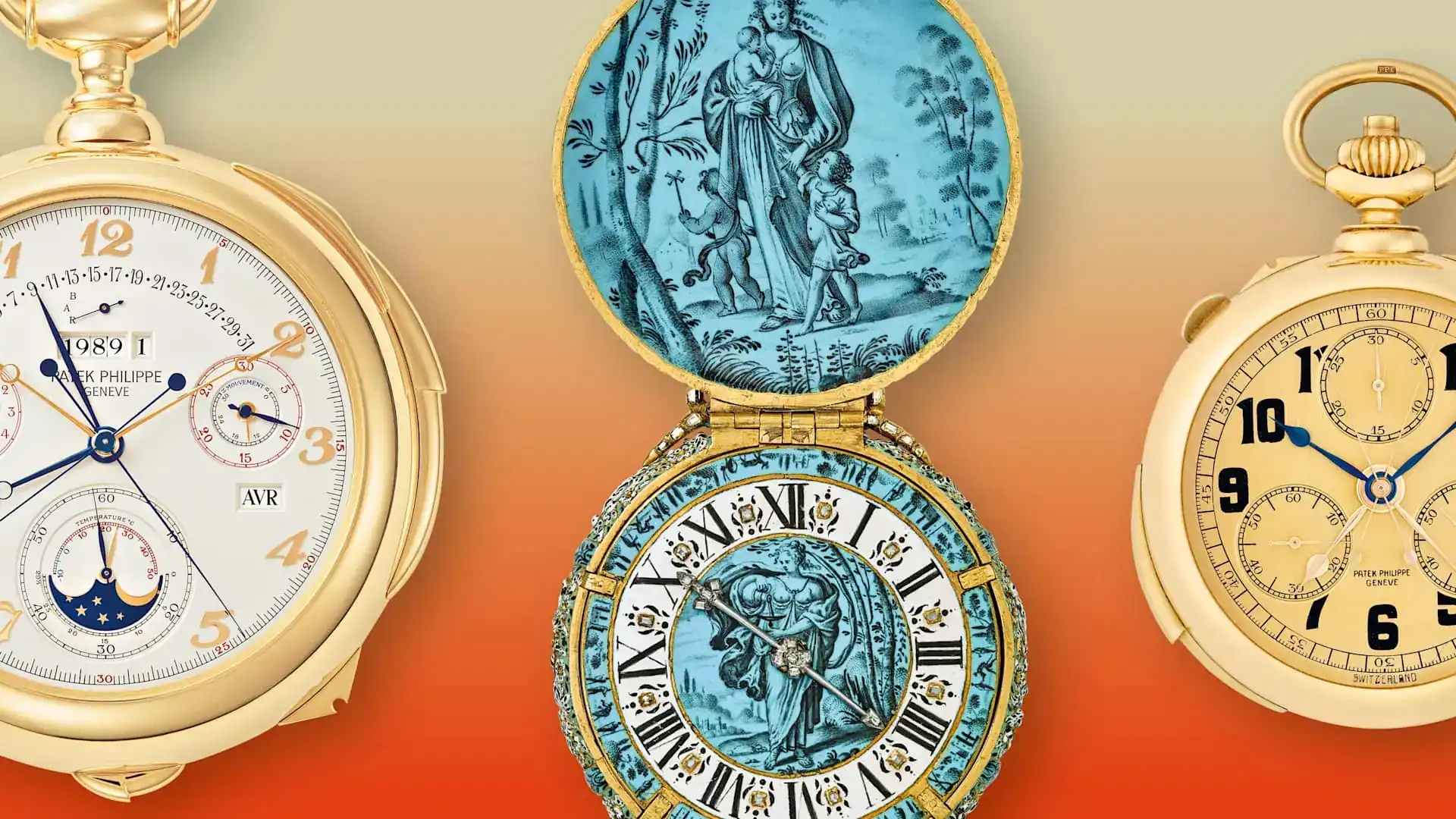
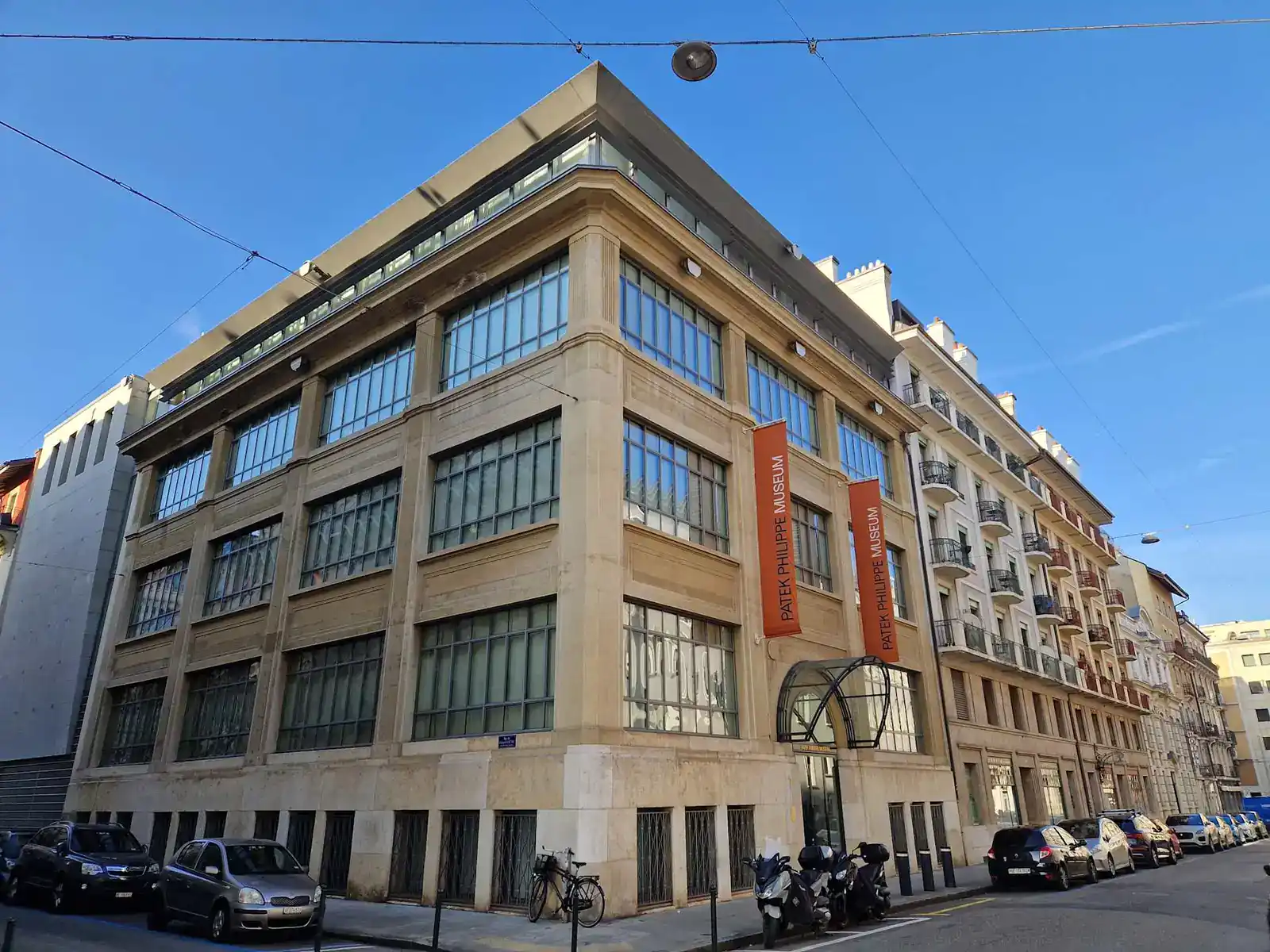
The Patek Philippe Museum in Geneva is 25 this year, and it still feels like what Philippe Stern meant it to be: a public room for a private passion. He founded the museum and opened it in November 2001 at Rue des Vieux-Grenadiers 7, in a restored Art Deco industrial building in Plainpalais, to share a collection he had been assembling for decades.
The Patek Philippe Museum in Geneva, founded by Philippe Stern and opened in November 2001 at Rue des Vieux-Grenadiers 7, marks its 25th year. It holds around 2,500 timepieces and objects; a Nautilus exhibition is on view until spring 2027.
The official site now remembers him as Philippe Stern (1938–2026), honorary president of Patek Philippe. Around 2,500 watches, automatons, and precious objects span five centuries of Genevan, Swiss, and European craftsmanship, alongside the Manufacture’s own work since 1839.
A Collection Built to Be Shared
When Haute Time marked the museum’s 20th anniversary, the point was already the same: this is not only a museum of one brand. The second floor traces the portable mechanical timepiece from the sixteenth century into the early nineteenth. The first floor is devoted to Patek Philippe. The third holds a library of horology, with enamel portrait miniatures among the attractions on that floor, and the ground floor shows workbenches, antique tools, and the museum’s restoration workshop.
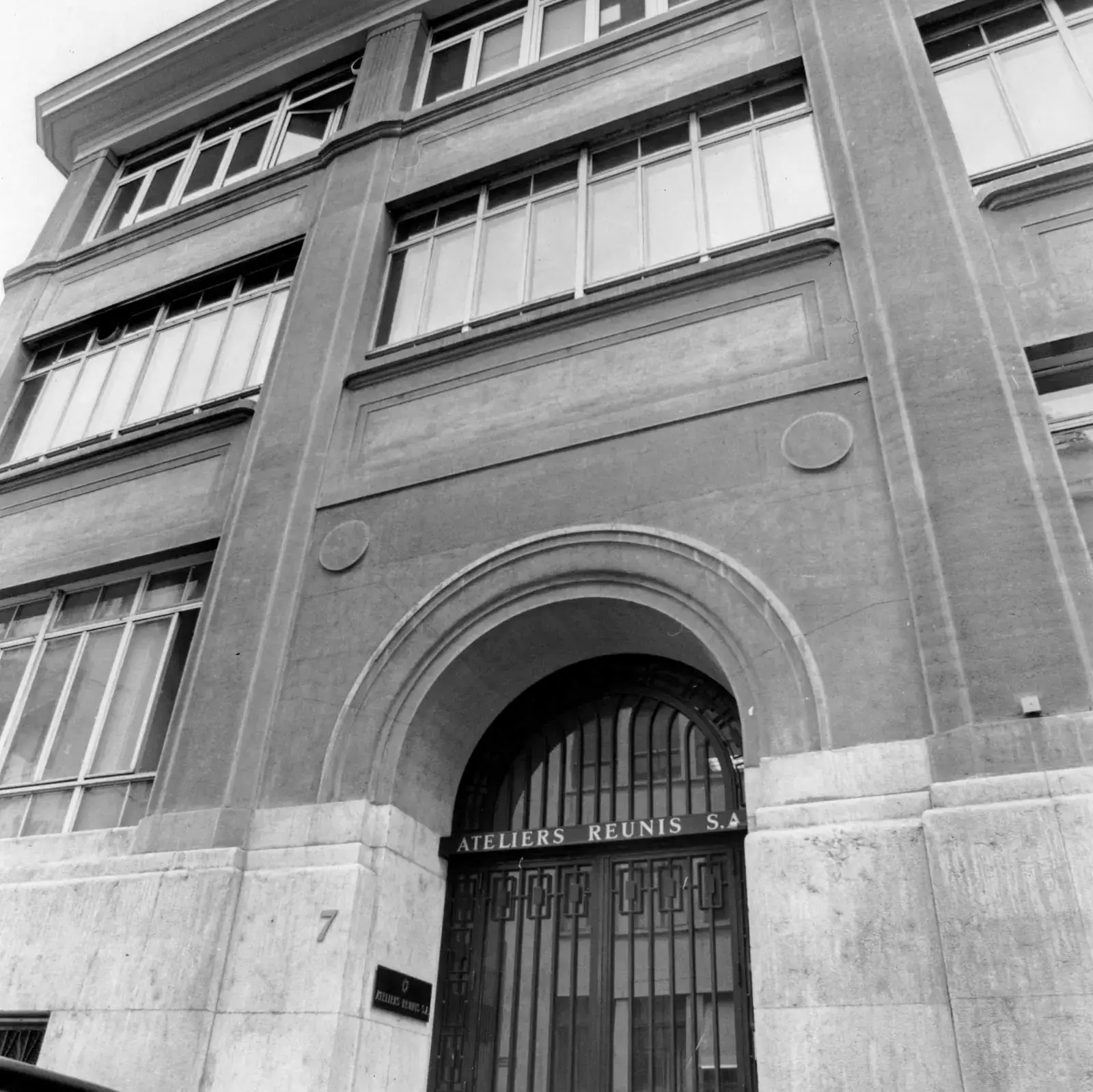
Patek Philippe bought the 1919–1920 building in 1975 for the Ateliers Réunis, where cases, bracelets, and chains were made and traditional Genevan goldsmithing was practiced. After that work moved to Plan-les-Ouates in 1996, the structure was restored and extended between 1999 and 2001, and Gerdi Stern oversaw the interiors, aiming, the Manufacture has said, for the warmth of a private residence.
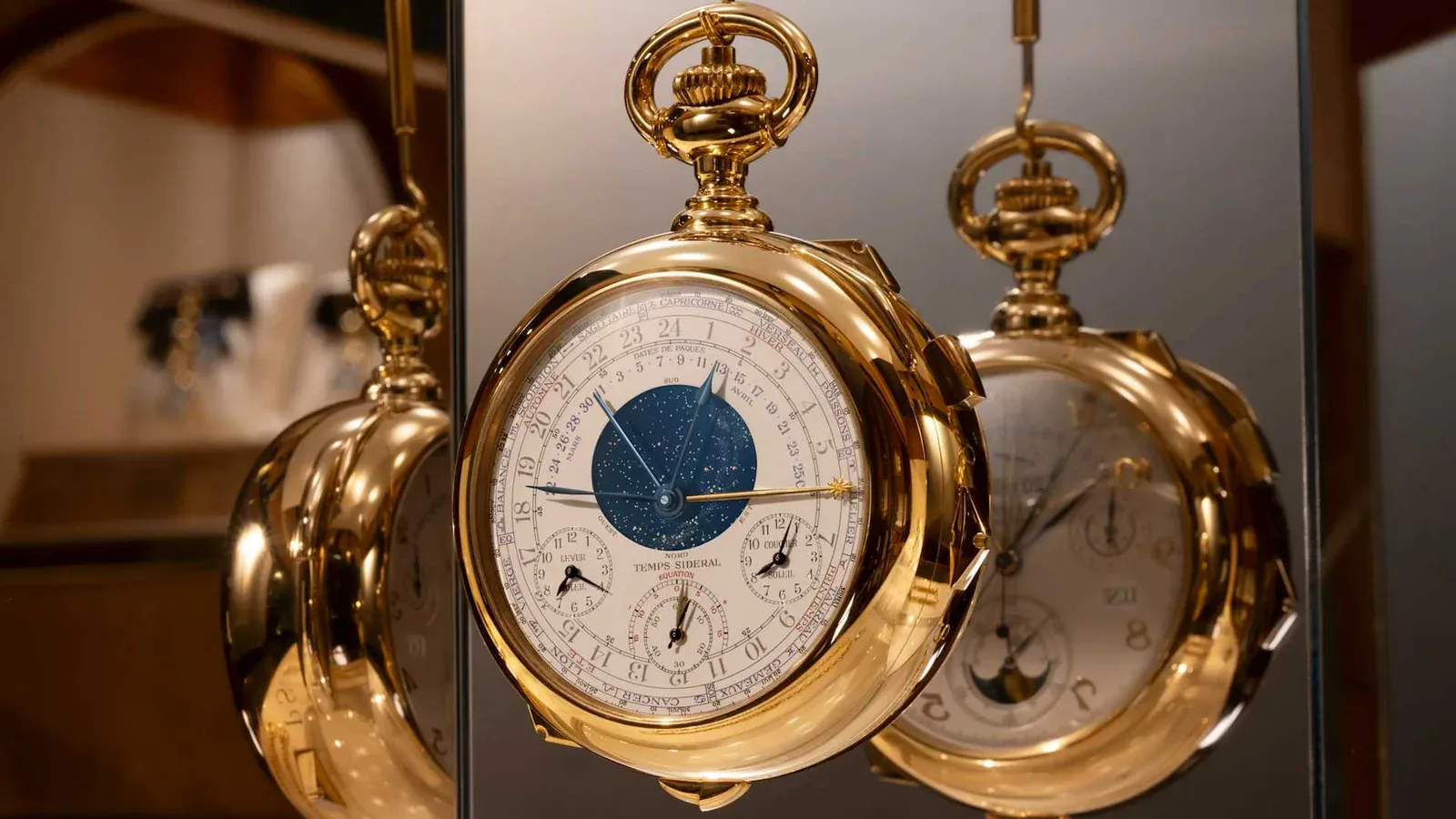
The pieces that stop a first visit are still the ones we would walk toward first. Calibre 89, the double open-face pocket watch with 33 complications made for the Manufacture’s 150th anniversary in 1989, remains the great set piece; Patek Philippe describes it as the most complicated watch in the world when it was unveiled.
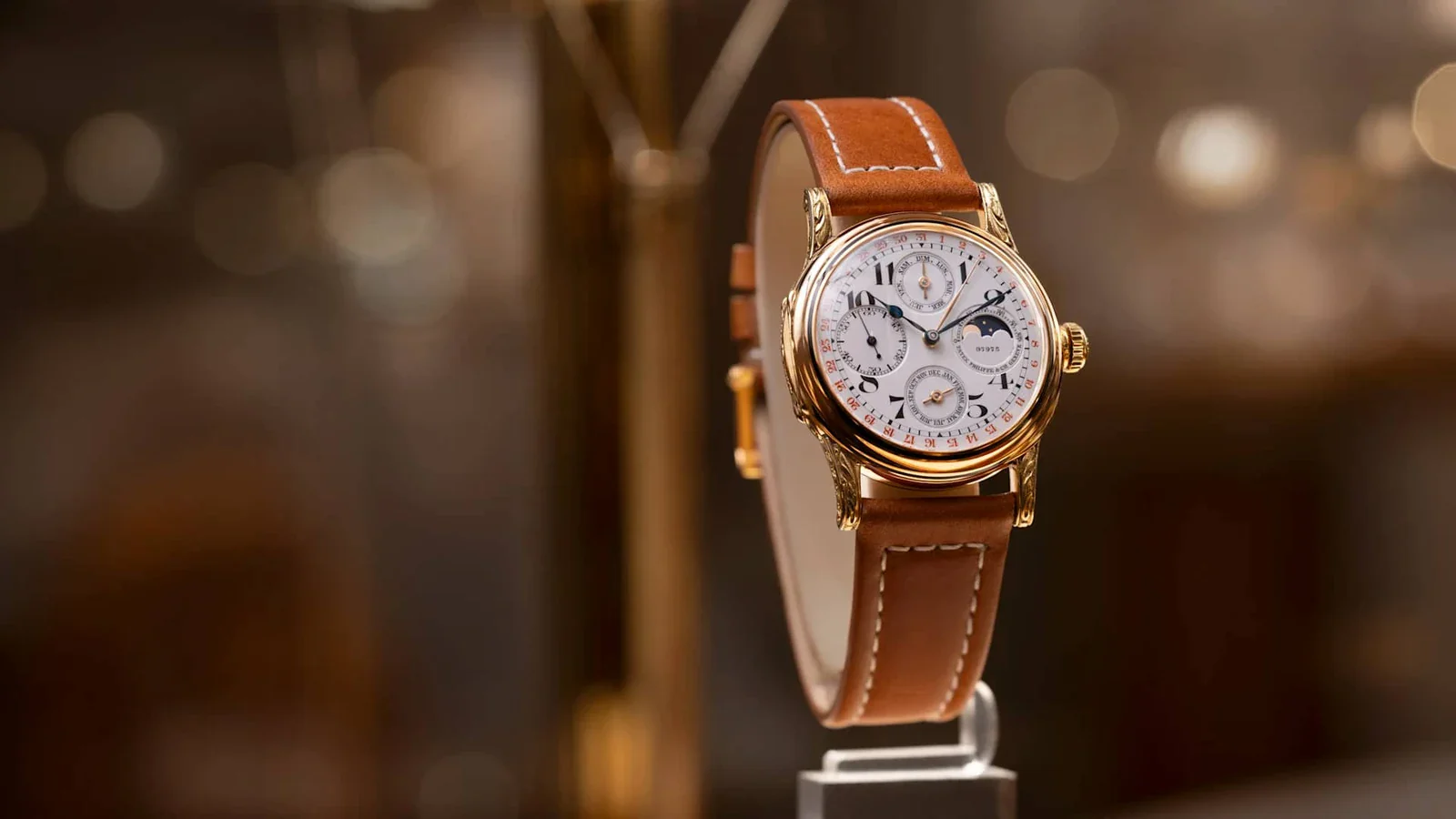
Nearby sits what the museum calls the first perpetual calendar wristwatch, made by Patek, Philippe & Cie. in 1925, and a 1909–1910 pocket watch for the Duke of Regla, its enamel coat of arms still one of the current highlights. More than 90 pieces from these rooms traveled to Milan this October for the Watch Art Grand Exhibition, a useful reminder that the Geneva museum is the source, not a souvenir of the traveling shows.
What to See This Year
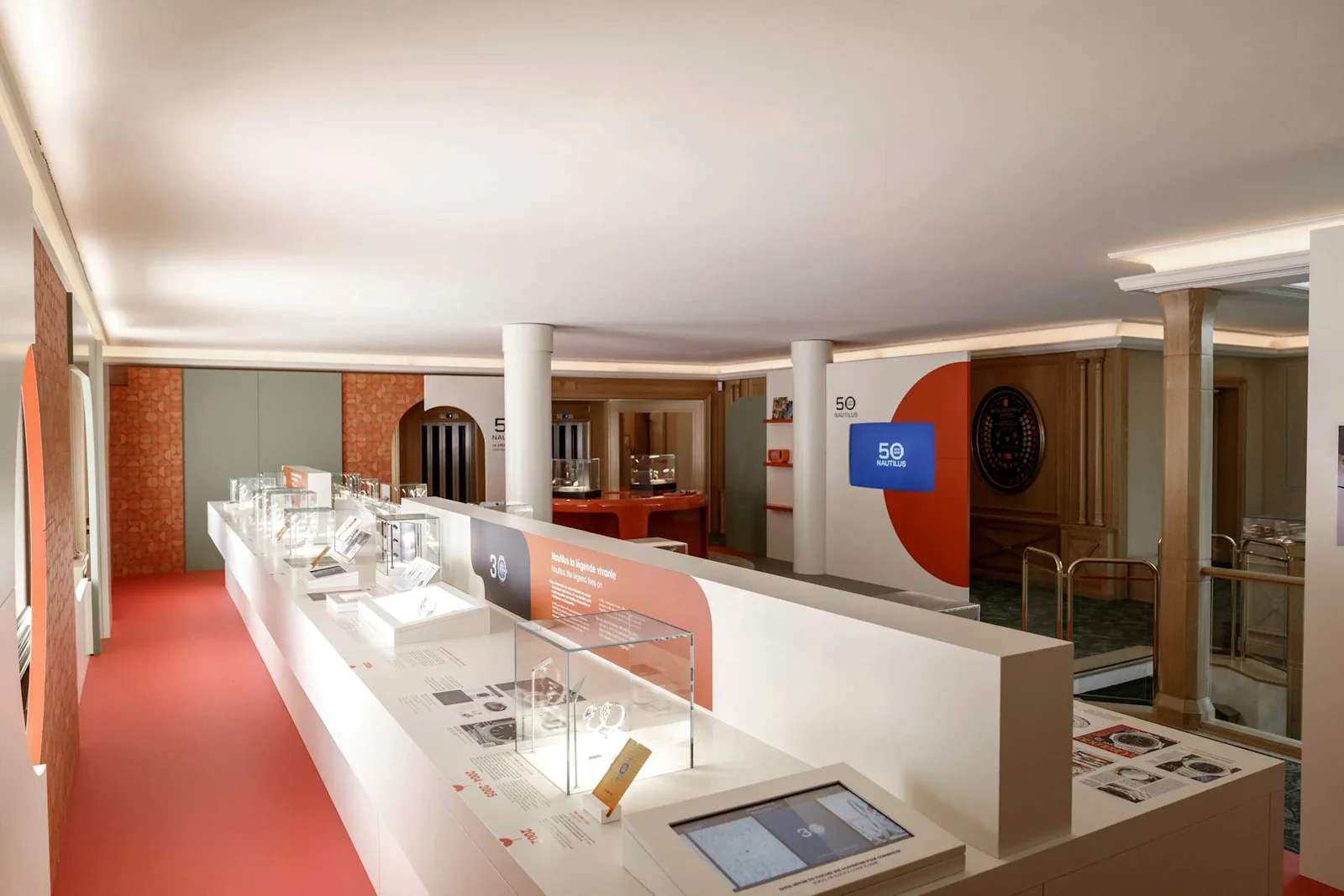
A 25th anniversary exhibition now centers on the museum Stern founded, and on the ten values the Manufacture says define it. On Saturday, November 14, admission was free, with short talks and guided tours through the day. Still on view until spring 2027 is “Fifty Years of an Icon,” which follows the Nautilus from its 1976 debut—an octagonal sports watch whose bezel was inspired by a ship’s porthole—through later chapters, including the special Nautilus Philippe Stern gave his son Thierry for his 20th birthday in 1990.
The collection is still growing. Two double-movement pocket watches made for the American collector John Motley Morehead III, sold in 1922 and 1925, have recently entered the galleries. Dr. Peter Friess, the museum’s curator, will speak in English on “American Patek Philippe collectors during the Art Deco period” on Thursday, November 26, from 7 to 8 p.m., and on Thursday, December 10, from 12:30 to 1:30 p.m. Places are limited, and booking requests go to [email protected].
Planning a Visit
Practicalities reward a little planning. The museum is open Tuesday through Friday and Sunday from 2 p.m. to 6 p.m., and Saturday from 10 a.m. to 6 p.m.; it is closed on Mondays. As of November 18, 2026, it is also due to close on Friday, December 25, and from Tuesday, December 29, through Monday, January 4, 2027. Trams 15 and 18 stop at Plainpalais, a three-minute walk away.
Tickets can be reserved at ticketing.patekmuseum.com or bought at reception even when the online allocation is full. Adult admission is CHF 10, with a CHF 7 rate for visitors the official site lists as AVS or AI holders, unemployed, or students aged 18 to 25; children under 18 enter free, and groups of 10 or more pay CHF 5 a person.
Public guided tours run every Saturday at 3:30 p.m. in French and 4 p.m. in English, with on-site registration half an hour before. Private tours, titled “A legacy of genius,” last about two hours and are booked through [email protected]. Complimentary audio guides in English, French, and German, including a route suggested by Philippe Stern, can be borrowed against a deposit of an identity card or passport.
In our view, the anniversary is less a reason to make a once-in-25-years pilgrimage than a reminder that this is the one Patek Philippe appointment in Geneva that does not depend on an allocation. As Stern put it, “If you want to know the future, you have only to reach into the past.”
| VISITOR INFORMATION |
|---|
| Name: Patek Philippe Museum |
| Address: Rue des Vieux-Grenadiers 7, 1205 Geneva, Switzerland |
| Telephone: +41 (0)22 707 30 10 |
| Website: www.patekmuseum.com |
| Hours (checked November 18, 2026): Tuesday–Friday and Sunday, 2 p.m.–6 p.m.; Saturday, 10 a.m.–6 p.m.; closed Monday |
| Upcoming closures: Friday, December 25, 2026; Tuesday, December 29, 2026, through Monday, January 4, 2027 |
| Admission (official ticketing, November 18, 2026): Adults CHF 10; AVS / AI / unemployed / students aged 18–25 CHF 7; children under 18 free; groups of 10 or more CHF 5 |
| Tickets: Book at ticketing.patekmuseum.com, or buy at reception even if online reservations are full. Holders of a museum pass should go to reception and not book online. |
| Public guided tours: Saturday, 3:30 p.m. in French and 4 p.m. in English; register on-site 30 minutes before |
| Private tours: “A legacy of genius,” about two hours, by appointment at [email protected] |
| Audio guide: Complimentary in English, French, or German, subject to availability, against a deposit of an identity card or passport |
Timely FAQs
What are the Patek Philippe Museum hours in Geneva?
How do I get tickets to the Patek Philippe Museum?
Where is the Patek Philippe Museum, and how do I get there?
