For 17 days this October, Geneva moves to Milan. From Friday, October 2, through Sunday, October 18, 2026, Patek Philippe brings its seventh “Watch Art” Grand Exhibition to Italy, which the Manufacture calls one of its leading historic markets, setting up inside the CityOval, the restored former Palazzo delle Scintille in the city’s CityLife district.
Patek Philippe's seventh Watch Art Grand Exhibition runs October 2–18, 2026, at Milan's CityOval, with free admission by registration at watchart2026.patek.com. The Manufacture calls it its largest yet: some 500 timepieces and objects across 15 themed areas.

The format has become one of the most anticipated events in watchmaking. Patek Philippe launched its public Grand Exhibitions in Dubai in 2012, welcoming 3,500 visitors, then followed with Munich in 2013 (22,000 visitors), London’s Saatchi Gallery in 2015 (42,500), New York’s Cipriani 42nd Street in 2017 (27,500), and Singapore’s Marina Bay Sands Theater in 2019 (68,000). Tokyo in 2023 drew more than 60,000 visitors to see nearly 500 timepieces across 2,500 square meters.
When the show came to London in 2015, Thierry Stern, President of Patek Philippe, called it “the biggest exhibition we ever held.” Milan will be bigger still. The Manufacture describes it as the largest exhibition it has ever organized: some 500 timepieces and objects across 15 themed areas, under a dome that rises 30 meters. Admission is free, an increasingly rare gesture in a world of waitlists and allocations.
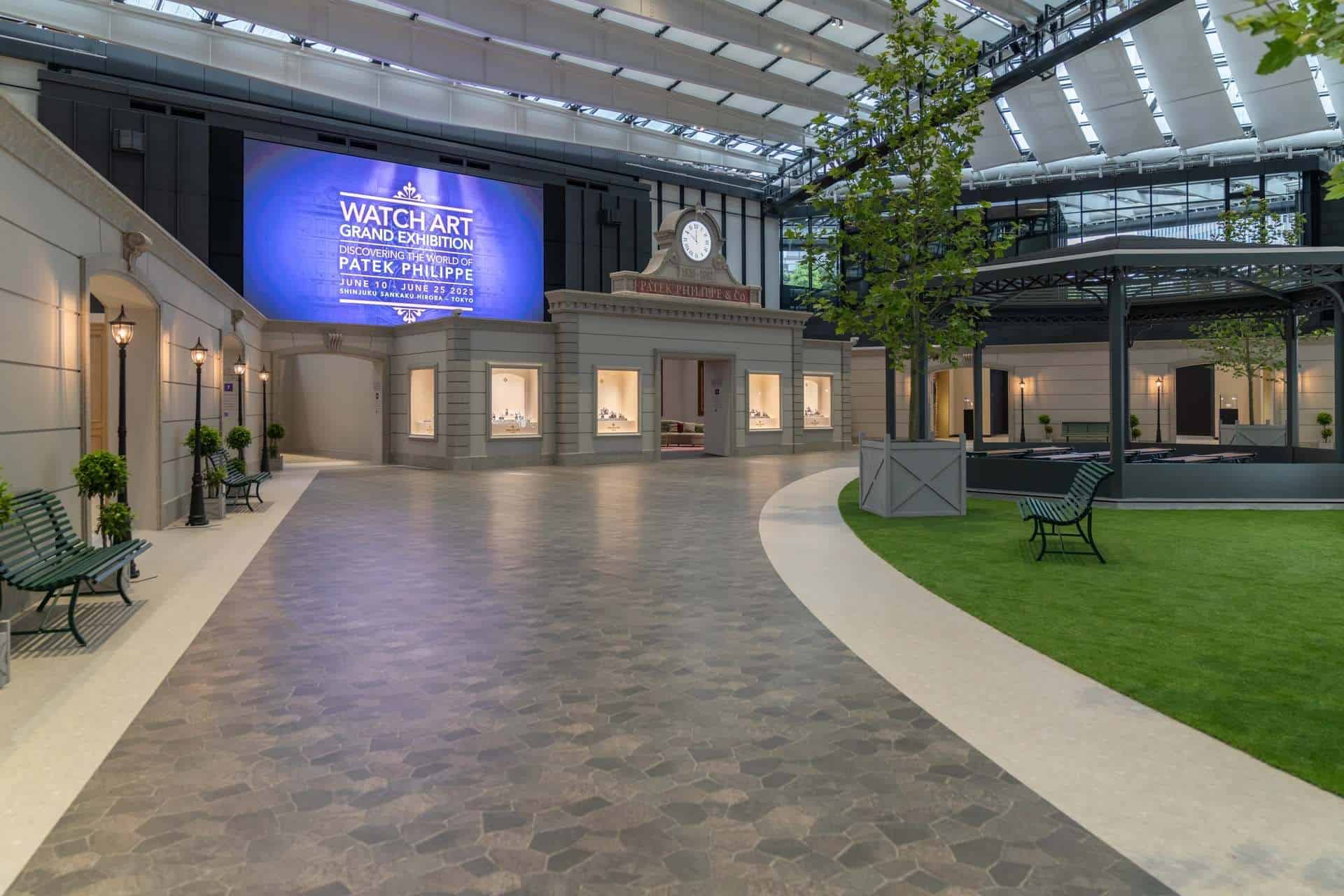
Inside the Watch Art Grand Exhibition Milan 2026
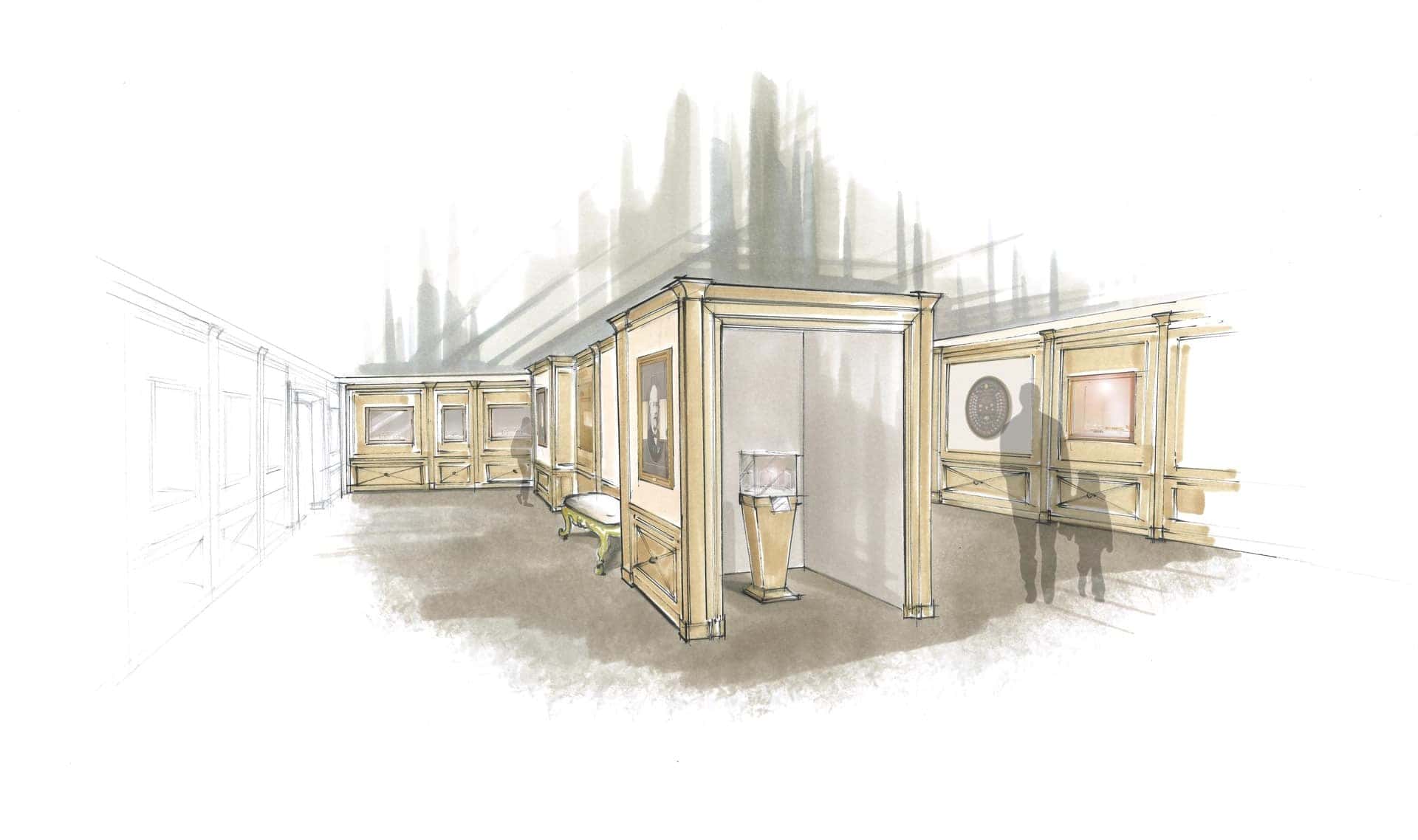
According to Patek Philippe, the exhibition will fill nearly 2,900 square meters of the building. Its rooms recreate the brand’s three Geneva landmarks: the historic Rue du Rhône headquarters, the Plan-les-Ouates manufacture, and the Patek Philippe Museum.
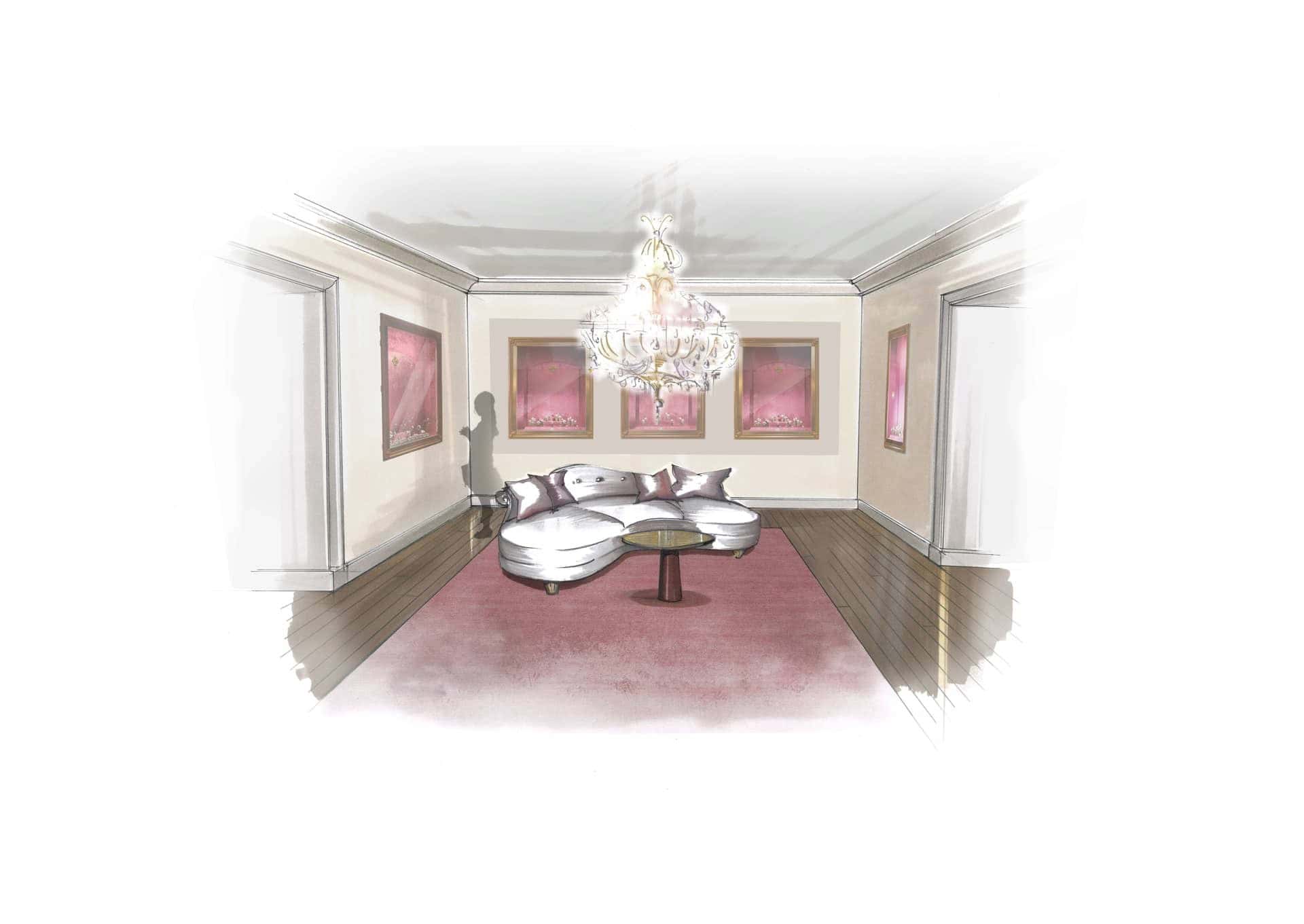
Within those recreated spaces, the Historic Building room presents the Manufacture’s entire current collection, for men and women, from the style icons to the most technically complex pieces. For anyone who has only seen these watches in photographs or behind a boutique counter, it is a rare chance to take in the whole range at once. In our experience, nothing about a Patek Philippe translates fully to a screen.
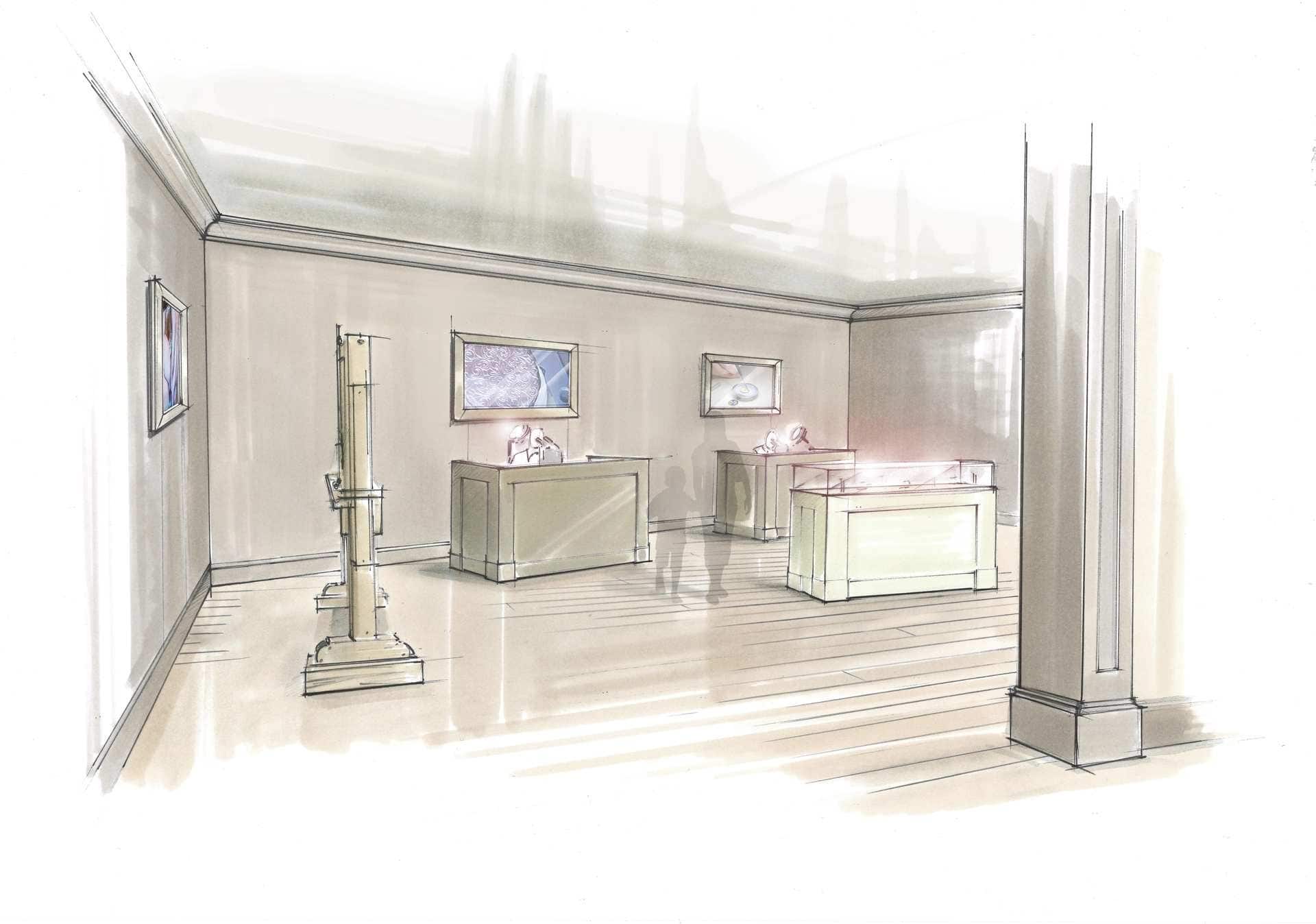
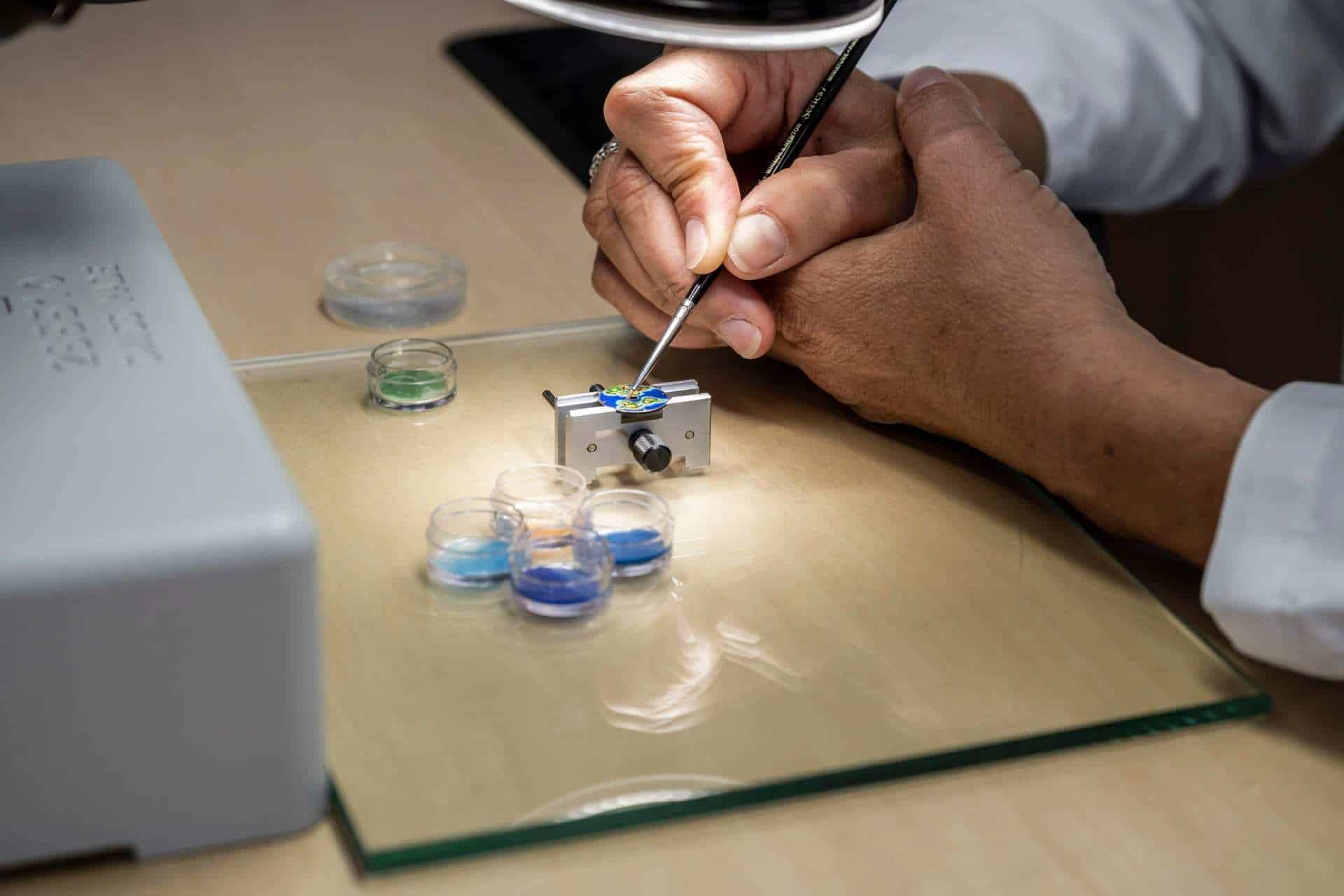
If you have only an hour, though, start with the Rare Handcrafts. A collection of 27 pieces created for the exhibition will be on show, with artisans demonstrating their techniques in person, and the Italian inspiration is unmistakable. This is the room where Patek Philippe’s savoir-faire is at its most visible, and its most human.
The “Burano” pocket watch (Ref. 992/193J-001), a unique piece in yellow gold, depicts the Venetian island’s canals and colored houses in cloisonné enamel in 70 colors, with paillonné gold and silver leaf for the reflections on the water.
Equally Italian in spirit, the “Sicilian Oranges” Dome Clock (Ref. 20179M-001) sets an orange grove in grand feu cloisonné against a miniature-painted view of Palermo. About 15 meters of gold wire outline the trees, and each enameled plate went through nine to 11 firings.
From the Museum Vaults to the Grandmaster Chime
History gets its due, too. More than 90 pieces from the Patek Philippe Museum in Geneva are traveling for the show, including watches from its Antique Collection (16th to early 19th century), and several were chosen for Italy. They include the 1897 pocket watch of King Umberto I of Savoy and a gold watch from around 1830, made for the Italian market, with a champlevé enamel map of northern Italy.
Also on the list is a 1948 World Time Ref. 1415 HU in rose gold with a cloisonné enamel dial, a milestone in the story of the Patek Philippe World Time.
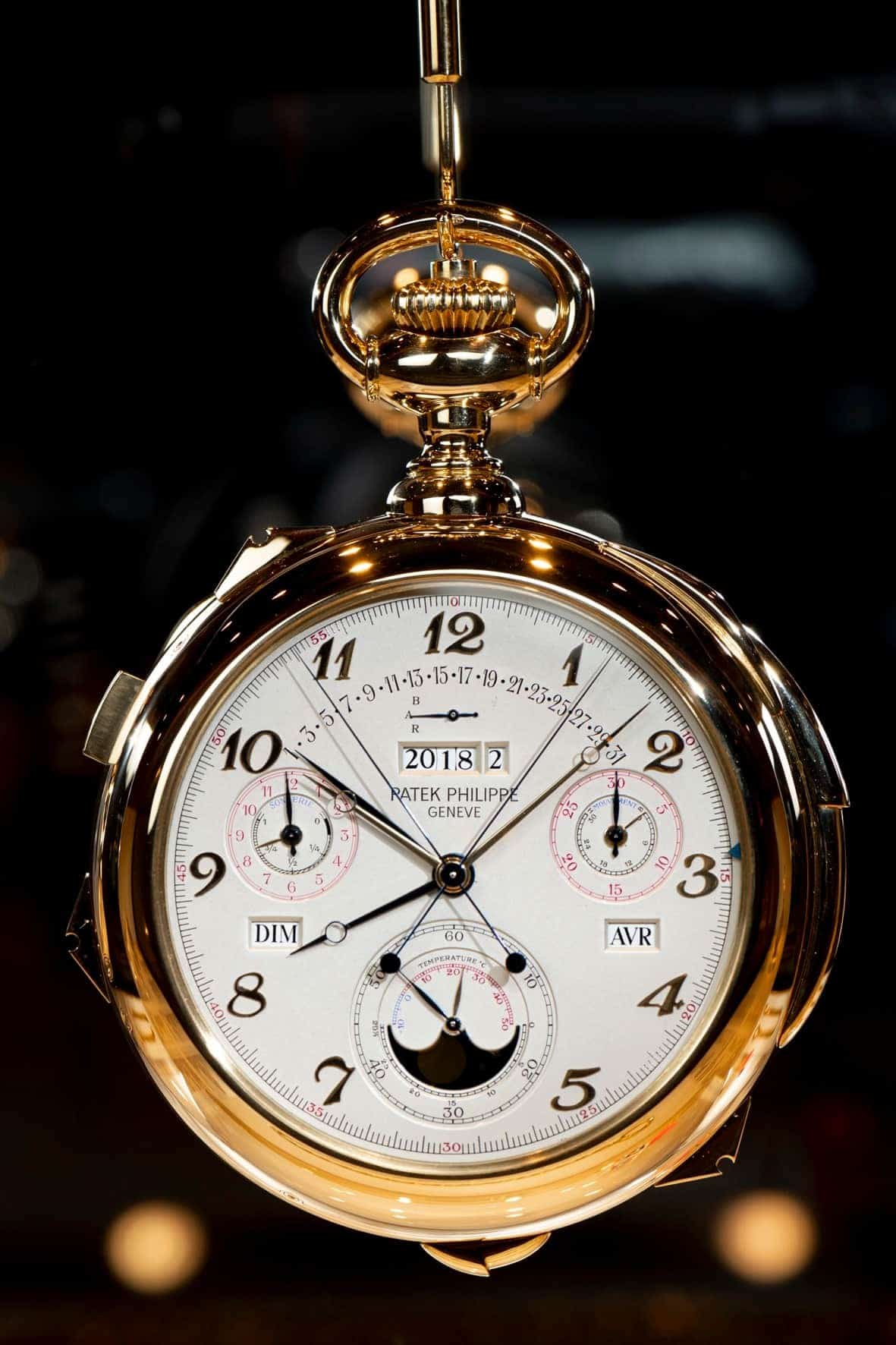
For serious collectors, the dedicated Super Complications room alone is worth the trip. It gathers three of the most important watches Patek Philippe has ever made: the Caliber 89, with 33 complications, built for the Manufacture’s 150th anniversary; the Grandmaster Chime Ref. 5175, with 20 complications, which marked the 175th; and the Star Caliber 2000.
Chiming watches get a room of their own, “Master of Sound,” where master watchmakers will demonstrate a range of movements. The Manufacture room, meanwhile, lays out Patek Philippe’s in-house movements, with an expanded area on how parts are produced and another devoted to research and development.
As at previous editions, there will also be something to take home, at least for a fortunate few. Patek Philippe’s announcement says the exhibition “will be accompanied by the launch of various limited editions in every segment of the Patek Philippe collection.” Tokyo in 2023 brought six limited editions and 40 limited-edition Rare Handcrafts pieces, according to Patek Philippe.
The exhibition is open daily, weekends included. From Monday to Thursday, doors open at 10 a.m. and close at 7 p.m. On Fridays, Saturdays, and Sundays, hours stretch to 10 p.m., and on the closing Sunday, October 18, the show shuts at 8 p.m. Last entry is one hour before closing. For the calmest rooms, we would book a weekday morning, or come on a Friday-to-Sunday evening, when the exhibition stays open late.
Entry is free, but registration is required at watchart2026.patek.com, where visitors choose their visit date and can add guests. There is no limit on reservations, so you can book more than one day, and for a show of this scale, one visit may not be enough. On-site registration is offered, though the Manufacture strongly recommends arriving with a ticket to avoid queues. Registered minors are welcome, and children under 14 must be accompanied by an adult.
Seventeen days, some 500 timepieces, and not a single ticket to buy: in an industry built on scarcity, Patek Philippe’s Milan exhibition may be the most generous invitation in watchmaking this year.
Timely FAQs
When and where is the Patek Philippe Watch Art Grand Exhibition in Milan?
Is the Patek Philippe exhibition in Milan free?
What can visitors see at the Patek Philippe exhibition in Milan?
Will Patek Philippe release limited editions for the Milan exhibition?
