The Rolex Daytona, Rolex Submariner, Patek Philippe Nautilus, Audemars Piguet Royal Oak and Omega Speedmaster Professional have shown unusually durable collector demand. Their resilience comes from recognizable design, documented history, disciplined distribution and broad multigenerational appeal — not a guarantee of future value.
The Rolex Cosmograph Daytona, Rolex Submariner, Patek Philippe Nautilus, Audemars Piguet Royal Oak and Omega Speedmaster Professional are five watches with a long record of collector demand. Their staying power is not magic: it comes from recognizable design, deep history, disciplined distribution and an audience that spans generations.
First, the disclaimer stated plainly: watches are not investments, past performance guarantees nothing and this is not financial advice. Buy watches to wear them. Secondary-market values can rise or fall, and transaction and servicing costs matter. Even so, some models have proved more resilient than others because the demand behind them is structural rather than momentary.
1. Rolex Cosmograph Daytona
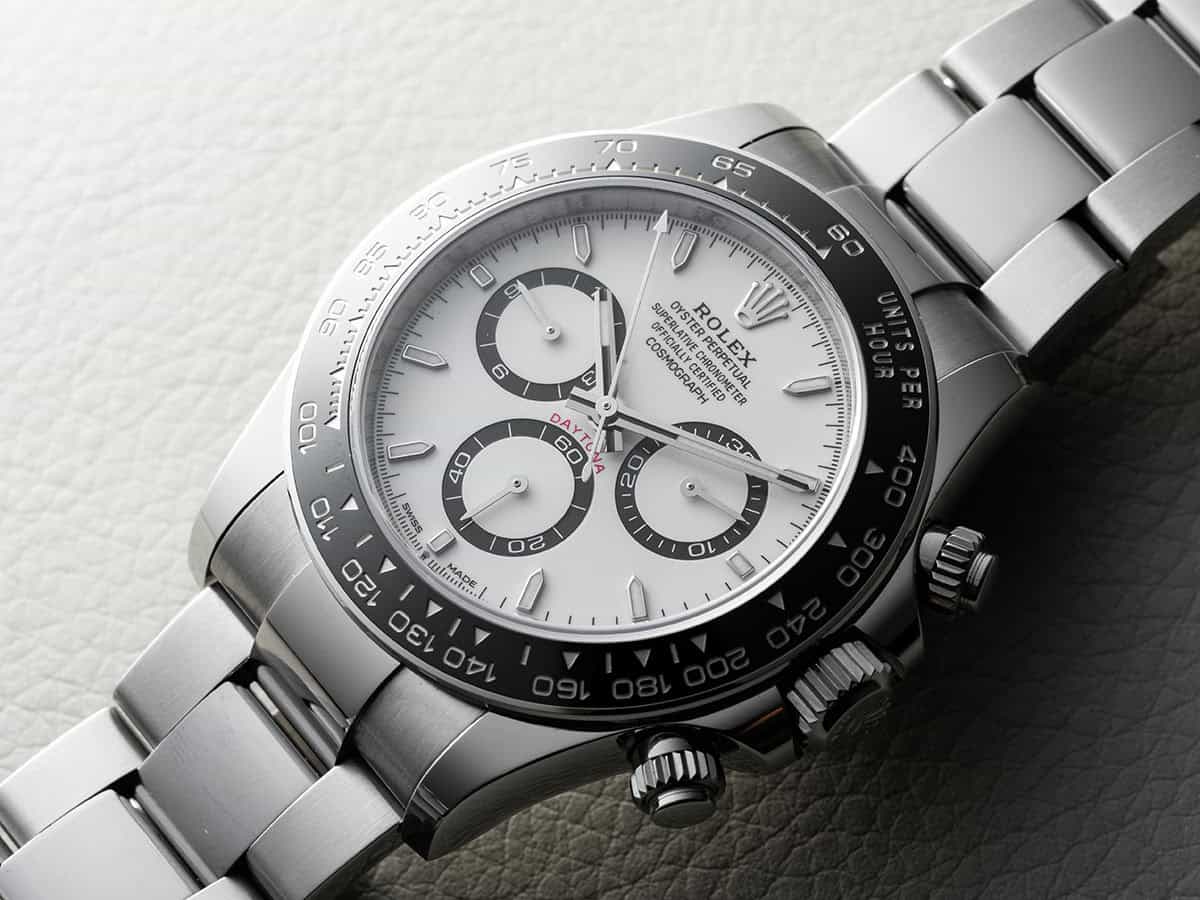
The Daytona is the classic meeting point of limited availability and broad demand. Introduced in 1963 and inseparable from motor racing, it has accumulated six decades of history without losing the core identity of its tachymeter-scale chronograph design.
Its strength comes from universal recognition, gradual design evolution and tightly managed distribution. Older generations do not suddenly look obsolete when a new reference arrives. That continuity, reinforced by motorsport heritage and the extraordinary collector interest surrounding Paul Newman’s own Daytona, keeps the model at the center of almost every conversation about watch value.
2. Rolex Submariner
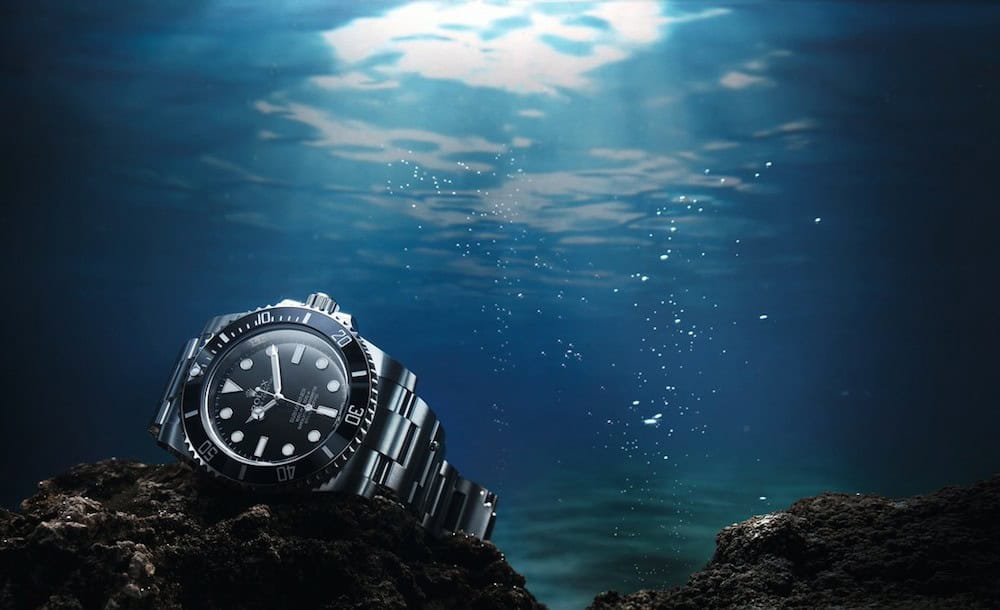
If the Daytona is the scarcity case study, the Submariner is the liquidity case study. It may be the most widely recognized luxury sports watch in the world, giving it an unusually large potential audience: first-time buyers, divers, established collectors and gift buyers all know what it is.
The model’s visual continuity is just as important. The modern Submariner remains unmistakably related to the dive watch Rolex introduced in 1953, while its durability keeps decades-old examples wearable and serviceable. The mechanism here is depth of demand: when a watch has remained relevant to such a broad audience for so long, it is less dependent on a passing trend.
3. Patek Philippe Nautilus
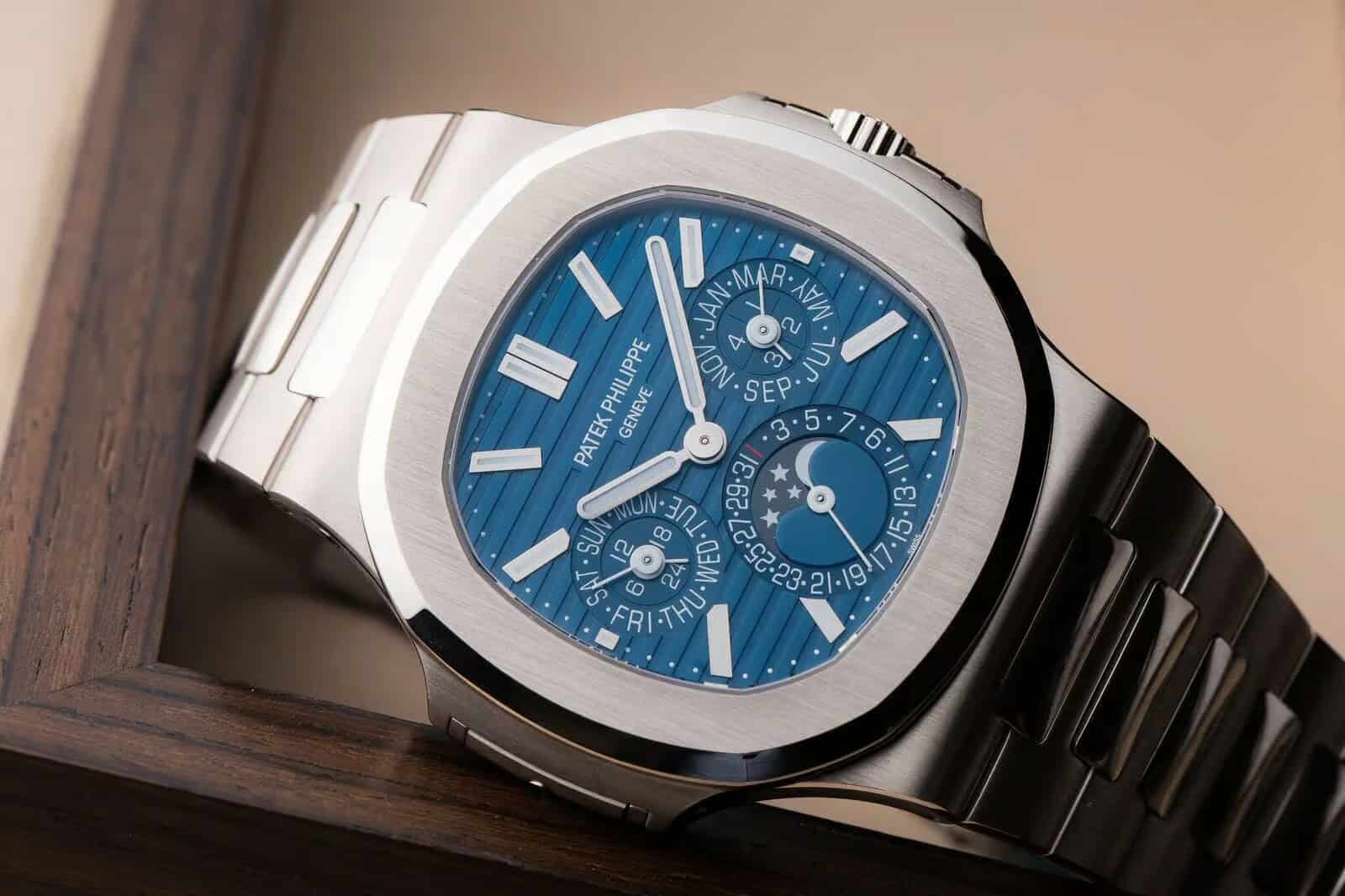
The Nautilus demonstrates what happens when an iconic design meets very limited supply. Gérald Genta’s 1976 creation turned a porthole-inspired case and integrated bracelet into one of the defining shapes of modern watchmaking. Patek Philippe’s relatively small overall production and its reputation for generational collecting add another layer of demand.
The discontinuation of the steel Ref. 5711 in 2021 fixed the population of that particular modern icon, while the exceptional Tiffany-signed finale became one of the most visible watch events of the decade. The lasting fundamentals are deeper than any one release: an immediately identifiable design, a highly selective manufacture and a name synonymous with heirloom watchmaking.
4. Audemars Piguet Royal Oak
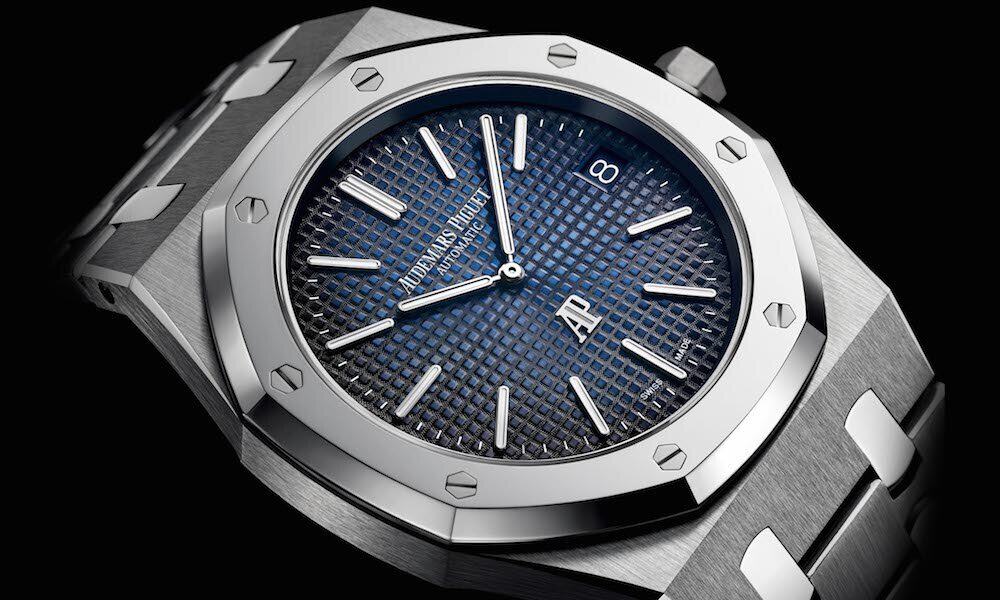
The Royal Oak shares the Nautilus’s designer but owns a distinct place in history. Launched in 1972, it established the luxury stainless-steel sports watch as a category, combining an octagonal bezel, exposed screws and an integrated bracelet in a design that remains unmistakable from across a room.
Audemars Piguet also controls distribution closely through its boutiques. The model’s structural strengths are its category-defining status, distinctive architecture and a design language that the manufacture has protected for more than half a century. Owning a Royal Oak means owning the origin point of a genre that much of the industry still studies.
5. Omega Speedmaster Professional
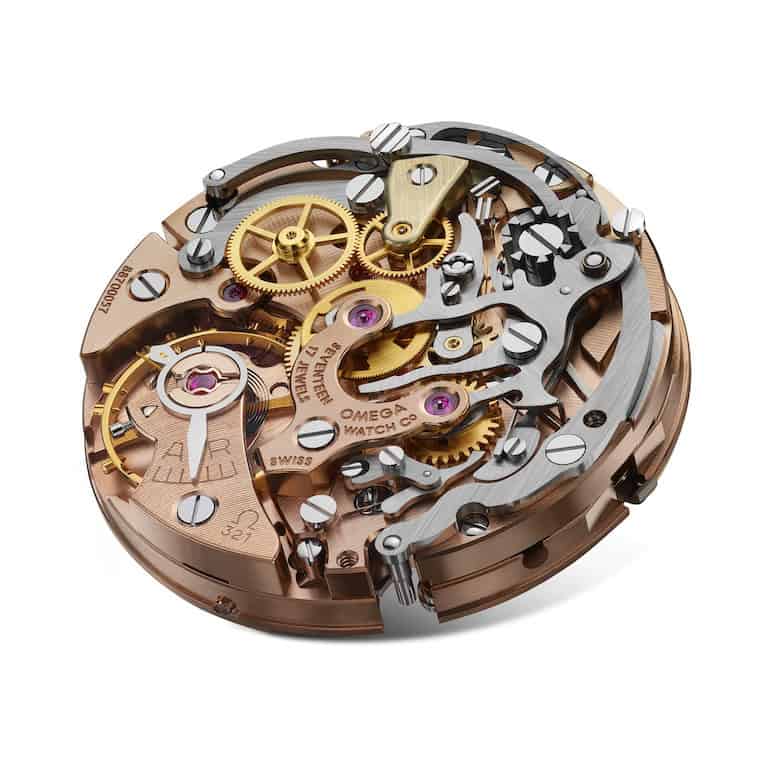
The Speedmaster earns its place through a different mechanism: not extreme scarcity, but demand durable enough that it does not require scarcity. Omega produces the Moonwatch in meaningful volume, yet the model benefits from one of watchmaking’s strongest documented stories — NASA qualification for crewed spaceflight in 1965 and its role during the first Moon landing in 1969.
Its design has evolved carefully, and its collector base runs from first-time enthusiasts to specialists who study tiny variations between references. The structural lesson is simple: an enduring story, recognizable form and broad access can create resilience of their own.
Which One Should You Buy?
Buy the one you would keep if the entire secondary market vanished tomorrow. That is the only strategy that never fails. The Speedmaster is the most accessible of these five icons; the Submariner has extraordinarily broad recognition; and the Daytona, Royal Oak and Nautilus are generally harder to obtain through official retail channels. None is guaranteed to hold value, but each has a depth of history and demand that separates it from a short-lived trend.
Timely FAQs
Why do some watches hold value better than others?
Are watches a good investment?
Do limited editions always hold value better?
Which watch on this list is generally the most accessible?