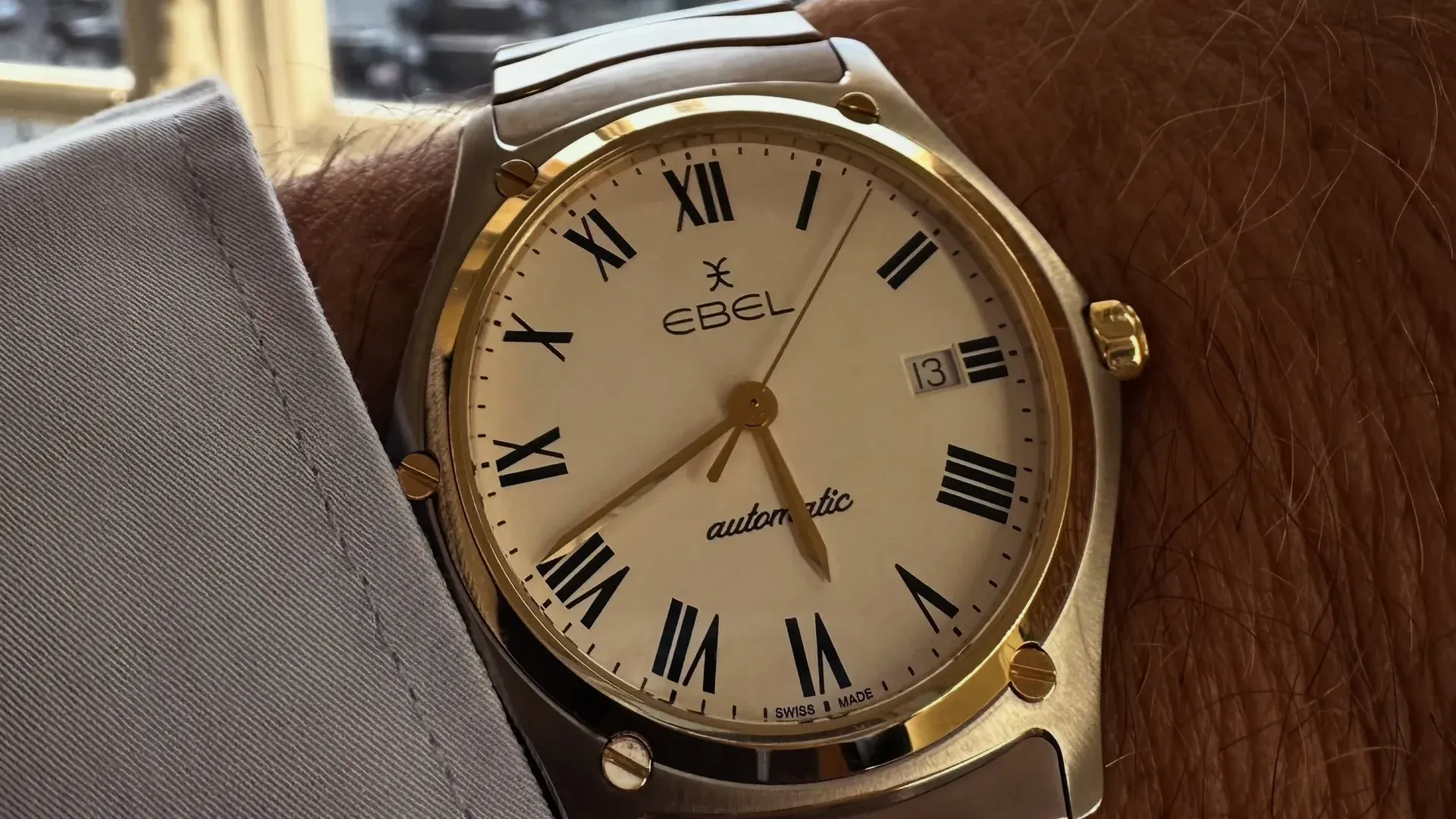
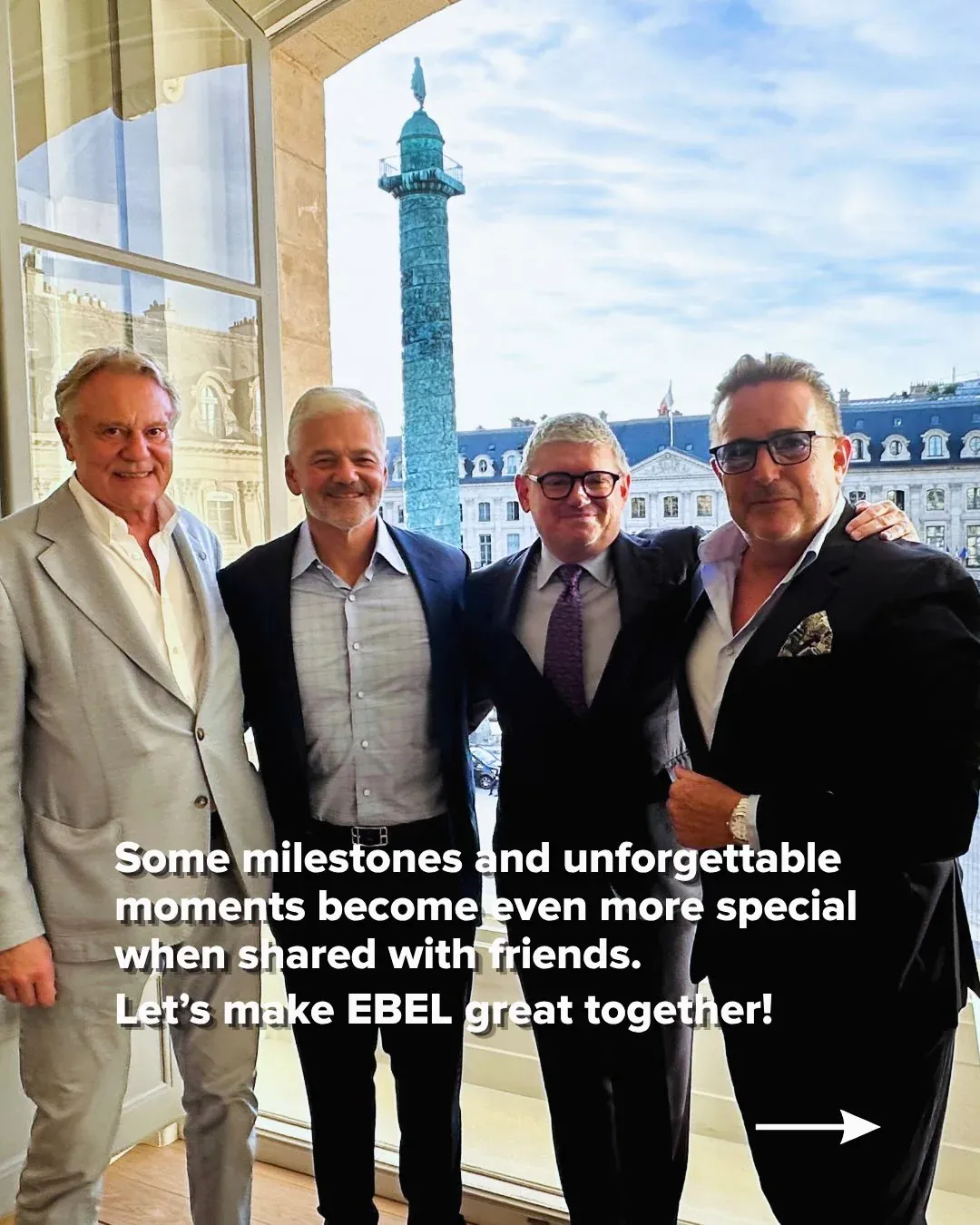
The watch world’s newest ownership story started with a photograph. On October 8, 2026, the day Movado Group announced it would sell a majority interest in EBEL to a group led by F.P. Journe with Chanel, the brand’s incoming chief executive, Pierre Jacques, posted a two-tone EBEL on his wrist, the Vendôme column blurred in the window behind it, and a group portrait overlaid with a single rallying line: “Let’s make EBEL great together!”
Movado Group agreed on October 8, 2026, to sell 95% of EBEL for $66.5 million to a buyer group led by F.P. Journe’s Montres Journe SA with Chanel and Pierre Jacques, who becomes CEO. Movado keeps 5%, and closing is expected within months.
The paperwork behind the post is just as clear. Movado Group has entered into a binding agreement to sell a 95% interest in EBEL for $66.5 million to a buyer group led by Montres Journe SA, the Geneva company behind F.P. Journe, with the participation of Chanel and of Jacques himself, who will serve as EBEL’s CEO. Movado keeps the remaining 5%. In plain terms, one of the most admired independent watchmakers of our time and one of fashion’s most private houses are set to share a 1911 Swiss name famous for the Sport Classic and the Beluga.
For collectors, the pairing is the story. F.P. Journe builds a famously small number of watches, and Chanel has spent decades backing independent houses without absorbing them. EBEL, meanwhile, has spent recent years as one name among many in a portfolio built largely around accessible luxury and fashion watches. In our view, few buyers could signal a sharper change of direction.
Inside the $66.5 Million Agreement
The structure is more careful than a straight sale. According to Movado, EBEL’s trademarks, other intellectual property, inventory, and certain other assets primarily dedicated to the business will move into a newly formed Swiss subsidiary of Movado Group, along with certain personnel who work on EBEL. At closing, 95% of the equity in that new subsidiary transfers to the buyer group. The price is subject to customary adjustments and closing conditions, and Movado says closing is expected in the next few months.
One line in the release will matter to anyone who knows the brand’s history: the transfer includes the Villa Turque, the modernist house in La Chaux-de-Fonds designed by Le Corbusier. Movado will also provide transition services after closing to keep things running smoothly for EBEL’s customers and retail partners.
For Movado, the sale is about focus. “EBEL is a prestigious brand with a rich heritage, known for its carefully curated collections, and we are very pleased to have found partners that share our appreciation for the brand and have an exciting vision for its future,” says Efraim Grinberg, Movado Group’s Chairman and Chief Executive Officer. “It allows us to concentrate fully on executing our priorities across our watch and jewelry brands, while placing EBEL with owners who have the expertise, commitment and long-term perspective to unlock the full potential of this exceptional Swiss brand.”
François-Paul Journe, as is his habit, keeps it short. “Like Michelangelo and so many others after him: the product, the product, the product,” the founder of F.P. Journe says. “EBEL has always stood for exceptional product, and I am delighted to contribute to its next chapter alongside my friends and partners.”
That is, in our view, the most telling sentence in the entire announcement. A watchmaker whose own dials carry the words Invenit et Fecit is signaling that EBEL’s next chapter will be judged on the watches themselves, not on marketing.
Chanel framed its role as one of patient support. “EBEL is one of the great names of Swiss watchmaking, with a rich heritage, a distinctive creative identity and a strong foundation for future growth,” says Frédéric Grangié, President of Chanel Watches & Fine Jewelry. “This investment reflects our confidence in the brand’s long-term potential and our commitment to supporting its development while preserving the craftsmanship, excellence and values that have defined EBEL for generations.”
Jacques, who steps in as CEO once the transaction closes, sounds ready to get to work. “I am incredibly proud and excited to lead this new stage of EBEL alongside François-Paul Journe and Chanel, and to contribute to the future success of such an iconic Maison,” he shares. Movado describes him only as a renowned figure in the Swiss watch industry, so his past roles are left out here.
What Journe and Chanel Bring to EBEL
EBEL was founded in 1911 in La Chaux-de-Fonds, in the heart of the Swiss Jura, by Eugène Blum and Alice Lévy. A few streets away, Charles-Edouard Jeanneret, the architect the world would come to know as Le Corbusier, built the Villa Turque, completed in 1917. EBEL bought the house in 1986 to mark its 75th anniversary, restored it, and renovated it again in 2011, and for more than 30 years it has been known as the “House of EBEL.”
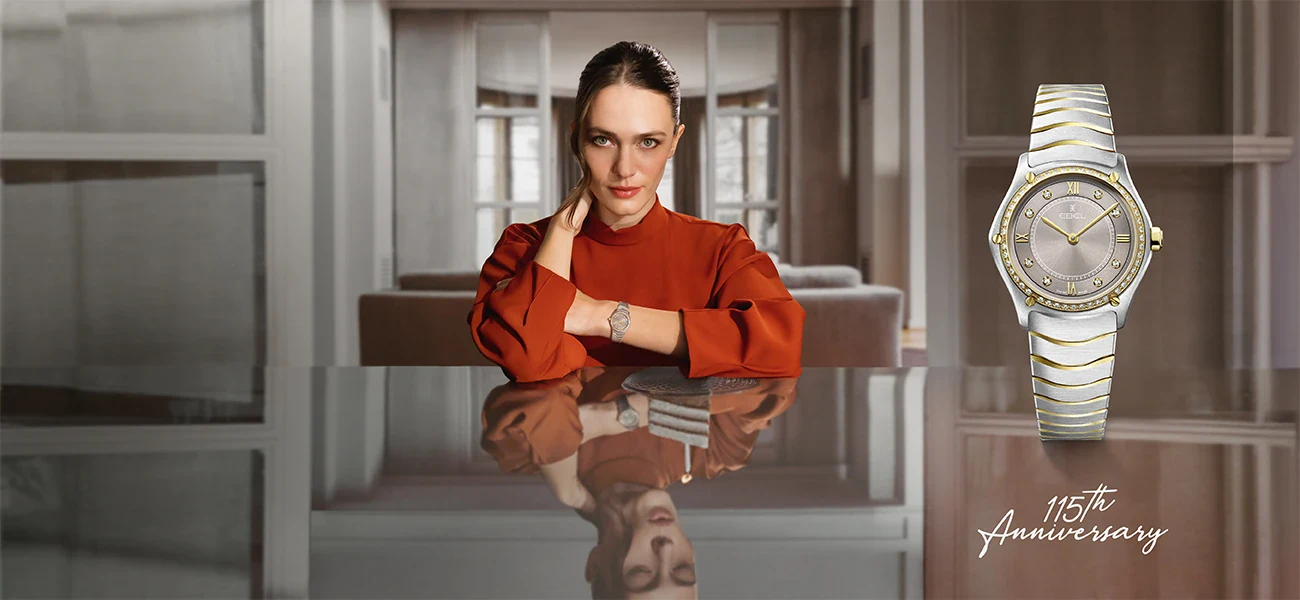
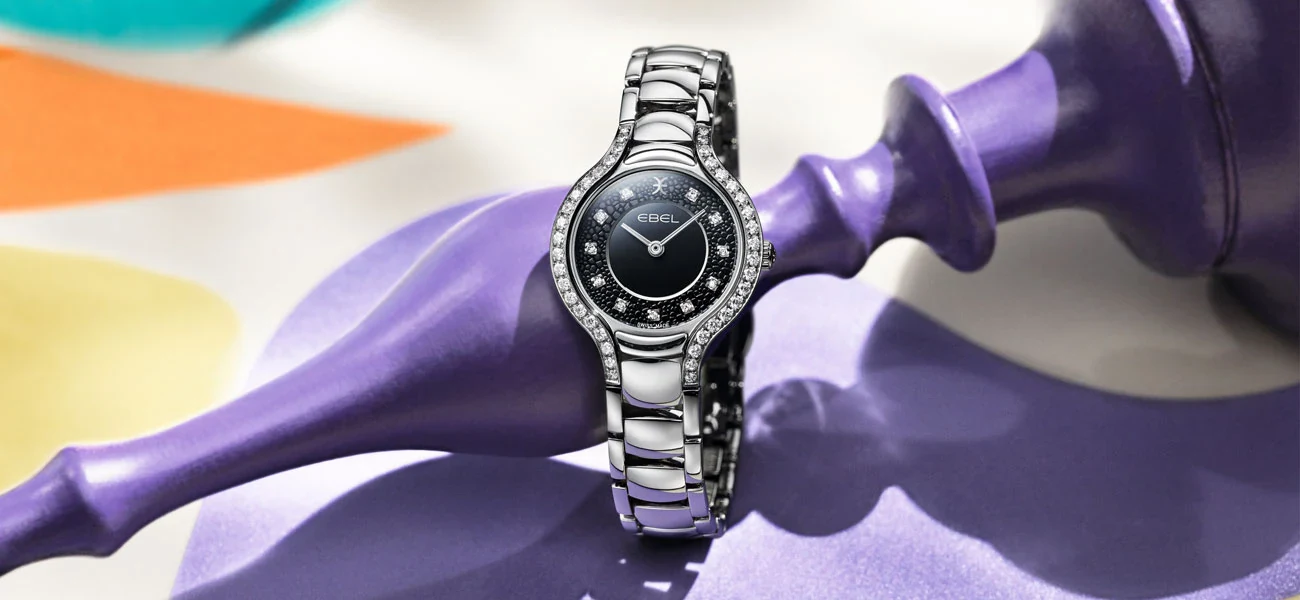
The brand’s modern fame rests on two designs. The EBEL Sport Classic, an icon of 1970s sport chic and, in EBEL’s own words, a pillar of the brand’s renown through the 1970s and 1980s, is defined by its wave-link bracelet and the five functional screws that hold its bezel in place. The Beluga, launched in 1985, brought what EBEL calls a supple luminosity to the jewelry watch, its curved case traditionally ringed with diamonds. Both remain in the catalog today, and the Sport Classic is the focus of the brand’s recent repositioning, offered in Mini, Lady, and Gent sizes.
The new owners have proven track records in very different ways. Founded in Geneva in 1999, Montres Journe SA designs and produces its watches and components in-house, and François-Paul Journe’s pieces have become fixtures at the top of the auction calendar, including at the Phillips New York sale we previewed last month. His Young Talent Competition has also helped launch a generation of independents we’ve covered in our guide to independent watch brands.
Chanel, for its part, has a long habit of buying minority stakes in independents and then leaving them alone. It invested in Bell & Ross in 1998, Romain Gauthier in 2011, and F.P. Journe itself in 2018, and it took a 25% stake in MB&F, a partnership Max Büsser described to us as discreet and supportive in our interview about the HM12 “The Guardian”. The House also runs its own Watch Creation Studio, which is behind the new CHANEL J12 Boat Race trophies.
What does that combination suggest for EBEL? In our view, the clues point to a product-first reset rather than a volume play: Journe’s Michelangelo line, Grangié’s promise to preserve craftsmanship, and an ownership structure built around a dedicated Swiss company for EBEL. The Sport Classic, which EBEL already treats as its design signature, is the obvious place to start, and the Villa Turque gives the brand a home with a story most competitors would envy.
Some things are not yet known. Neither Movado nor the buyers have said how ownership will be split among Montres Journe, Chanel, and Jacques, whether production or distribution will change, or when the first new watches under the new owners might appear. Today, the Sport Classic starts at $2,400 in steel on EBEL’s U.S. site.
For a brand that turns 115 this year, it is a fitting twist. EBEL began with two founders in the Jura; its next chapter begins with a watchmaker, a couture house, and a CEO who has already told the world, in one line on a photograph, exactly what he intends.
Timely FAQs
Who is buying EBEL?
How much is the EBEL deal worth?
When will the sale of EBEL close?
When and where was EBEL founded?
