Like most people, I have no pressing business in Waitangi, in the Chatham Islands (420 miles south of New Zealand in the South Pacific).
Like most people, I have no pressing business in Waitangi, in the Chatham Islands (420 miles south of New Zealand in the South Pacific). But it’s nice to know that if I were ever shipwrecked there, I could be wearing a watch that knows where I am and what time it is (If it’s 8 pm in New York, it’s 12:45 pm in Waitangi – plus one day). Waitangi constitutes one of the anomalies that add 13 half-hour and quarter hour offsets to the world’s time zones. Some world time watches track 24, others 37 and some 39.
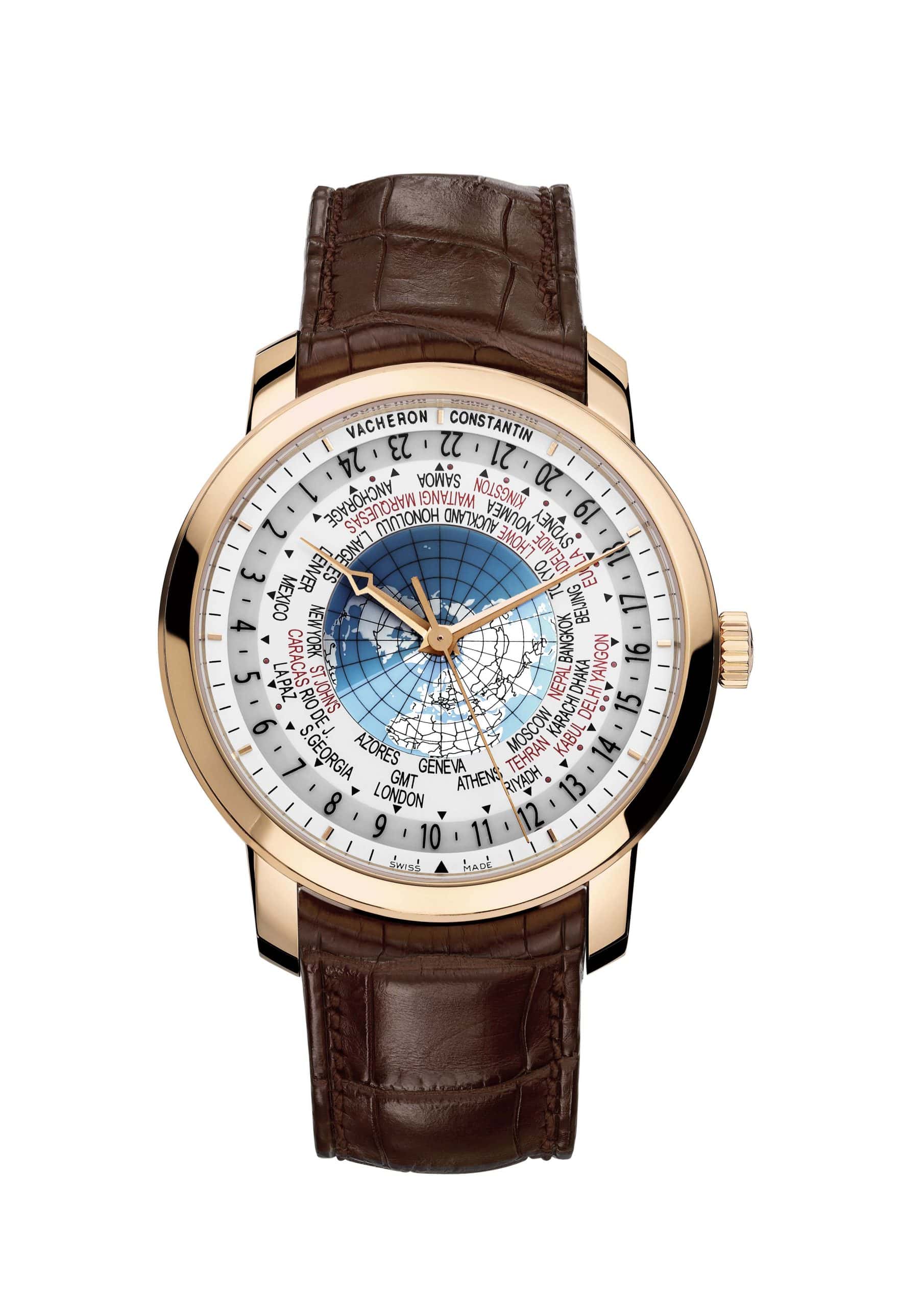
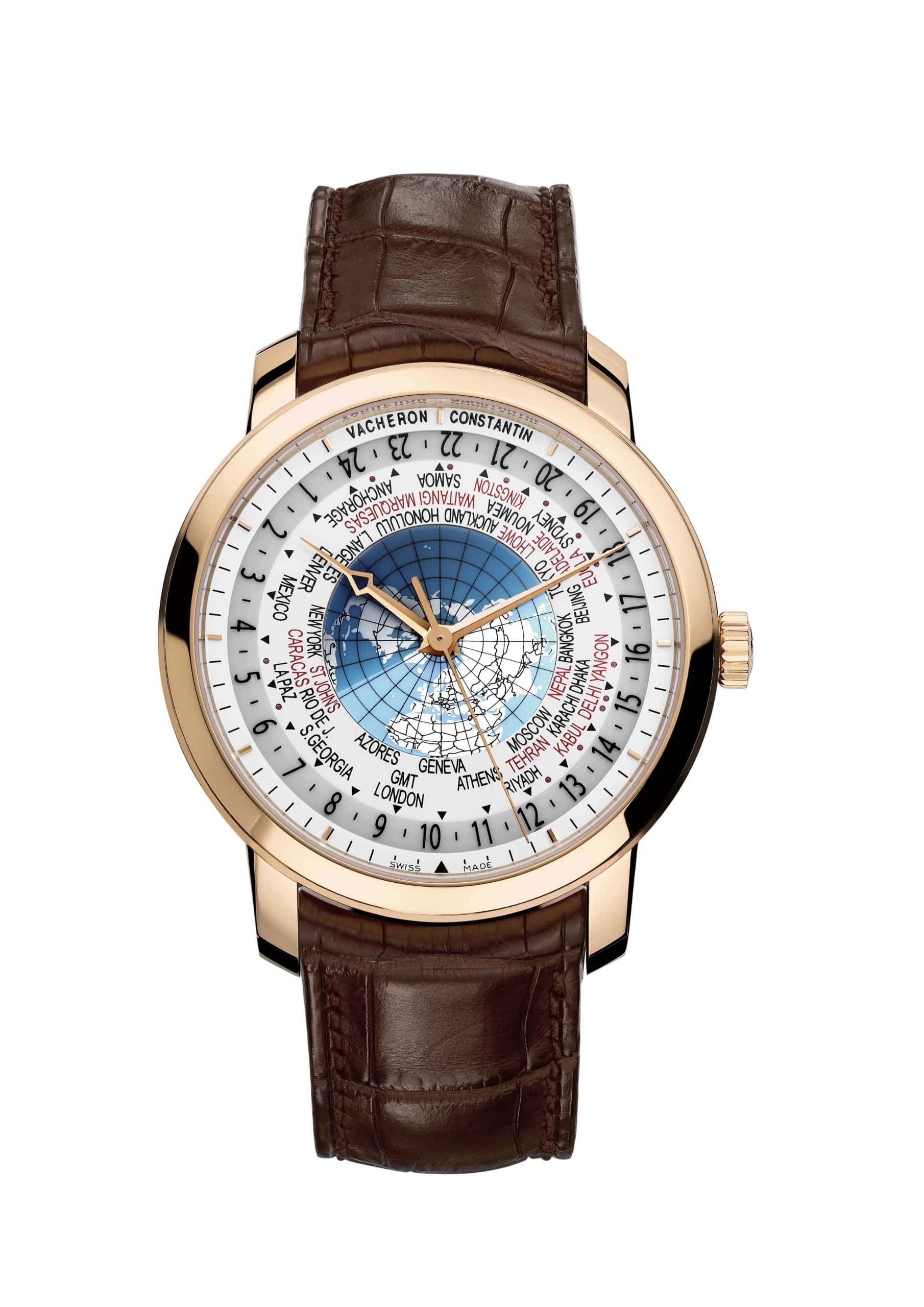
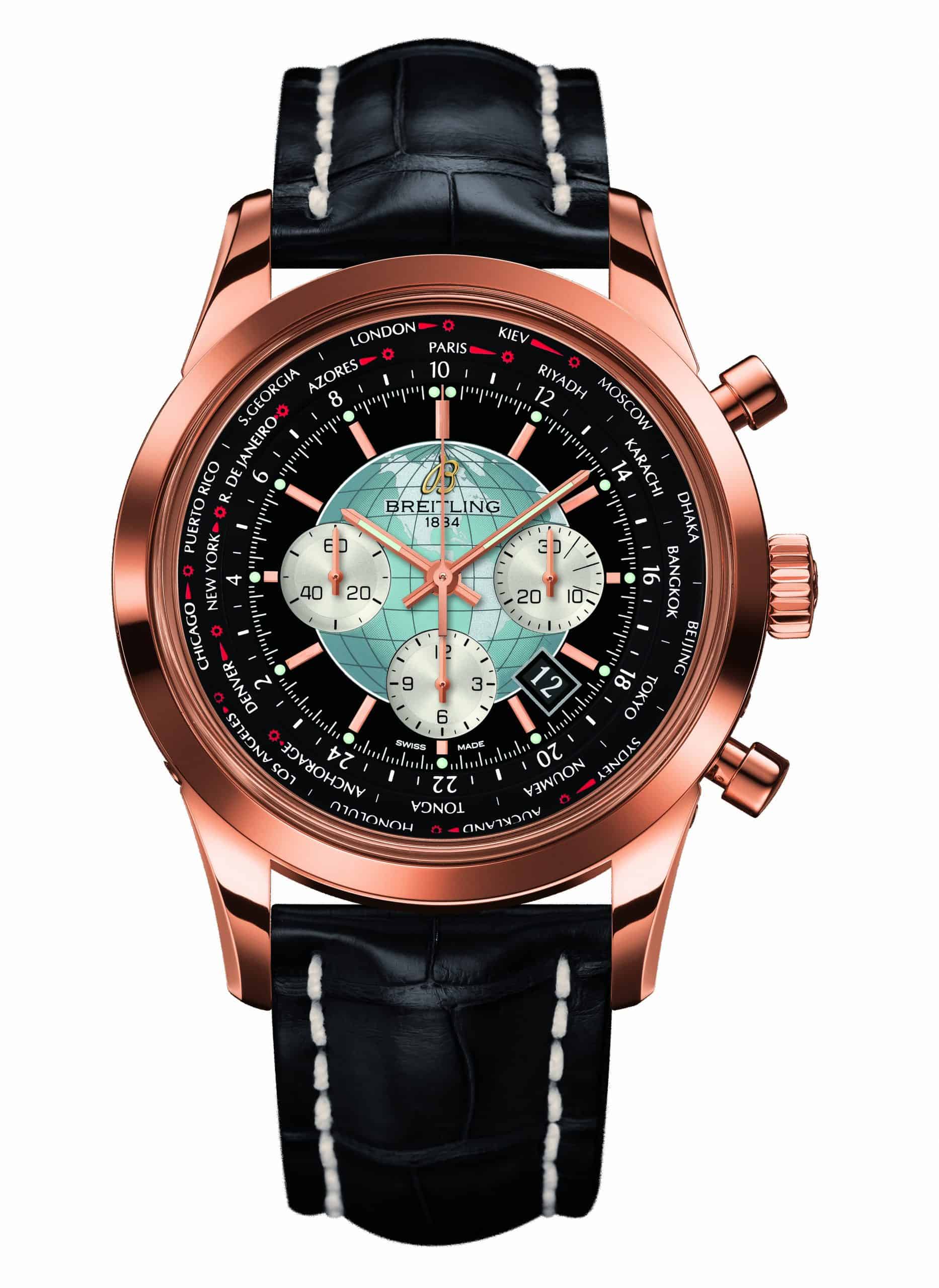
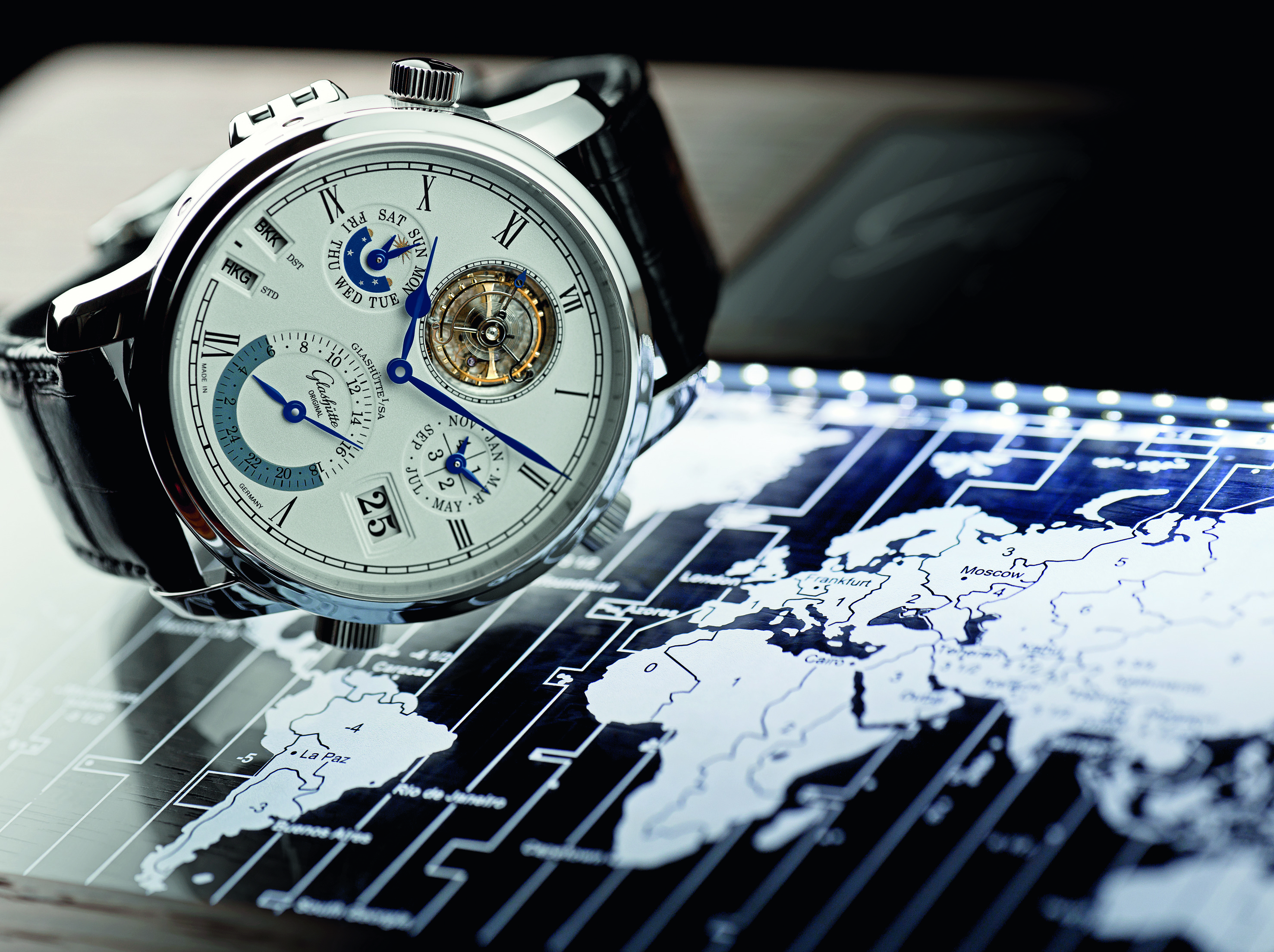
So how many time zones are there? Most world timers track cities that represent the 24 standard zones separated by hourly increments plus or minus UTC (Universal Coordinated Time). Breitling’s TransOcean Chronograph Unitime and Girard Perregaux’s ww.tc World Wide Time Control are fine examples of these. Others track 37 cities, like the Vacheron Constantin Patrimony Traditionnelle World Time, a mechanical wonder with its world map that includes longitude lines and cities positioned in their geographically correct zones. There is also the Glashütte Grand Cosmopolite, which has a GMT function programmable to 37 time zones.
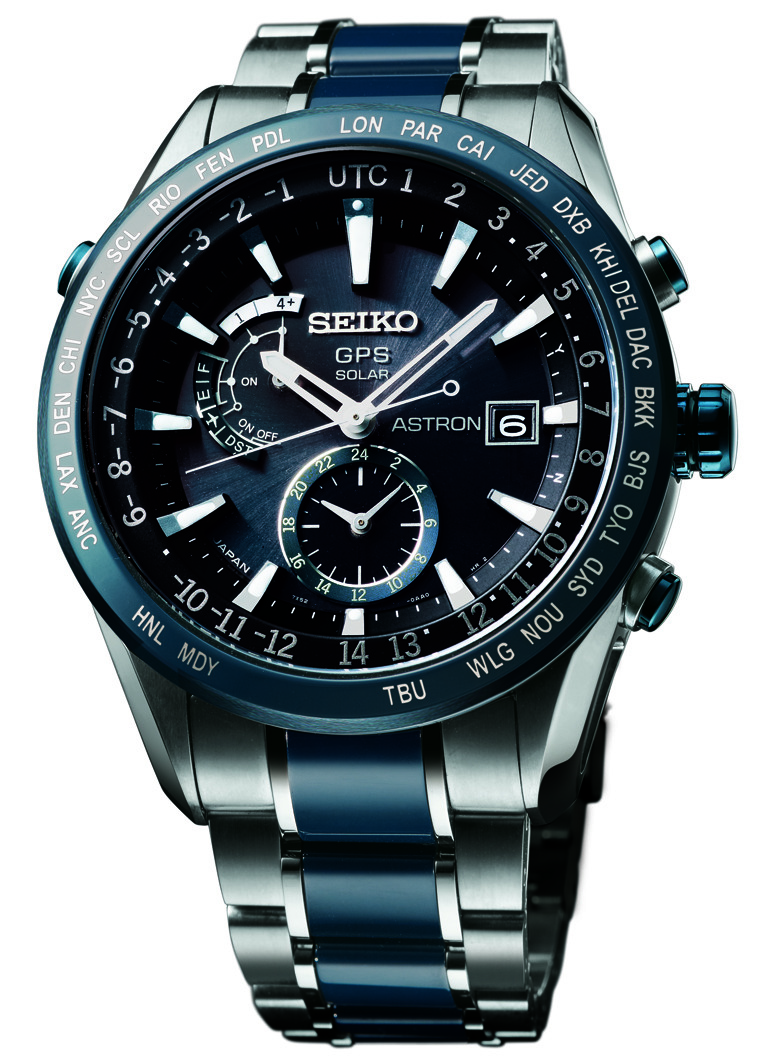
But the number of time zones totals 39 when you consider the international date line, which splits a single time zone into two different days – Kiritimati, also known as Christmas Island, for example, is in the same time zone as Hawaii, but Kiritimati is one day ahead. If you plan to travel to the South Pacific, with its wonky time zone allocations, you’ll need the Seiko Astron GPS, which accounts for the additional time zones along the date line, thereby tracking all 39 zones. Seiko is set to introduced a special edition of the Astron GPS in Basel later this month.