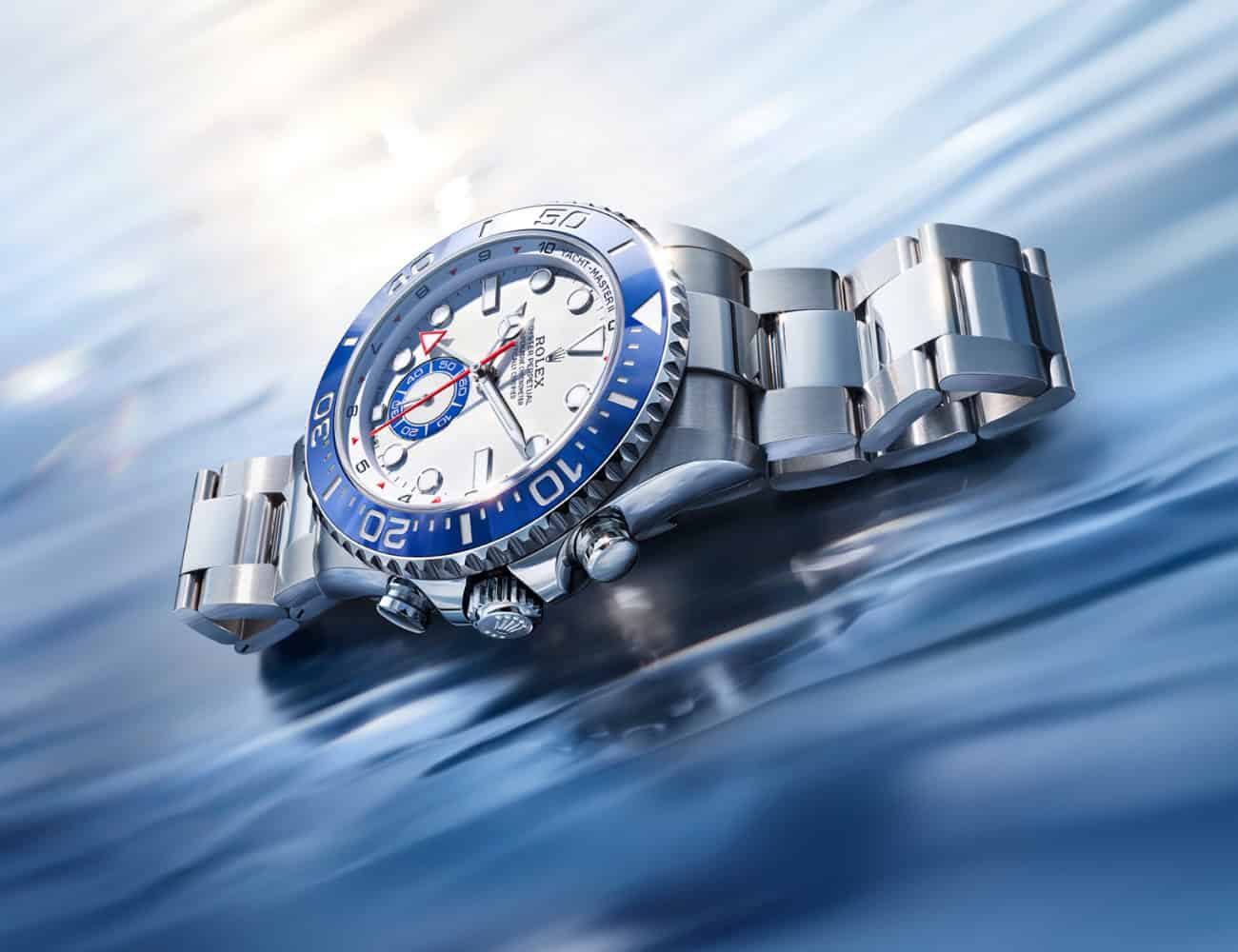
The Yacht-Master II has always been Rolex’s most divisive watch. Launched in 2007, it was a 44mm regatta chronograph built around a function, a programmable countdown for the start of a sailboat race, that almost none of its owners would ever use. It was big, technical, and a little baffling, operated through a rotating “Ring Command” bezel that even enthusiasts found fiddly. For 2026, Rolex has given it its first proper redesign, and the result is the rare case of a company fixing the exact things people complained about.
Rolex's redesigned Yacht-Master II fixes the original's biggest flaws with pusher-based countdown programming.
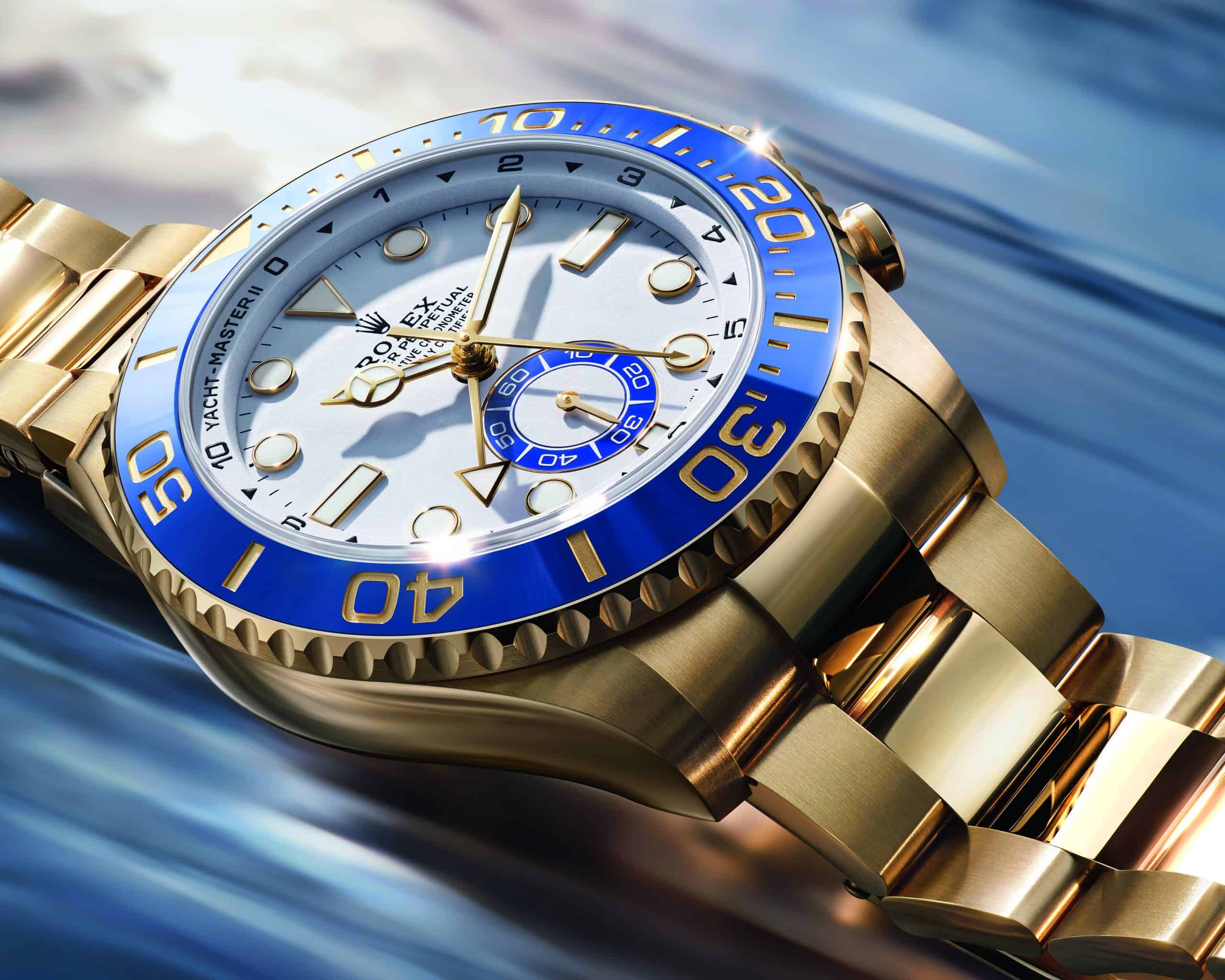
The most important change barely shows in photos. On the old model, you programmed the countdown by turning the bezel through the Ring Command system, a clever but unintuitive process. The new Yacht-Master II drops it entirely. You now set the countdown with the lower of two winch-shaped pushers, each press advancing the minute hand one step until it points to your start time, and launch it with the upper pusher. Rolex filed a patent for the mechanism, but the point for the wearer is simpler: it finally works the way you’d expect a chronograph to.
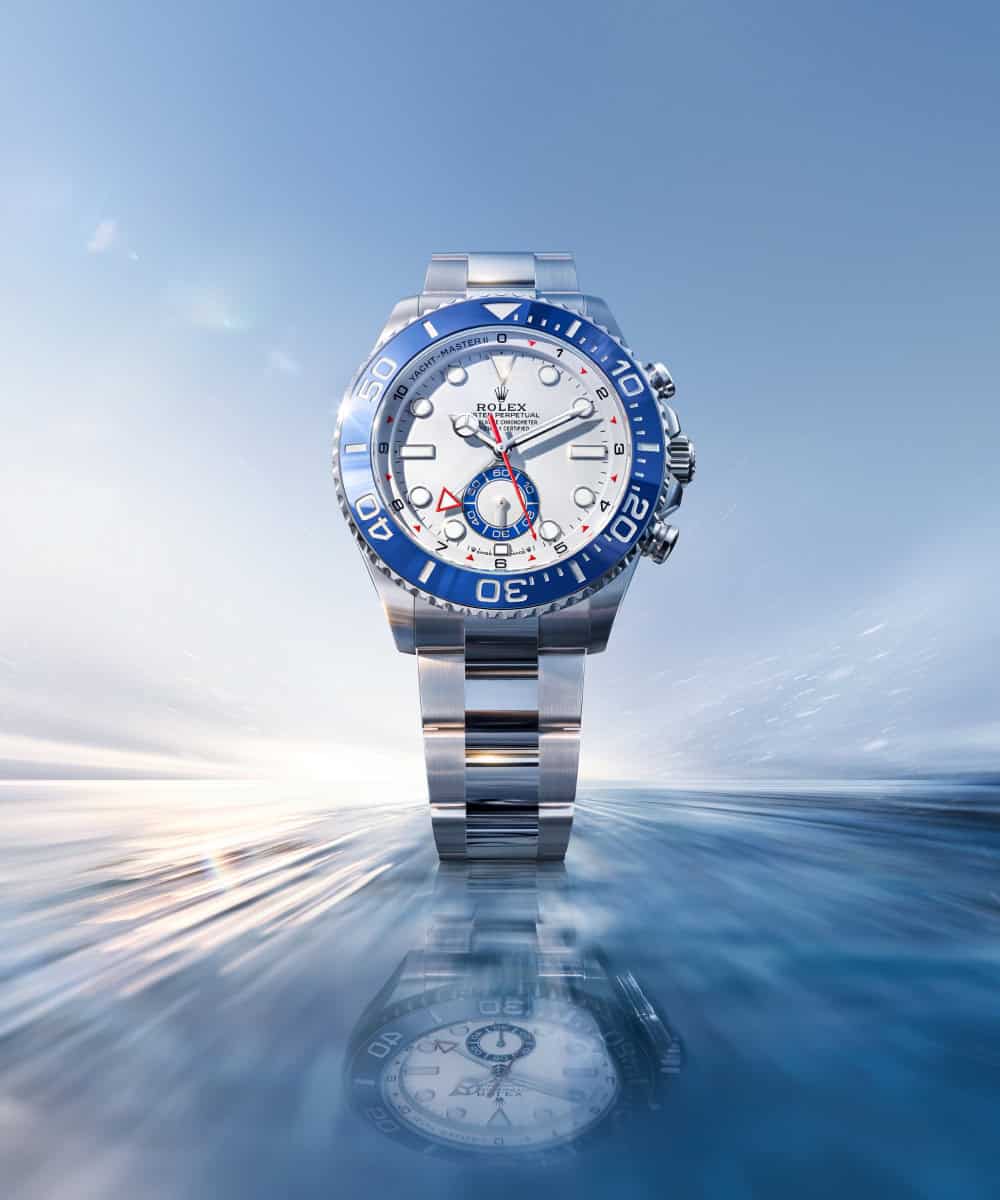
Legibility gets the same treatment. The countdown scale has moved off the dial and onto a flange graduated from 10 to zero minutes, clearing the face considerably. The dial itself is now a matt white lacquer chosen to kill reflections, with the applied indexes of Rolex’s Professional line and, on the steel version, red accents on the countdown hands. The smartest touch is also the most Rolex: the countdown minute and seconds hands now run counterclockwise, a first for the brand, so a countdown toward zero reads as time draining away rather than accumulating. That is function-first engineering, not decoration.
The bidirectional bezel carries a 60-minute blue Cerachrom insert, its graduations filled with platinum on the steel version and yellow gold on the gold, and it does double duty. Beyond timing intervals between buoys, it lets you read the final thirty seconds of the countdown second-by-second once the bezel is set to neutral. It is a real advantage to a racer and an irrelevance to everyone else, which is the Yacht-Master II in miniature.

Under the restyled, domed-sided case sits the new calibre 4162, an evolution of the old 4161 that brings the watch in line with modern Rolex. It keeps the column wheel and vertical clutch that give the countdown its crisp, instantaneous start, and adds the Chronergy escapement, a blue Parachrom hairspring, Paraflex shock absorbers, and roughly 72 hours of power reserve. Rolex even dressed it up, with a cut-out rotor and bridges finished in its own Côtes de Genève, decoration you’ll rarely see behind a solid case back, but a sign the brand took this update seriously.
The rest is standard Rolex substance: a 44mm Oyster case waterproof to 100 meters, a Triplock crown behind an integral crown guard, and an Oyster bracelet now slightly broader with a slimmer Oysterlock clasp for better-balanced proportions. The gold version hides ceramic inserts inside the bracelet links to fight wear. And like every 2026 Rolex, it carries the newly strengthened Superlative Chronometer certification, which now tests for magnetism, reliability, and sustainability on top of the −2/+2-seconds-a-day precision standard.
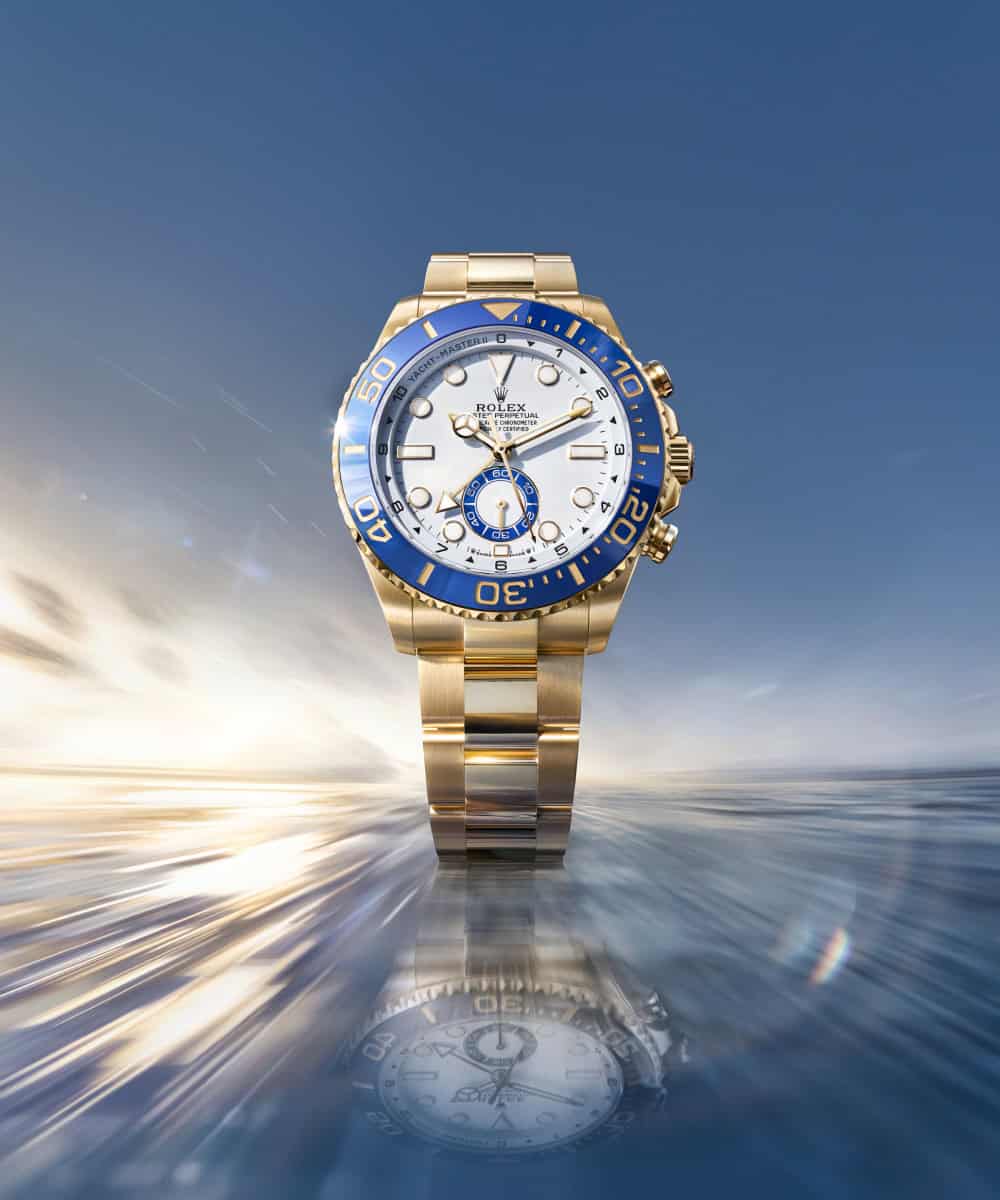
So is it a better watch? Clearly. Rolex identified the original’s genuine weaknesses, the confusing programming and the cluttered dial, and solved both, while giving the Yacht-Master II the cleanest, most modern look it has ever had. The blue-and-white steel version, in particular, is the first Yacht-Master II that’s easy to simply like. What the redesign doesn’t change is the underlying proposition: this is a 44mm, top-of-the-range specialist instrument whose headline function most owners will admire rather than use. If you never understood the Yacht-Master II, a better countdown won’t convert you. But if you sail, or you’ve always wanted the boldest, most mechanical watch in the Rolex catalog, this is the version worth waiting for.
