SIGN UP

Jaeger-LeCoultre Revives Eight Rare Vintage Reverso Watches in New York City Collectibles Capsule Launch

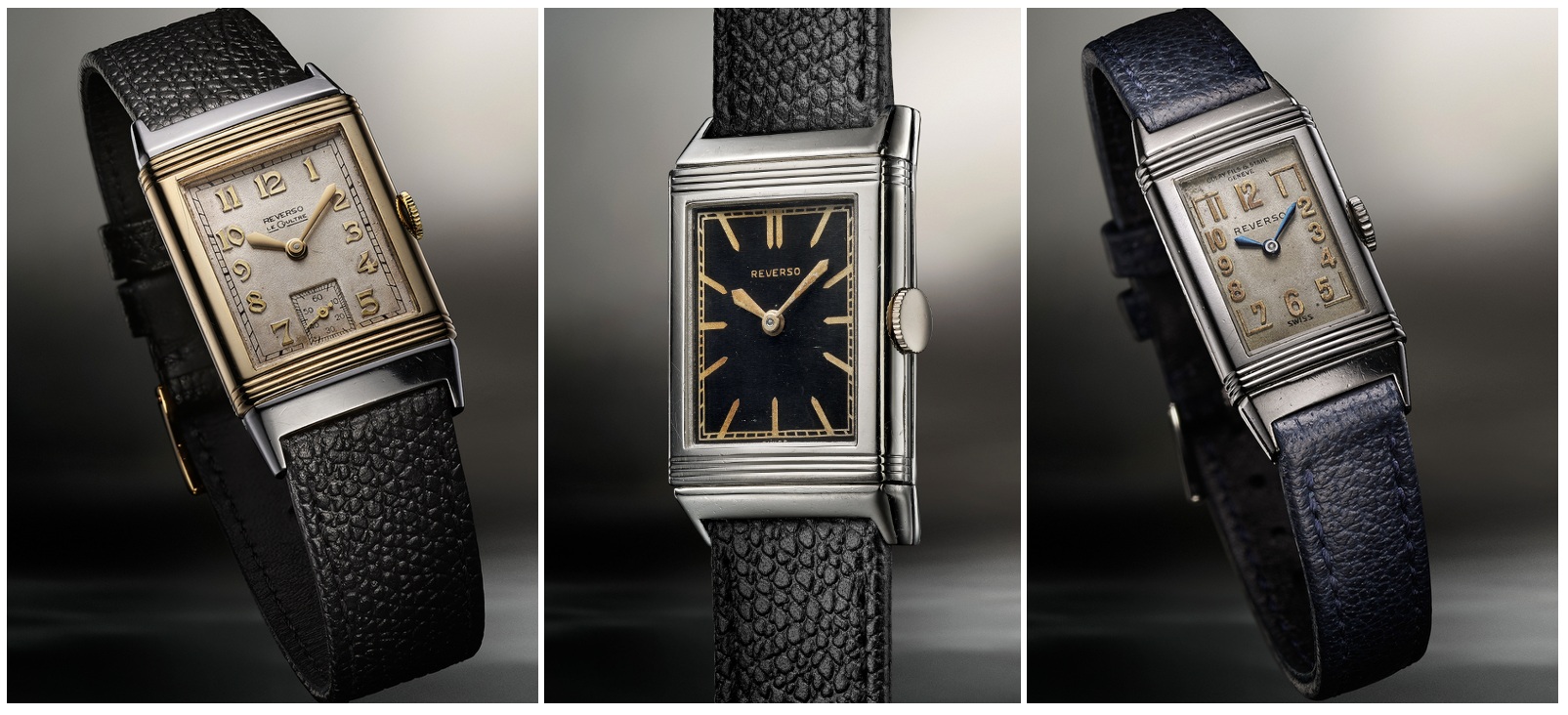
In a moment that feels both reverent and refreshingly contemporary, Jaeger-LeCoultre has brought one of watchmaking’s most poetic stories back into the spotlight, unveiling the fifth chapter of The Collectibles with a tightly curated capsule of eight rare vintage Reverso watches dating from 1931 to 1937, each restored to museum standards and presented to collectors in New York City as living artefacts of Art Deco brilliance.
Rather than simply revisiting history, this release reframes it, positioning these early Reverso models not as relics but as enduring design statements whose influence still echoes across modern horology, from their architectural proportions to the unmistakable reversible case that was originally conceived for polo players in British India yet quickly transcended sport to become a cultural symbol of modernity.
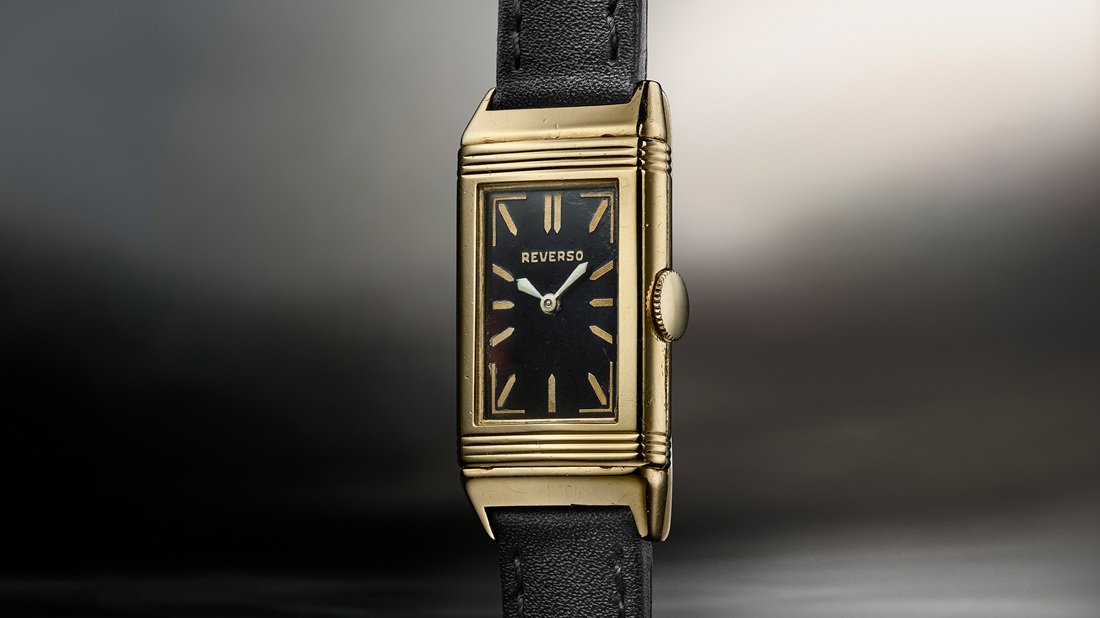
What makes this capsule especially compelling is the depth of storytelling embedded in each watch, beginning with a 1931 Reverso featuring a black dial once described as “the dial of the future,” a daring aesthetic choice at a time when silver ruled, whose railroad minute track and trapezoidal indexes now feel uncannily aligned with today’s Reverso Tribute language, proving that true design innovation rarely dates, it simply waits to be rediscovered.
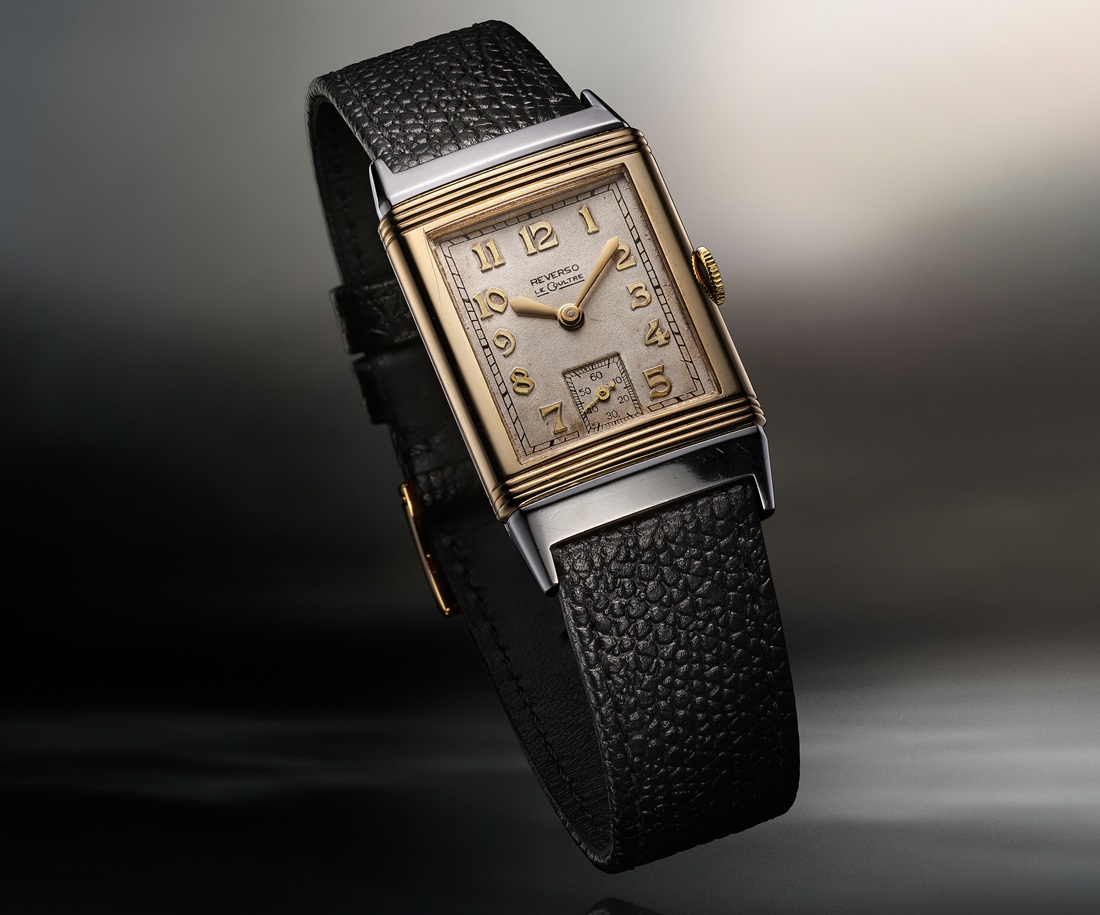
Alongside it sits a rare two-tone steel and 9K yellow gold Reverso from 1936, powered by Calibre 410, the first in-house movement developed specifically for the model, introducing small seconds at six o’clock while marking a pivotal transition as the Maison moved away from externally sourced movements toward full Manufacture autonomy, a quiet technical revolution wrapped in elegant geometry.
Completing the men’s selection is a 1937 Reverso with Small Seconds housing Calibre 413, distinguished by a black dial bearing the Jaeger-LeCoultre signature, a subtle but historically significant detail that coincides with the merger of the Le Coultre and Jaeger Maisons, anchoring this piece firmly within one of the brand’s most defining moments.
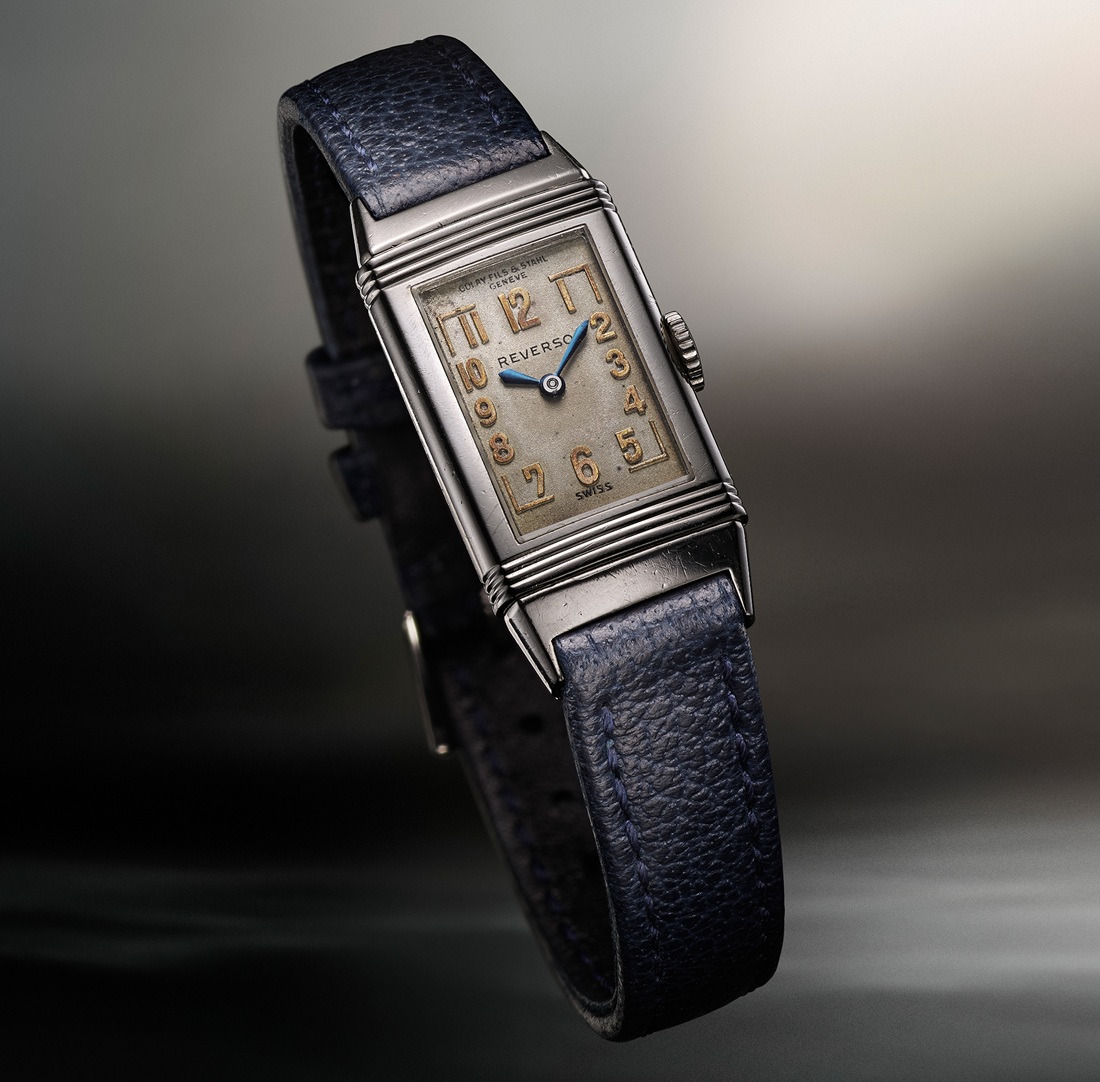
The women’s watches reveal another layer of the Reverso story, illustrating how early the design adapted to different wearers without sacrificing identity, from the Reverso 1931 Dame in yellow and white gold with its corner-bracket dial layout, to the Double Signature model with heat-blued hands, a traditional finishing technique paired with retailer markings that signal how selectively these pieces were originally distributed, making surviving examples especially prized today.
Among the most unexpected highlights is the Reverso 1931 Cordonnet, a highly unusual feminine interpretation featuring a chrome rope-style bracelet in place of traditional leather, attached via distinctive lugs that feel almost avant-garde even now, while two additional Dame models framed by geometric brackets and paired with black or brown calfskin straps round out the capsule, capturing the graphic language of the era with remarkable clarity.
Behind every watch in this collection lies Jaeger-LeCoultre’s in-house restoration programme, where master watchmakers meticulously service movements, hand-rebuild components, and source historical parts from heritage stocks, preserving original patina while certifying each piece to museum standards, ensuring these timepieces are not merely beautiful but mechanically prepared for their next chapter as functional works of art.
Presented with archive extracts, a complimentary Collectibles book, and newly crafted leather straps chosen to complement each model, these watches arrive as complete narratives rather than standalone objects, reinforcing the Maison’s belief that collecting is ultimately about stewardship, about becoming part of a lineage that stretches back nearly two centuries and continues forward through every new custodian.
Set against New York City’s Art Deco legacy, the exhibition ran from February 5 to February 23, 2026, with pieces also available globally online, a fitting convergence of past and present that underscores why the Reverso remains one of the most recognisable designs in watchmaking, not because it chases trends, but because it has always existed slightly ahead of them.
Advertisement

Related Posts
Advertisement