SIGN UP

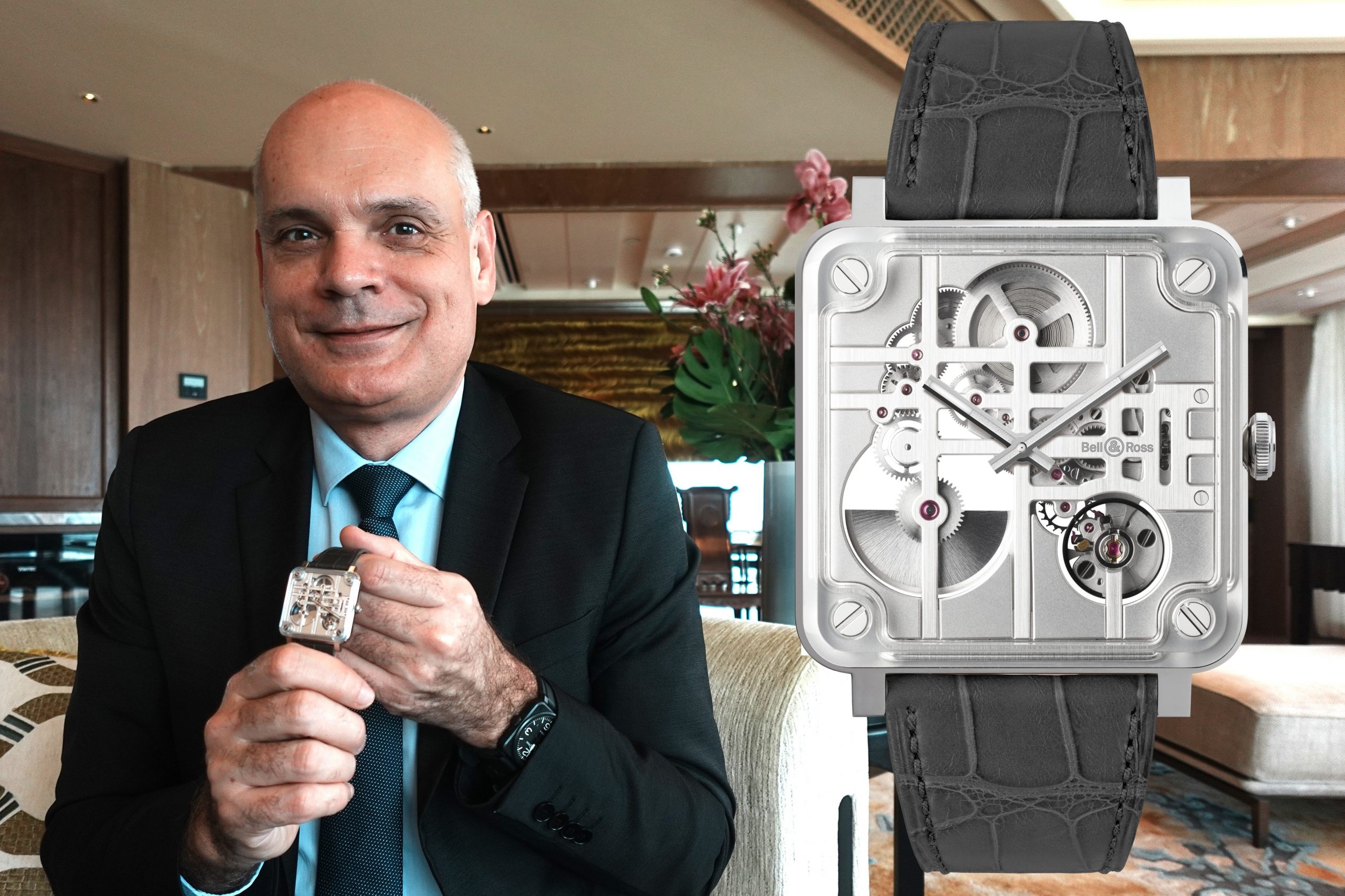
Bell & Ross MD Fabien de Nonancourt Introduces the BR-X3 Micro Rotor

The last time I had a drink with Bruno Belamich and Carlos Rosillo was in November 2022, high above Kuala Lumpur, in one of those ever-multiplying skyscrapers that puncture the Malaysian skyline.
The childhood friends were introducing the BR-X5, a pivotal watch for Bell & Ross. Developed in collaboration with Kenissi—Chanel owns stakes in both Bell & Ross and this esteemed movement maker—this milestone timepiece marked a significant technical leap for the brand, underpinned by the BR-CAL.323, a COSC-certified automatic movement. It was a clear departure from the ETA- and Sellita-based calibers that had long powered their watches, and a step towards something more proprietary, more assured.
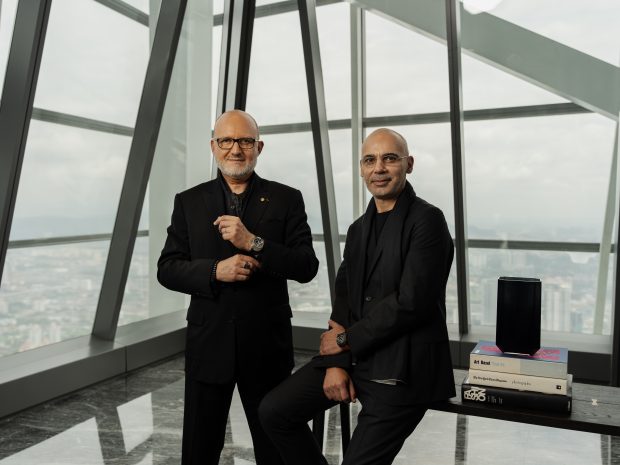
Belamich and Rosillo met at 16 at Lycée Carnot, a high school in Paris’s 17th arrondissement, and founded their eponymous brand in 1992. They have always complemented each other: one a designer with a singular visual language, the other a strategist with a keen sense for positioning. However, they rarely travel together now—time and the business tend to pull them in different directions.
That evening, though, there was a noticeable lightness about them. Just months earlier, they admitted, sleep had been elusive as the pandemic strained the business. Now, with the invaluable assistance of Kenissi, the mood had shifted and Covid-19 truly felt like it was behind them. Relief, certainly, but also a peace of mind that lets one plan for the future confidently.
Today, the brand unveiled a landmark timepiece with the help of an industry titan—Concepto—a complications specialist that has helped the likes of Jacob & Co. and Louis Moinet realize surreal, unprecedented complications.
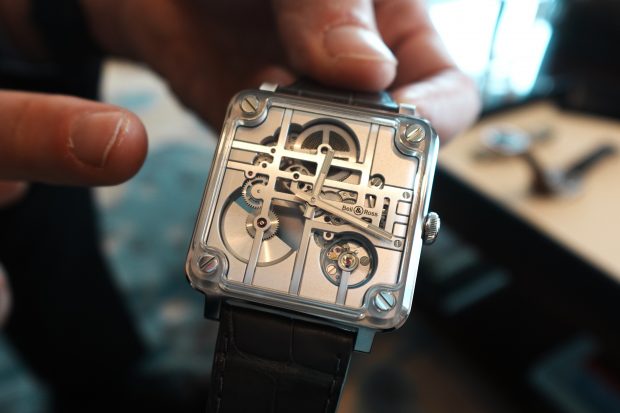
The Bell & Ross BR-X3 Micro Rotor
Representing Bruno Belamich and Carlos Rosillo was the brand’s managing director, Fabien de Nonancourt, who unveiled a novelty powered by a new movement.
A specialist in retail strategy and point-of-sale optimization, de Nonancourt has spent 16 years expanding Bell & Ross into new territories, establishing regional offices and strengthening its global footprint. Prior to this, the industry veteran spent 14 years at TAG Heuer, where he cut his teeth.
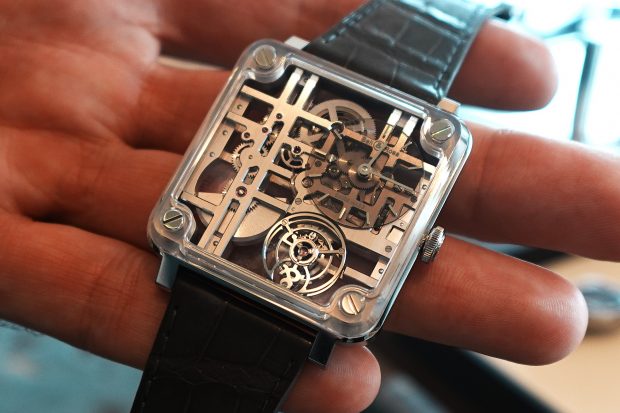
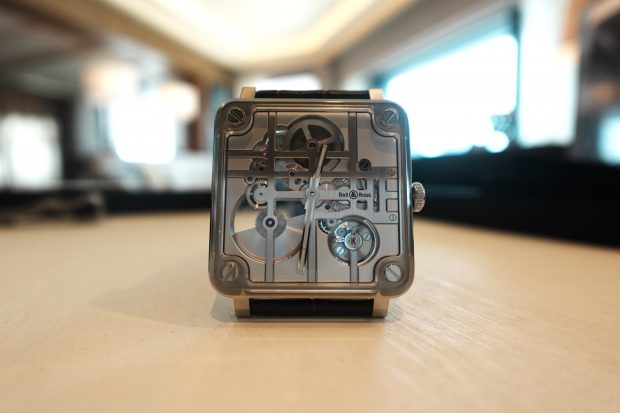
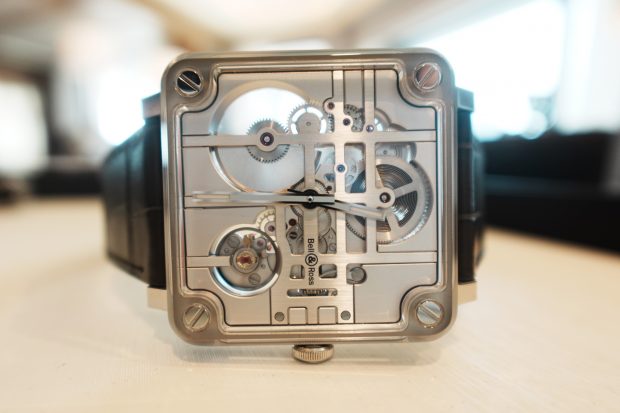
Derived from the BR-X3 Tourbillon Micro Rotor introduced in November 2025, the new 40mm BR-X3 Micro Rotor is powered by the BR-CAL.390, developed in collaboration with elite movement specialist Concepto.
Notably, the micro-rotor has been relocated to the dial side, leaving the display pared back to hours and minutes. While marketing materials suggest the balance wheel acts as a visual proxy for the seconds, in reality it oscillates far too quickly for the eye to track.
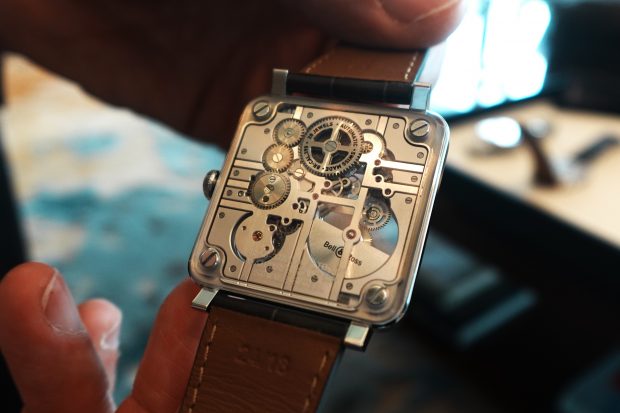
“With the help of Concepto, we were able to build upon the BR-CAL.323 developed with Kenissi,” he explains. “By moving the micro-rotor to the front, we reveal more of the movement—it’s the same principle we applied to the tourbillon model. We’ve also openworked the barrel to allow collectors to observe the hairspring as it releases energy.”
He notes, too, a subtle but significant shift in design language. Where previous Bell & Ross models expressed a circle within a square, the BR-X3 Micro Rotor charts a new course: a square movement housed within a sapphire case precisely contoured to its form.
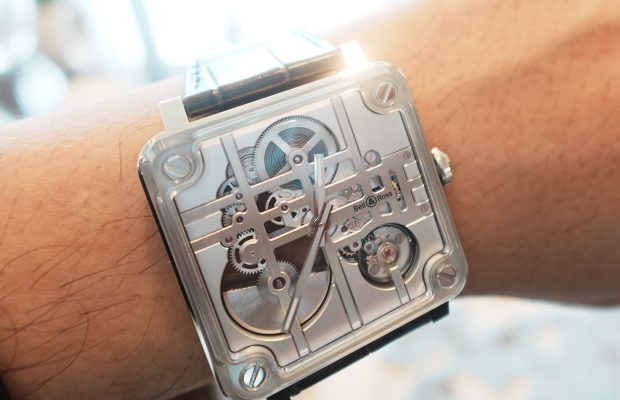
“Limited to 99 pieces, the BR-X3 Micro Rotor is partially skeletonized, while the BR-X3 Tourbillon Micro Rotor is more openworked. Dutch (Cubist) painter Piet Mondrian, and French architect and designer Charlotte Perriand were Bruno’s inspiration for this style of skeletonization.”
On closer inspection, further details underscore Bell & Ross’s intent to stake a firmer claim in high horology: its angular bridges are meticulously beveled, polished, and brushed, while the main plate is micro-blasted with exacting precision.

It is intriguing to see an increasing number of brands, including Bell & Ross, bypassing Watches and Wonders. Rather than competing for attention during a crowded week in Geneva, they are taking their spring novelties on the road, presenting them directly to media and collectors. De Nonancourt notes that this allows the brand to avoid being lost among hundreds of releases. It also raises a broader question: could this decentralisation reshape the traditional spring launch cycle?
Advertisement

Related Posts

Advertisement