SIGN UP

50 Years of the Patek Philippe Nautilus: Discover the Models That Defined this Legend

Few watches have reshaped modern horology quite like the Patek Philippe Nautilus. As it marks its 50th anniversary, the steel sports watch that once defied convention now stands as one of mechanical watchmaking’s most coveted icons.
In the 1970s as the quartz crisis looked to upend the Swiss watch industry, Patek Philippe and the inimitable Gérald Genta proposed a radical new expression of luxury—one rooted not in precious metal or ornamentation, but in design, versatility and attitude.
Priced higher than a gold watch, the Nautilus was neither gold nor round. Its bold, porthole-inspired case broke with tradition, while its 120-metre water resistance and robust steel construction meant it could move seamlessly from boardroom to golf course—and even underwater—without ceremony or concern.
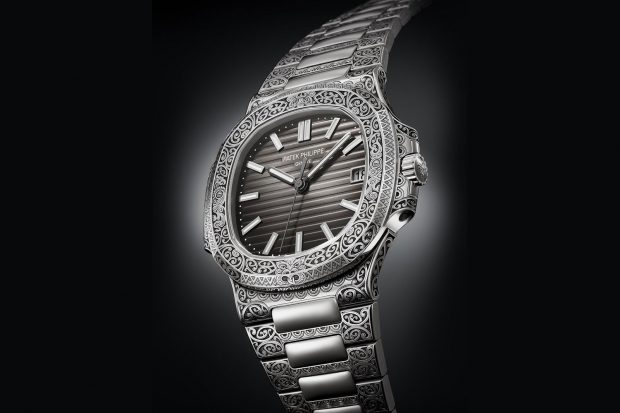
As its prestige grew, so too did demand, eventually reaching fever pitch. Two extraordinary results illustrate its cultural and financial ascent: the Tiffany & Co.–signed Ref. 5711/1A-018 achieved an astonishing USD 6.5 million in December 2021, while the hand-engraved “Children Action” Ref. 5711/1500A surpassed that figure in November 2024, realizing CHF 6.7 million.
As we wait with bated breath to see what Patek Philippe might unveil in celebration of the Nautilus’s golden jubilee, we look back at the pivotal references that shaped the collection—and redefined modern haute horlogerie.
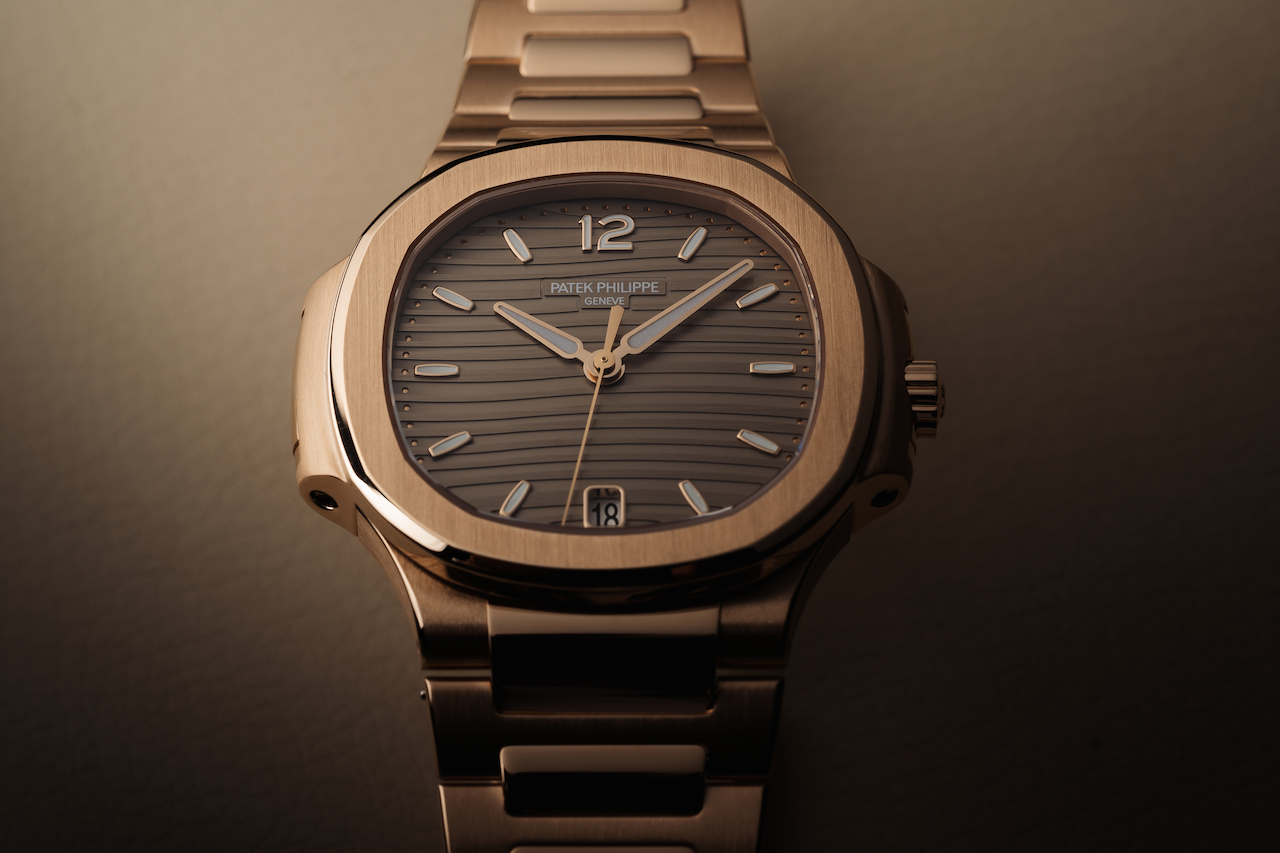
While the history of the Nautilus is spangled with a litany of unforgettable releases, I’ve tried to distil this list down to the rarest and most influential models. So, if you’re wondering why I’ve excluded fan favorites like the Ref. 7118 (header image), Ref. 5726 Annual Calendar with Moonphase, and the 40th Anniversary Ref. 5976, well, this article is long enough already.
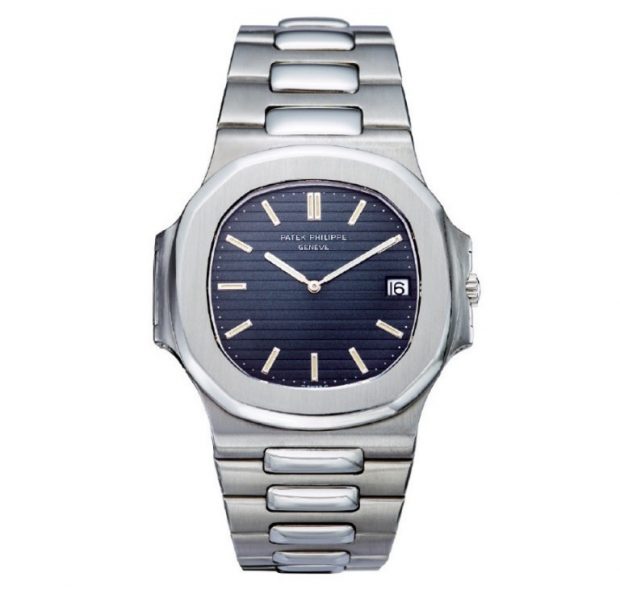
Ref. 3700 “Jumbo” (1976)
Fitted with the ultra-thin caliber 28-255 that Patek Philippe based on the tried-and-proven Jaeger-LeCoultre 920, the Ref. 3700 had horizontal ribs embossed by hand onto its deep blue dial. This very first Nautilus’s case was not only a ‘squircle’ like those of modern Nautiluses, but if you look closely, it’s also octagonal.
This 40mm timepiece boasted an impressive water resistance of 120m, thanks to a two-piece case that was tightly sealed gasket-style by screws in its “ears”. These ears would come to distinguish the Nautilus, and the two-piece construction too would play a pivotal role in the evolution of the Nautilus.
Just as the choice of steel pushed back against old concepts of luxury, the cork box that the Nautilus was presented in also ran counter to long-standing assumptions.
The Ref. 3700/1A produced from 1976 till 1982 had a wider version of the Genta-designed bracelet, while the bracelet of the Ref. 3700/11A, which ran from 1982 till the discontinuation of the Ref. 3700 in 1990, was slimmed and tapered.
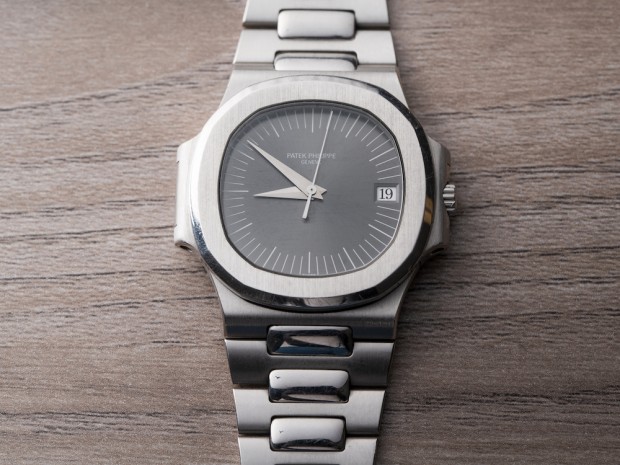
Ref. 3800 (1981)
Patek Philippe debuted a smaller 37mm version of the Ref. 3700 in 1981. Driven by the 335 SC movement, and then by the 330 SC, the Ref. 3800 was discontinued in 2006 to much consternation. Pictured above is a custom-order platinum variant of the Ref. 3800. Not only is this steel icon crafted in precious metal, but the dauphine hands and radial indices on its dial too are a stark departure from the manufacture’s design codes.
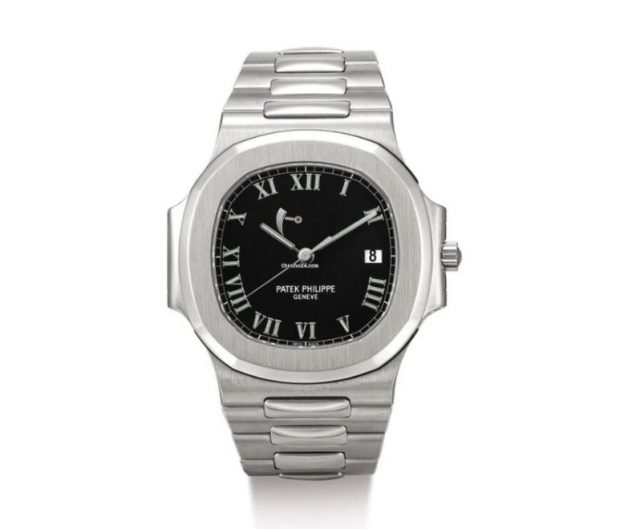
Ref. 3710 “Comet” (1998)
Many collectors consider the 40mm Ref. 3710 the start of modern Nautilus experimentation. Not only did it introduce a power reserve display to the dial—it also was the first Nautilus with Roman numerals. Why “Comet”? Because collectors likened the power reserve scale to a heavenly projectile striking the dial. Unfortunately, the Ref. 3710 was discontinued in 2006.
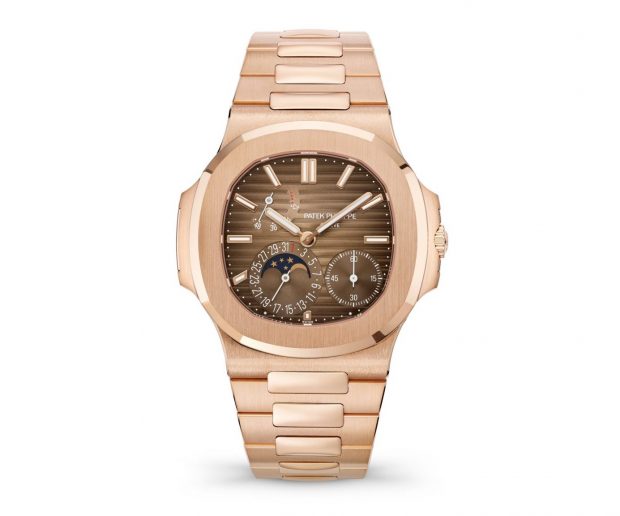
Ref. 3711 (2004), Ref. 3712 (2005) and Ref. 5712 (2006)
As the successor of the Ref. 3700, the 42mm Ref. 3711 (2004 – 2006) marked the time-and-date Nautilus’s transition from the two-piece to the three-piece case. While the steel 42mm (diameter including ‘ears’) Ref. 3712 (2005 – 2006) with moonphase and power reserve indications had a two-piece construction, the maison quickly replaced it with the 43mm Ref. 5712 three-part case. The Ref. 5712 was made in both steel and precious metals, but upon its discontinuation in 2025, Patek announced that it will rarely make steel timepieces in future. From 2006 to 2009, Patek Philippe also made a time-and-date Nautilus in 38.5mm case size called the Ref. 5800 “Mid-Size”.
Quick segue: Why the transition from two-piece to three-piece cases? The former has fewer potential points of water ingress than the latter, but as Patek Philippe’s water-proofing technology improved, the brand preferred the three-piece construction, as it makes chamfering, polishing and brushing components easier, and can allow for extra space if more complicated movements need it. Furthermore, if the bezel or caseback are damaged, they can be replaced without affecting the case middle.
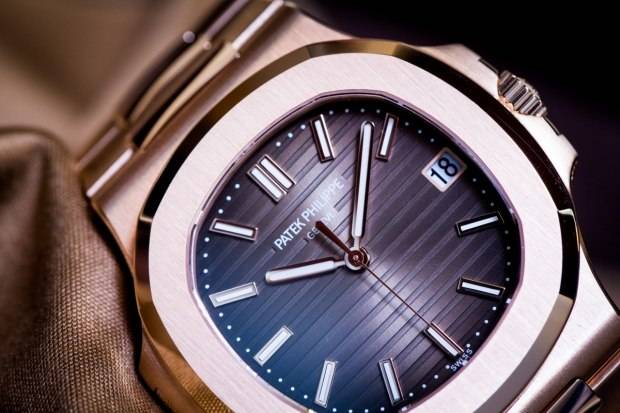
Ref. 5711 (2006)
Patek Philippe celebrated the 30th birthday of the Nautilus with a brighter blue dial, updated logo and enlarged ears. Sporting a slimmer bracelet with triple-folding clasp that replaced the double-folding clasp, the 40mm Ref. 5711 was first powered by the 315 SC, then later by the 324 SC.
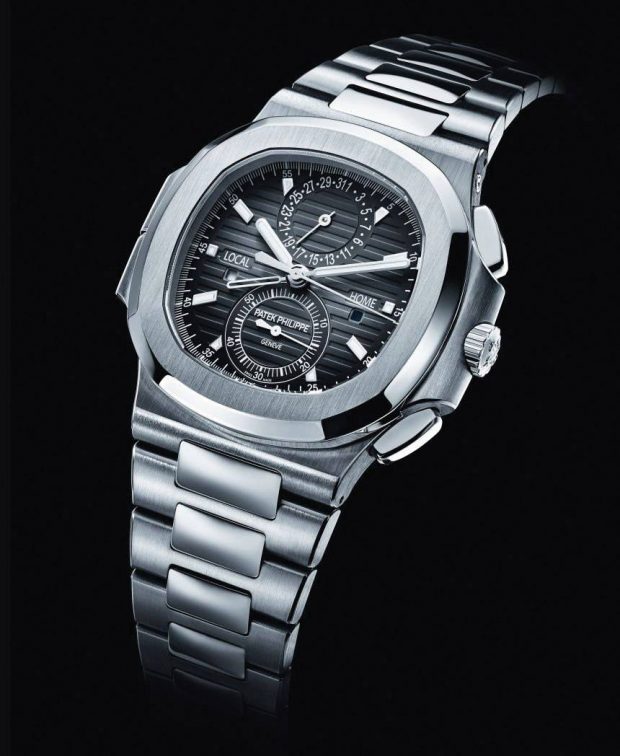
Ref. 5980 Flyback Chronograph (2006) and Ref. 5990 Travel Time Chronograph (2014)
The manufacture’s first in-house chronograph had a subdial at the 6 o’clock position with a 60-minute track and 12-hour track. If you can’t get your hands on the Ref. 5980, consider the Ref. 5990, which was released in 2014 and based on the Ref. 5980, but engineered to meet the exacting standards of the Patek Philippe Seal—the maison switched from the Geneva Seal to its own stricter seal in 2009, and refined all its timepieces to meet these loftier standards. The Ref. 5990 had pushers closer to the crown, only a minute track on its 6 o’clock subdial, a date subdial at 12 o’clock, an additional skeletonized ‘home’ hour hand, and little apertures that indicate if it is day or night in the home and current countries. Impressively, both references are 40.5mm in diameter and slightly over 12mm in thickness.
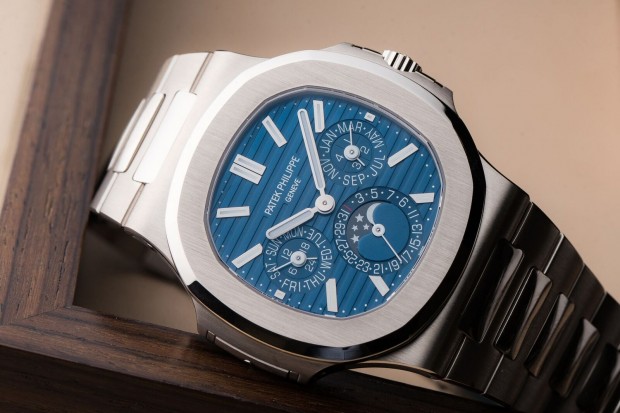
Ref. 5740 Perpetual Calendar (2018)
The manufacture’s first perpetual calendar was only 8.42mm thick, because it was fitted with the ultra-thin calibre 240. First made in white gold then in other precious metals, the 40mm Ref. 5740 ingeniously allowed the easy reading and setting of its six calendar displays through discreet, recessed correctors.
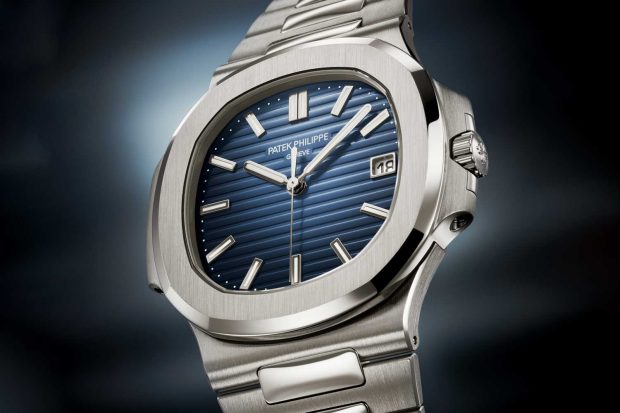
Ref. 5811 (2022)
For the first time in 16 years, the Ref. 5811 reintroduced a two-part case construction to the Nautilus line—a deliberate nod to the original Patek Philippe Nautilus Ref. 3700. Measuring 41mm across (slightly larger than the outgoing 5711), the 5811 is crafted entirely in white gold, signalling a shift away from the steel era that culminated with the discontinuation of the 5711 in 2021.
Advertisement

Related Posts
Advertisement